Why Is Britain Censoring Classic Novels?
And what come be done to stop this cultural vandalism?
Few images evoke tyranny quite so well as the sight of books burning. From Nazi Germany to Communist China during the Cultural Revolution, it’s well etched into our collective consciousness that book-burning is a special kind of evil —a declaration of war against truth and art, and the most obvious example of censorship.
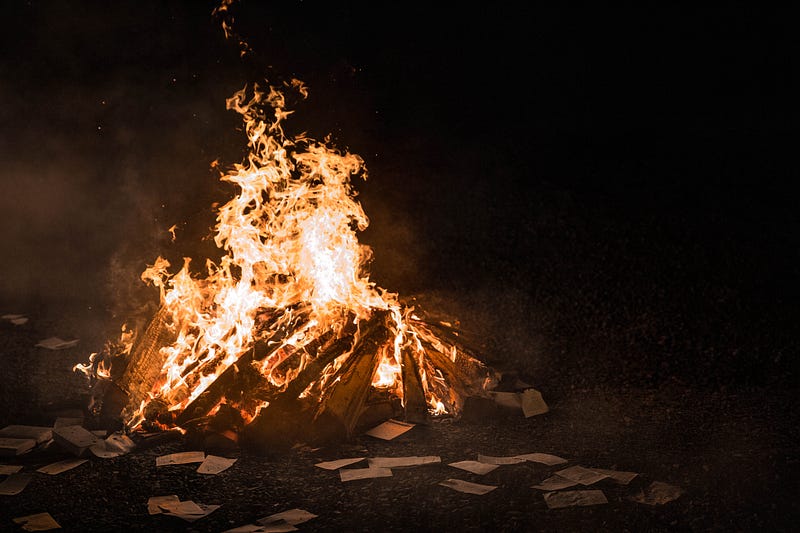
Governments still burn books. The US military has burned plenty of Bibles in Afghanistan (fascinating story, incidentally) since 2009, and local officials in China were burning unapproved books as recently as 2019.
But I think we should also be concerned about a softer, smarter, and less top-down form of book censorship: trying to make old authors sound nicer than they really were. It has recently emerged as a real problem in the British cultural landscape, and led to a scandal over the books that got me into reading: the books of Roald Dahl.
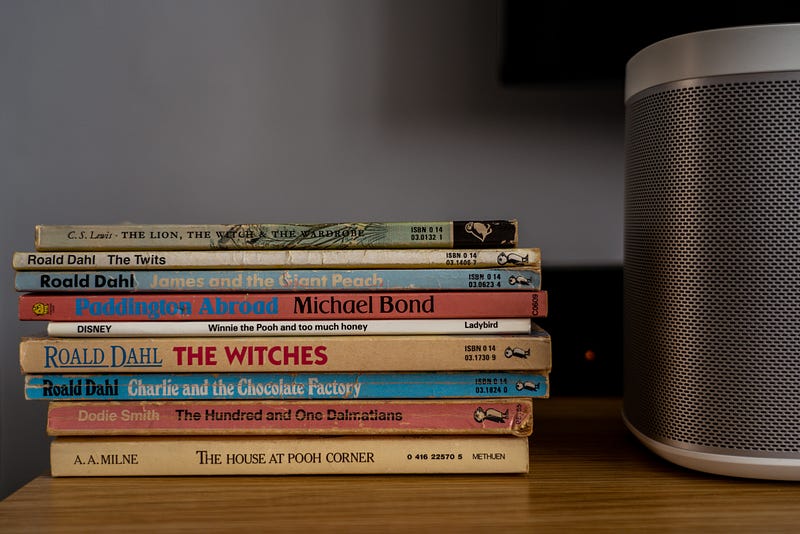
Dahl was a giant of children’s literature. Most British children will have read one or several of his quirky stories, and even more people from around the world will be familiar with film adaptations of his works, such as Charlie and the Chocolate Factory or Matilda. His books were the first ones I read outside of school, so I’m emotionally involved in this topic.
Dahl’s books are vivid and funny, weaving together fantastical situations, wordplay, sympathetic protagonists, dark and offbeat humour, and useless or cruel adults. They’ve sold over 300 million copies worldwide, and in 2021, the purchase of parts of his estate by Netflix for over $500 million earned him the number 1 position on the Forbes list of highest-earning dead celebrities.
Dahl took very little seriously, but he was absolutely insistent that his work remained untouched after his death, expressing a wish that not a single comma be altered. Unfortunately, Puffin Books, the publisher of his works, decided against respecting his wishes.
In 2020, they hired a team of “sensitivity readers” to spend 3 years coming through his work, looking for potentially offensive or undated sections to censor. In 2023, many of these planned changes were made public, and they were staggering for many horrifying reasons.
For a start, there were hundreds of them; they represented a very substantial modification of the originals, entirely changing the tone of Dahl’s works, and generally erring on the side of cutting out detail and generally dumbing down the texts. Here’s a summary (as brief as possible) of some of the many types of changes.
Replacing words that have changed meaning: I personally wouldn’t have changed a word in Dahl’s body of work, but these changes are amongst the least problematic. For example
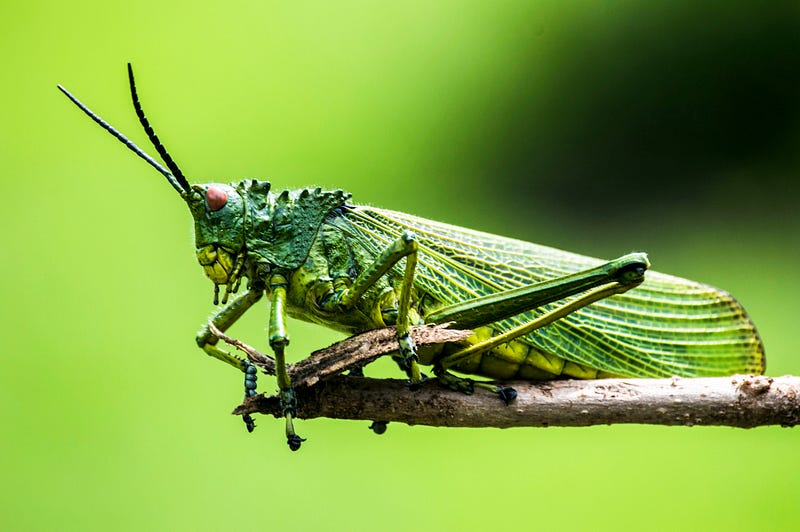
James was promptly flung across the room into the Old-Green-Grasshopper’s horny lap.
The word “horny” was removed, to avoid a sexual double meaning that probably wasn’t intended by Dahl. If these changes had been made in isolation, I suspect they would have been mostly received with amusement and acceptance.
Scrapping any words that seem mean: Puffin went to great lengths to cleanse Dahl’s books of any reference to unpleasant personal traits. The word “fat”, for example, was obliterated, as were most descriptions of physical traits that might be interpreted as negative. For example
The tall skinny Bean and dwarfish pot-bellied Bunce were driving their machines like maniacs
becomes
Bean and Bunce were driving their machines with wild abandon
The problem with this should be obvious: in the interest of a very narrow definition of political correctness, the censors have wiped away much of Dahl’s vivid description and scene setting. Kids are being given less to imagine, and being exposed to inferior literature, with an obvious impact on their intellectual development.
You may also have noticed “maniacs” getting purged in that example. Many similar edits have been made. “Something crazy is going to happen now, Charlie thought” becomes “Something bizarre is going to happen now, Charlie thought.”
Bizarre is not a synonym for crazy; it lacks the implication of frenzied excitement that is key here. Yet it was seen as necessary to avoid using a harmless and extremely common word that kids use everyday anyway.
But the most frustrating example of this cleansing, I think, is this:
‘He’s dotty!’ they cried.
‘He’s balmy!’
‘He’s batty!’
‘He’s nutty!’
‘He’s screwy!’
‘He’s wacky!’ cried the Roly-Poly Bird. ‘Poor old Muggles has gone off his wump at last!’
This has been changed to
‘He’s dotty!’ they cried.
‘He’s wacky!’ cried the Roly-Poly Bird.
Most of the section has just been dropped without replacement, leaving behind an opportunity to introduce future generations of kids to some of British English’s rich and varied vocabulary — words that were extremely mild and that we shouldn’t let disappear from our cultural landscape.
In fact, nearly any reference to “disabilities” (loosely interpreted) has been removed, no matter how tenuous or inoffensive. For example, “old” has been removed from the line “She was glad no one except her faithful old Mary was here”, as if old age was a shameful, taboo trait.

Similarly, references to characters being of low social status (like the poor or orphans) have been removed. Here’s one example:
‘What a clever fellow you are,’ the Queen said. ‘You are not very well educated but you are really nobody’s fool, I can see that.
becomes
‘What a clever fellow you are,’ the Queen said.
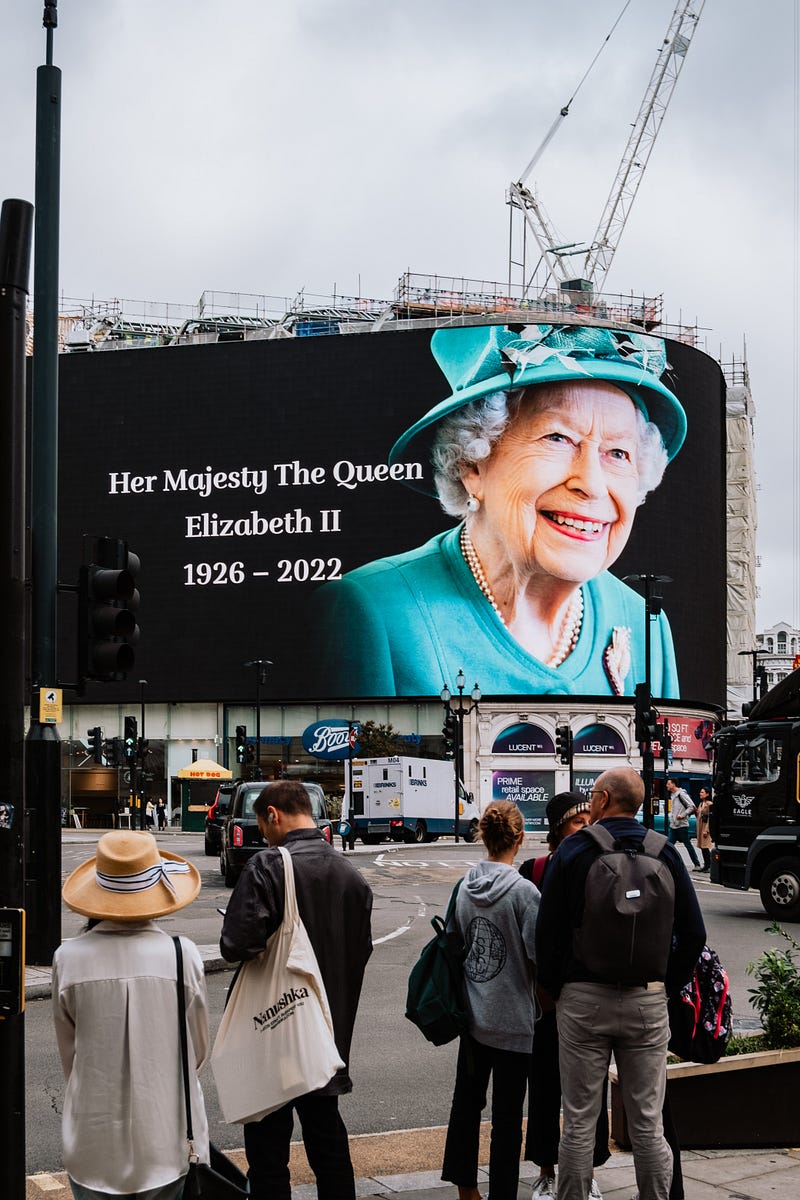
In a misguided attempt at niceness, the revision loses the very much intentional point of the original: your access to formal education doesn’t determine your value or capabilities. To people like my dad who had to leave school at 14, that line gave pride and reassurance. Its removal genuinely disgusts me.
Removing serious or adult themes: Dahl, who was often described as a man who never lost his inner child, thought very highly of the young. That respect made him happy to reference alcohol, death, weapons, being imprisoned, and violence in a way that was acceptable in 1960s England, but is apparently taboo now.
“He was mischievous. A grown-up being mischievous. He addresses you, a child, as somebody who knows about the world. He was a grown-up — and he was bigger than most — who is on your side. That must have something to do with it.”
Quentin Blake.
One particularly egregious example is the removal of references to corporal punishment. Roald Dahl was an outspoken critic of corporal punishment; the vicious caning of a school-friend of his unsettled him enough that he later admitted to questioning his faith in God. He does not glamorise it in his work.
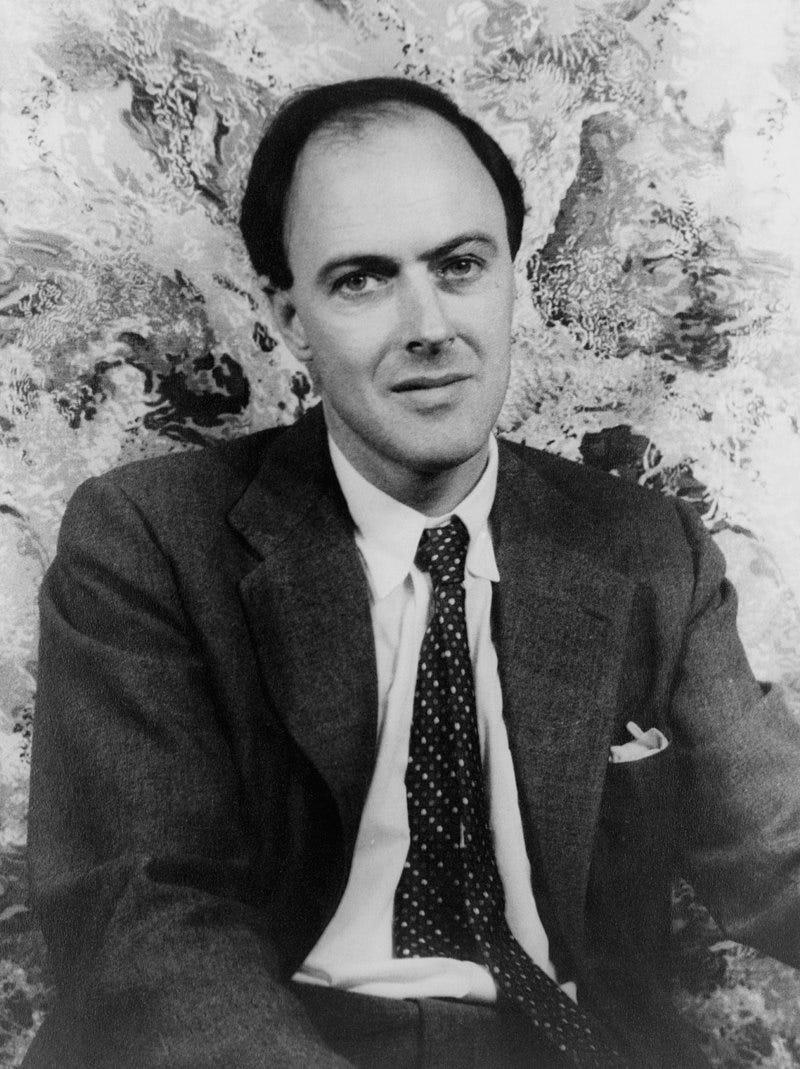
Removing his mentions of it feels particularly insulting to his memory, a denial of the experiences that inspired his work.
Clumsy attempts at cultural sensitivity: Dahl lived a fascinating life as an ace fighter pilot, spy, and diplomat. He visited or lived in countries like Tanzania, Kenya and Egypt. At one point, he did advanced flight training in Iraq, near Baghdad, and learned some local history.

This is relevant because one of Dahl’s stories includes a character called the Sultan of Baghdad. To me, the title “Sultan” is not offensive. It’s a culturally appropriate way of referring to leaders in the Arabic world, and is still in use in Brunei and Oman. Historically, it was indeed used for rulers in Baghdad.
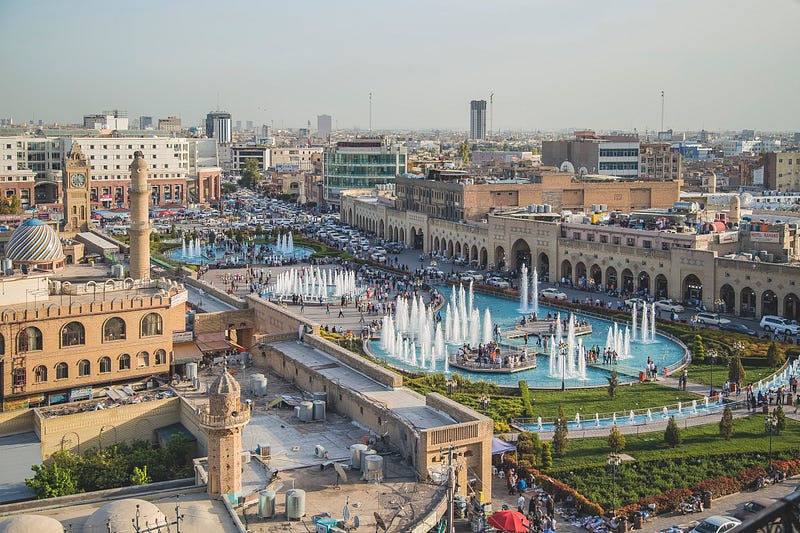
Yet the sensitivity readers felt like “Sultan” needed to be replaced by “Mayor”, even though the Queen of England gets to remain a monarch in the same story.
Similarly, this passage:
‘Only my uncle, Caliph Haroun al Rashid,’ the Sultan said. ‘He disappeared from his bed three nights ago together with his wife and ten children.’
is replaced with
‘Only my uncle,’ the Mayor said. ‘He disappeared from his bed three nights ago together with his wife and children.’
Caliph Haroun al-Rashid was a very real historical figure, revered as the man who ushered in the Golden Age of Islam and turned Baghdad into the world’s leading centre of literature and science. I’m lost as to why anyone would find the mere inclusion of his names or these titles offensive.
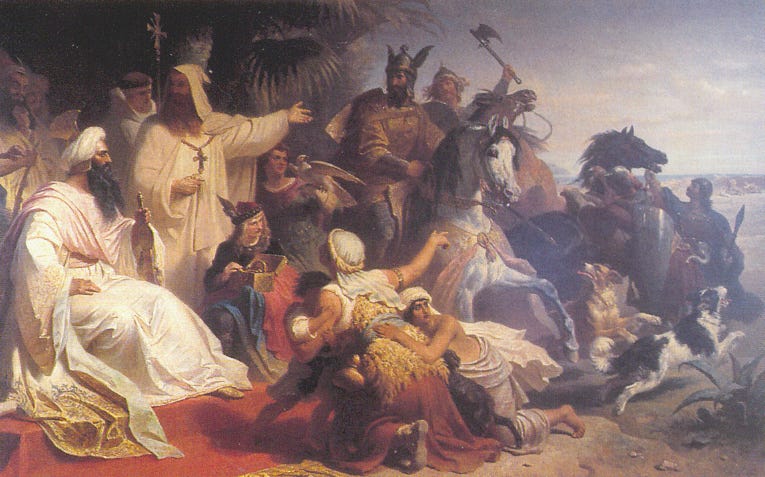
I suspect what happened is that the censors lazily assumed any reference to Arabs or Muslims was somehow offensive, and didn’t waste time questioning if there actually was anything objectionable. Better safe than sorry, eh?
That’s deeply problematic for two reasons.
Firstly, it reveals an attitude that erasing cultural differences is easier than actually depicting them respectfully, which is an appalling lesson to teach kids in modern multicultural Britain.
Secondly, the decision shows utter contempt for the man whose work they’re editing. Nobody seemed to like Dahl enough to give him the benefit of the doubt and do 30 seconds of research.
Getting rid of innocent descriptions: And I mean innocent. Nearly any reference to colours has been removed. For instance,
The flashing black eyes were fixed on Sophie’s bed. The next moment, a huge hand with pale fingers came snaking in through the window.
The changes? “Black eyes” become simply “eyes” and “pale fingers” become “fingers”. Elsewhere, “his face white with horror” becomes his “face agog with horror”. A woman who had “pale brown teeth” now has “rotting teeth”. A chap who looked “red in the face” now looks “hot under the collar.”
I think the public would have been much more tolerant of these changes to Dahl’s work if they had actually been about replacing outdated or offensive text.
In the absence of content that is actually offensive, however, Puffin has busied itself with the eradication of any imagination or description whatsoever, as if kids will grow up to be better citizens if they’re never told that some people’s cheeks flush when they’re experiencing emotions.
I’ve talked plenty about Roald Dahl, and he has been at the heart of this controversy, but he’s certainly not alone. Dahl worked with Ian Fleming during World War II and later wrote the screenplay for movies of two Ian Fleming books (You Only Live Twice and Chitty Chitty Bang Bang). It’s fitting but sad, then, that Fleming has also become a victim of this cultural vandalism.
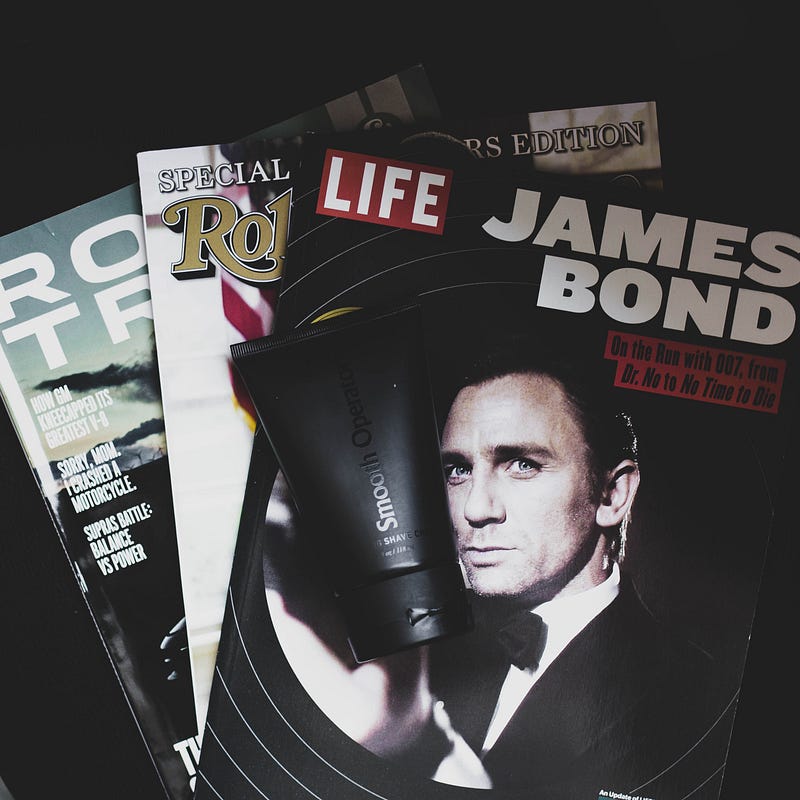
It’s especially silly in Fleming’s case because the novels which are being censored, the James Bond books, are written for adults and are about a cold-blooded assassin whose misogyny and xenophobia are integral parts of his character.
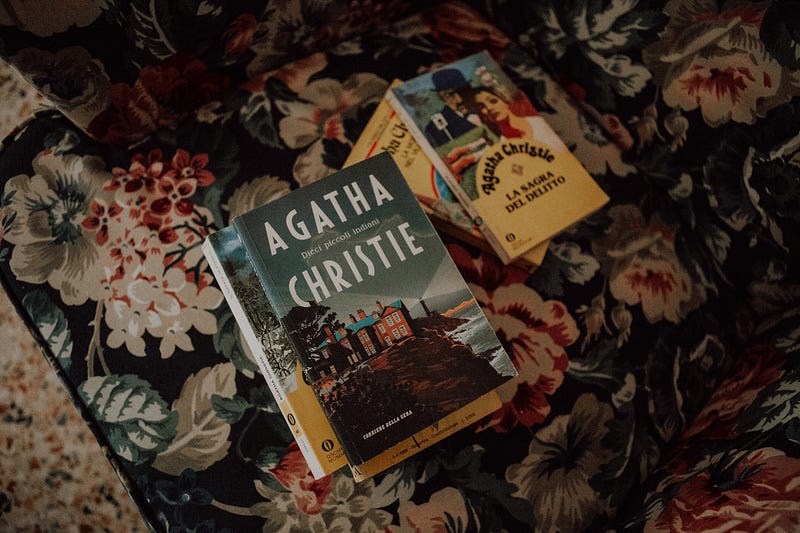
Agatha Christie has also received this treatment. The author famous for Murder on the Orient Express has had the word “oriental” scoured from her work.
That these changes have all been made in quick succession suggests that there’s an element of cynical “outrage marketing” in these edits. And these are private businesses making commercial decisions; there’s no government censorship here. So shouldn’t we just leave them to it and let the free market decide which versions get published? There will (probably) always be originals in some library anyway, right?
To begin with, I simply don’t accept that publishers or the descendants of these artists have the creative or moral rights to change their work so profoundly, always without their approval and sometimes against their express wishes. I imagine some of these authors would be deeply disappointed in their descendants.
But there’s a deeper point here, which is that this “cancel-proofing” threatens to open the floodgates to a much more restrictive media landscape. This sort of behaviour has not been common in the past. We don’t censor The Great Gatsby or The Catcher in the Rye; we acknowledge that they were written at a different time, and that every work of art is essentially a product of its time.
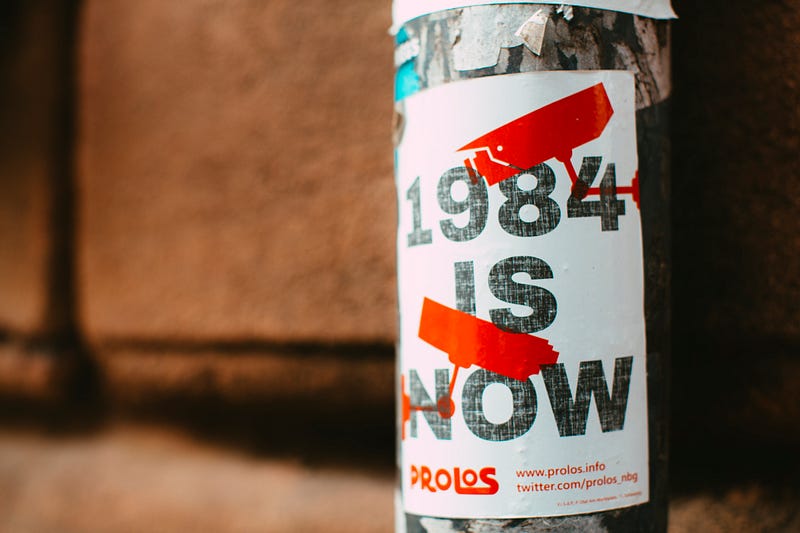
There is plenty of offensive material in George Orwell’s dystopian classic Nineteen Eighty-Four (1984) too. Perhaps the shameful behaviour of these publishers would receive more attention if they had tried censoring the novel that invented the concepts of Big Brother and the Thought Police.
The Looney Tunes cartoon series has long had a more sensible approach to content moderation: they don’t. Instead, they write this before their cartoons
“The cartoons you are about to see are products of their time. They may depict some of the ethnic and racial prejudices that were commonplace in American society.
These depictions were wrong then and are wrong today.
While the following does not represent the Warner Bros. view of today’s society, these cartoons are being presented as they were originally created, because to do otherwise would be the same as claiming these prejudices never existed.”
In about 10 seconds, Warner Bros. have outdone 3 years of Puffin’s work. No reasonable person could demand more.
Part of the reason why we don’t censor Dracula or Romeo and Juliet is that they’re in the public domain, so no publisher has the power to do so.
In future, perhaps we need legislation that would ensure that an author’s work immediately enters the public domain if substantial and unauthorised changes are made to their work. It’s clear that the current intellectual property system is doing nothing to serve the best interests of deceased authors.
For now, we can only rely on the decency of publishers. The people in charge of distributing Dahl’s work in France, the Netherlands, and the US have all chosen not to interfere with his legacy. It’s a pity that in Britain, the country of his birth, corporate greed and misplaced political correctness appears to be greater than the love for his work.