
Why is Bitcoin so Popular in Japan?
Japan has paved the way to becoming the powerhouse of the cryptoworld. While other countries like Venezuala and China have outright banned exchanges that are used to buy and sell digital currency, Japan has taken the more lenient approach by regulating them and even declaring Bitcoin legal tender. It might surprise you that Bitcoin’s rapid spread throughout Japan is largely due to one individual who likes to refer to himself as Bitcoin Johnny Appleseed. Mark Karpeles gave away thousands of Bitcoins while he was living in Japan. This was his way of planting Bitcoin seeds throughout the country. The value of the currency was growing at an unbelievable rate. In January 2013, Bitcoin was trading at $13 a coin, exactly one year later it was trading at almost $1,100. At this point, the value of the approximately 10,000 Bitcoins that Mark handed out would be 10 million dollars. At Bitcoin’s peak price (around $20,000) the value would have been close to 200 million.
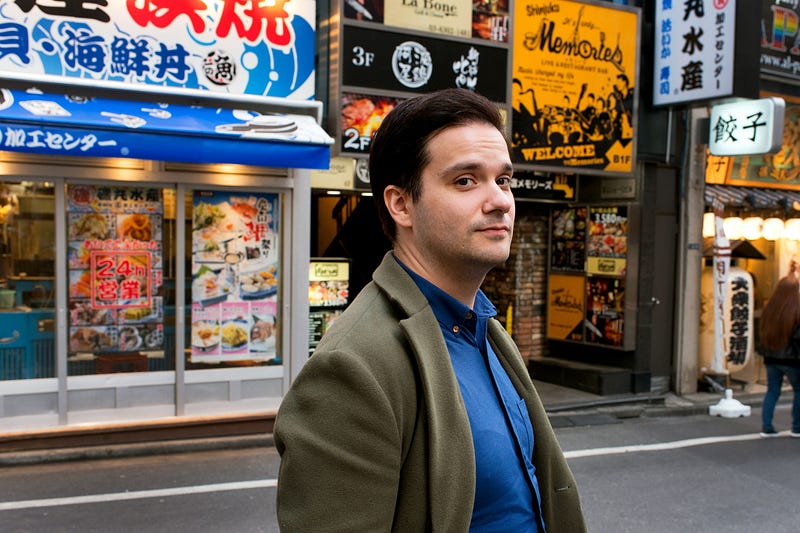
While Mark was living in Japan he bought a little company known as Mt. Gox from an American named Jed McCaleb. Jed wanted to build a platform that would allow people to trade Magic: The Gathering Online cards like you would buy and sell stocks online. Mt. Gox is short for Magic: The Gathering Online eXchange. After bringing the company to Japan, Mt. Gox was processing over 70% of all Bitcoin transactions worldwide by 2013 and into 2014. In February 2014, Mt. Gox shutdown its website and filed for bankruptcy protection. Approximately 850,000 bitcoins were missing or stolen and to this day most customers have not been refunded. Fortunately, relief looks like it’s in sight for those who’ve waited to see their money refunded.
Japan learned a lot from this lesson and subsequent hacks on exchanges. They decided that they wanted to be the bitcoin beacon to the world so they started regulating the exchanges. One law that was recently passed enforces a “maximum cap on percentage of user funds that can stay in hot exchange wallets. Anything over the threshold of 20% would need to automatically and autonomously move to cold storage for security purposes.” They also made it illegal for the exchanges to trade ‘privacy coins’ which are much more difficult to track and are largely used for money laundering and other illegal activity. These are all rational reactions to how cryptocurrency should be regulated and we will most likely see other countries follow Japan’s lead on making digital currency more mainstream.
Please follow and like us:
Originally published at theyellowbitroad.com on February 23, 2019.