
Why Is Africa Being Neglected?
Do we care how they are living?
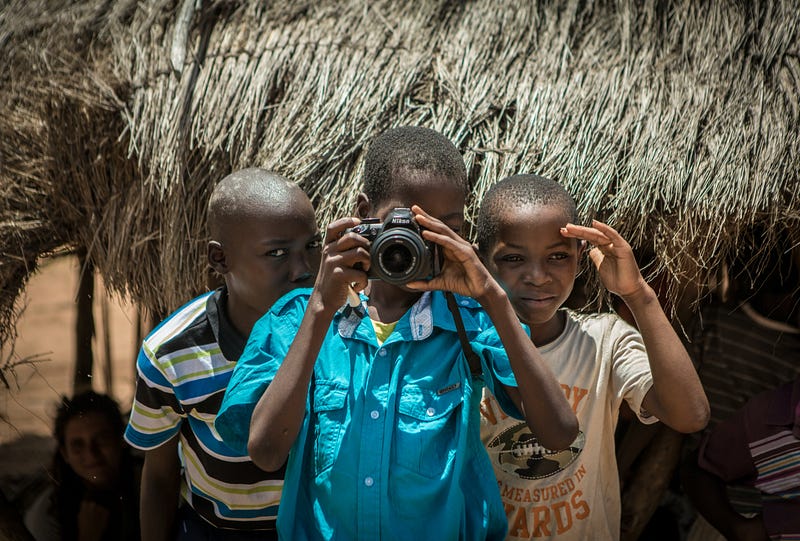
Africa’s perception of neglect is rooted in a complex web of historical economic and global factors that have shaped the continent’s trajectory. Historically many African nations experienced colonization a legacy that left them economically exploited and politically marginalized.
The consequences of this colonial past continue to impact Africa’s development today. Unequal power dynamics established during that era persist contributing to the perception of neglect on the global stage.
Economic challenges play a significant role in the narrative of neglect. Widespread poverty and underdevelopment hinder the capacity of African nations to address pressing issues from healthcare to education. Moreover, some countries on the continent face substantial debts limiting their ability to invest in crucial social services and infrastructure. Economic challenges exacerbate the sense of neglect as African nations struggle to achieve sustainable development.
Global priorities and geopolitical dynamics also contribute to the perception of neglect. The global political focus often centers on more immediate and high-profile issues such as conflicts in the Middle East or economic developments in major global players.
Media coverage can reinforce stereotypes by disproportionately highlighting negative aspects of Africa such as conflicts and crises rather than showcasing its diverse cultures and positive developments. Additionally, limited political influence on the global stage can result in African nations having less say in shaping international policies and agendas.
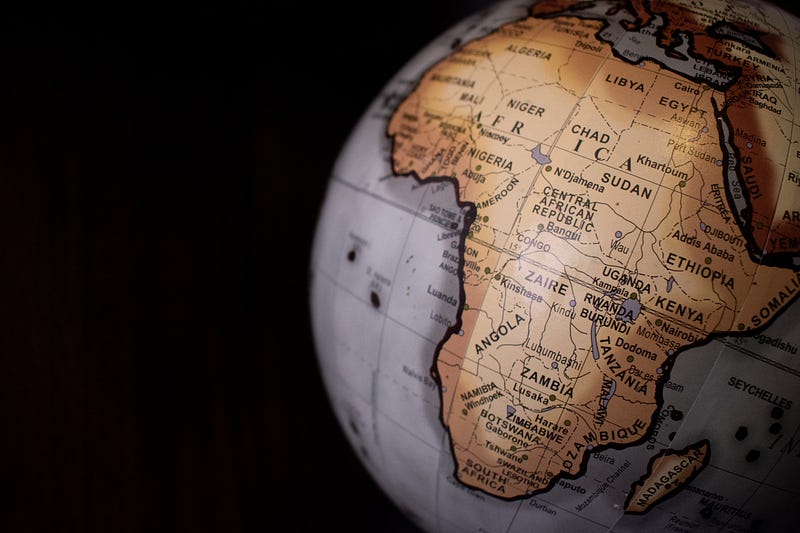
Cultural biases and stereotypes further contribute to the perception of neglect. Common misconceptions about Africa as a homogeneous entity facing only challenges rather than a continent with diverse cultures and potential perpetuate a skewed narrative. This misrepresentation affects global perceptions policies and initiatives addressing Africa’s needs.
Infrastructure challenges add another layer to the complex issue of neglect. There needs to be more infrastructure in many African countries to ensure economic growth and aid efforts to address social issues effectively. The need for more reliable transportation energy and communication systems poses significant obstacles to development.
But keep in mind that efforts are being made to address these challenges. Various organizations governments and initiatives are working towards sustainable development in Africa.
International cooperation fair trade practices and addressing historical injustices are crucial to creating a more equitable and inclusive global landscape. By actively working to overcome these challenges there is potential for positive change in Africa fostering a future where the continent is not perceived as neglected but as a vibrant and thriving part of the global community.
I am Amna Fayyaz. Follow me and subscribe. Visit my referral link it will help me a lot