avatarRubaiyat Rahman

Free AI web copilot to create summaries, insights and extended knowledge, download it at here

1223

Abstract

urce=medium&utm_medium=referral">嘲 风</a> on <a href="https://unsplash.com?utm_source=medium&amp;utm_medium=referral">Unsplash</a></figcaption></figure><p id="6b32"><a href="https://www.ndtv.com/india-news/indian-navy-sent-warship-to-south-china-sea-after-ladakh-clash-report-2287648">At the same time, other naval assets of the Indian navy</a> have been deployed around the sea lines of communications of the Malacca Strait and the Andaman Sea. It is pertinent to mention here that Chinese navy regularly uses that sea route to enter into the blue water of the Indian Ocean.</p><figure id="7fdf"><img src="https://cdn-images-1.readmedium.com/v2/resize:fit:800/0*lJUfbowCyD18Keix"><figcaption>Photo by <a href="https://unsplash.com/@chuttersnap?utm_source=medium&amp;utm_medium=referral">chuttersnap</a> on <a href="https://unsplash.com?utm_source=medium&amp;utm_medium=referral">Unsplash</a></figcaption></figure><p id="f387">China’s objection to the audacious presence of Indian naval asset in the South China Sea is not something new. In fact, for years, China has been signaling its objection. From China’s perspective, such presence of a foreign navy is a challenge to China’s claim of the South China Sea as part of

Options

its ‘nine dash line’ territory. <a href="https://www.globaltimes.cn/content/1199461.shtml">China views such move of India towards the South China Sea as an act to serve as an accomplice to the Indo-Pacific strategy of the United States.</a></p><p id="8395">However, China itself has been bolstering its incremental presence, defying concern of the QUAD countries, in the same ocean space by constructing artificial islands and military installations.</p><figure id="b0e7"><img src="https://cdn-images-1.readmedium.com/v2/resize:fit:800/0*ld_4p3OjcSkeWbqy.png"><figcaption>Photo Credit: BBC World News</figcaption></figure><p id="b339">No doubt, India’s such strategic leap towards the South China Sea will bolster the US policy of the free and open Indo-Pacific. However, it is also vital to keep in consideration that the Indo-Pacific strategic concept conceives a vast battlefield! Neither any act of deploying a navy ship nor carrying out surveillance in a hush-hush manner can tilt China’s dominant posture in the South China Sea. India should remain cautious regarding maritime strategic decision making, so that its contemporary bold initiatives would not later appear as a tepid Indian reaction.</p></article></body>

Why India is Deploying Naval Asset in the South China Sea?

India is hardening strategic standing in Post-Galwan Geopolitical Theater
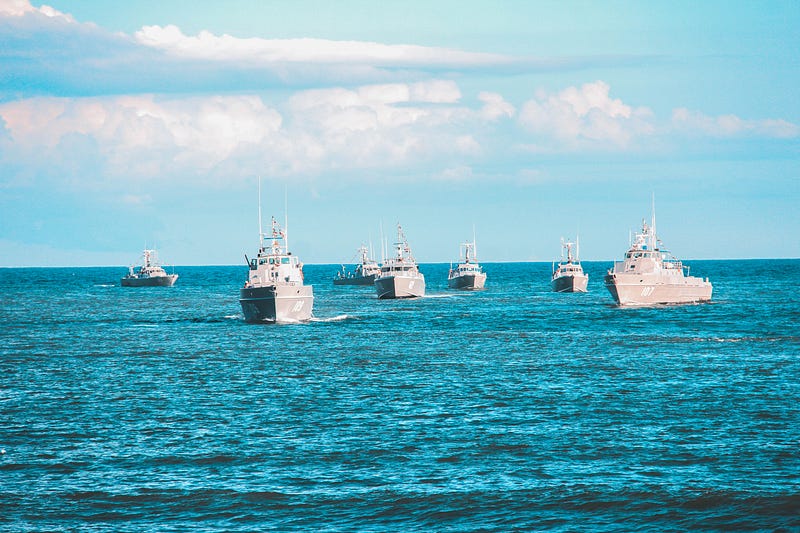
Photo by Asael Peña on Unsplash

In response to the Galwan incident on June 15, the first fatal skirmish between India and China in five decades, India has deployed a front line navy ship to the South China Sea which is regarded as one of the most disputed ocean space.

This latest incident of the Indian Navy has surfaced amid land border escalation between China and India.

Photo by 嘲 风 on Unsplash

At the same time, other naval assets of the Indian navy have been deployed around the sea lines of communications of the Malacca Strait and the Andaman Sea. It is pertinent to mention here that Chinese navy regularly uses that sea route to enter into the blue water of the Indian Ocean.
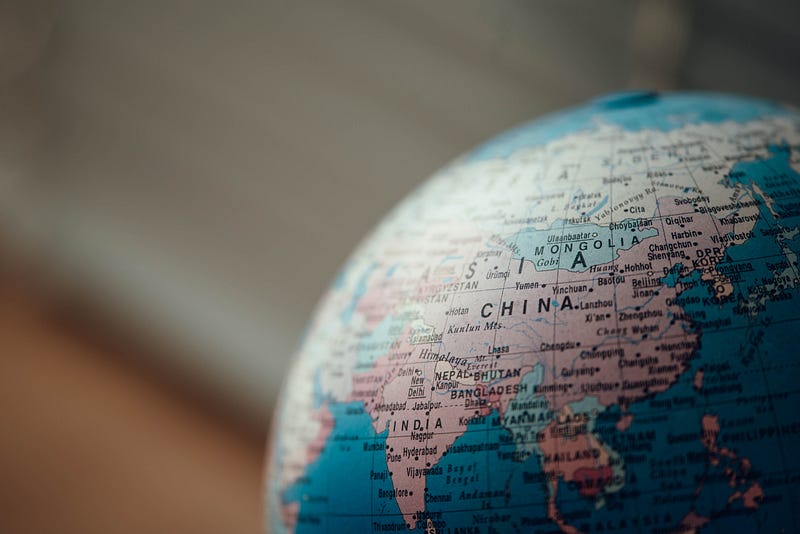
Photo by chuttersnap on Unsplash

China’s objection to the audacious presence of Indian naval asset in the South China Sea is not something new. In fact, for years, China has been signaling its objection. From China’s perspective, such presence of a foreign navy is a challenge to China’s claim of the South China Sea as part of its ‘nine dash line’ territory. China views such move of India towards the South China Sea as an act to serve as an accomplice to the Indo-Pacific strategy of the United States.

However, China itself has been bolstering its incremental presence, defying concern of the QUAD countries, in the same ocean space by constructing artificial islands and military installations.
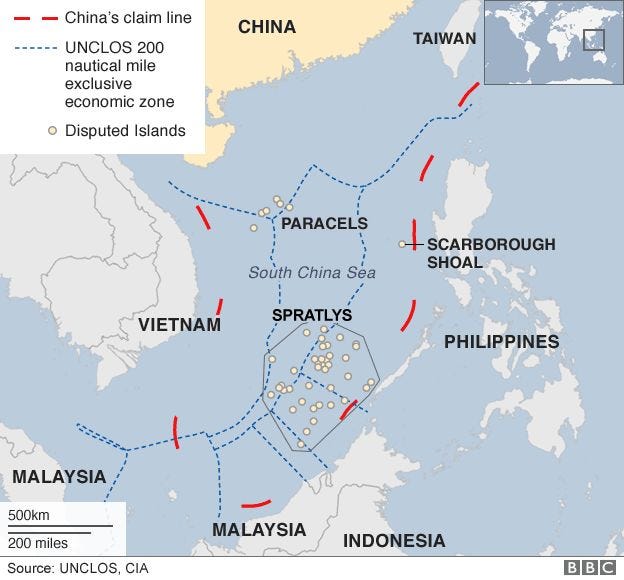
Photo Credit: BBC World News

No doubt, India’s such strategic leap towards the South China Sea will bolster the US policy of the free and open Indo-Pacific. However, it is also vital to keep in consideration that the Indo-Pacific strategic concept conceives a vast battlefield! Neither any act of deploying a navy ship nor carrying out surveillance in a hush-hush manner can tilt China’s dominant posture in the South China Sea. India should remain cautious regarding maritime strategic decision making, so that its contemporary bold initiatives would not later appear as a tepid Indian reaction.

South China Sea
China
International Relations
Politics
Indo Pacific
Recommended from ReadMedium