
Why I’d build my startup outside the Valley
America may be losing its precious tech monopoly
The next Uber won’t be built in Silicon Valley.
It’d most likely be built by some dynamic duo or terrific trio in a non-racist, diverse, stable and scandal-free city like Vancouver, Canada. Silicon Valley seems to have lost its edge.
Northern California is undoubtedly the capital of modern-day technology. Here, visionary founders meet world-class engineers and an abundance of venture capitalist funding. The resulting explosive mixture has built some of the largest empires ever, connecting billions across the globe, and raking in enormous revenues. Its success has also given the United States endless economic and scientific influence, making it into the global superpower it is today.
And, more than that, it has become a symbol of pop culture. Everyone (myself included) wants to build the Next Big Thing in Silicon Valley. This is arguably why so many talented and passionate people flock to the Valley en masse, creating a whirlpool that further increases the hype.
But, for about a year now, the number of new startups in the Valley has declined steadily, and more workers relocating, while those founded in other tech-friendly locations like Berlin and Toronto have increased. Personally, after doing my research, I’d rather build my startup HQ in Canada, and most of my friends feel the same.
And the facts agree with us.
According to The Economist, 46% of residents in 2018 planned on leaving the Bay Area, including tech employees. Curbed says 40% of young tech workers are relocating, due to the outrageous costs of living. Many startup founders cannot afford to rent adequate office space, much less pay their employees who live in the area. It’s been dubbed a “Tech Exodus” by Hacker News, CNBC, and Bloomberg.
What did America do to get to this? Is it Trump, Cambridge Analytica, or the fact that it’s just too damn expensive in the Valley? I believe the trend is caused by all of these, and more.
1. Trump
America’s, how do I put it, eccentric president, doesn’t seem to have lots of good PR. Because of this, (not to mention that he’s as capricious as the weather), startup founders are wary of places under his influence, the Valley included. Though this problem might be going away in November, the administration’s effects will be felt much longer than that.
Most unpopular of all his radical policies is the H1-B visa restrictions. Immigrant workers are the driving force of Silicon Valley, supplying cheap, highly-skilled labor. The recent change in visa policy means that fewer immigrant engineers get to the valley, meaning the cost of labor rises. This means that new, unfunded companies have a harder time finding skilled employees. Capital requirements rise, and fewer startups are born. I’ve not even said anything about the cutthroat competition, that kills many startups in their embryonic phase.
The Valley really isn’t a good place for startups right now.
Though the difference in labor costs compared to other cities may not be much, to a startup, every penny counts. Which means fewer pennies go to America.
2. Outrageous costs of living
Like many popular urban areas, the Valley has some of the highest costs of living in the United States. According to Curbed.com, the cost of living in Silicon Valley is approximately $2,500 monthly. That’s more than half of the monthly salary of an average American.
While tech companies are famously generous with their employees, they can only do so much. After being hit by the pandemic, and with so many out of a job, the rent alone may drive all the good engineers and entrepreneurs out of the Valley. Workers can’t live in the office, right?
As the area becomes more desirable, this will only get worse. Savvy startup founders won’t build HQs in the Valley anymore, opting for cheaper cities like Detroit, Delaware, or even outside the USA entirely.
3. Cambridge Analytica, and other Valley scandals
How do I put this gently? No self-respecting startup wants to be HQ’ed beside Theranos’ old office space. Aside from it being too expensive, it’s wise not to tempt fate, not to speak of PR.
Silicon Valley lore is rife with scandal after scandal, my favourite being Cambridge Analytica. In March 2018, it was reported that the London-based company harvested fifty million Facebook profiles, in the largest data leak in Facebook’s history. And the backlash hasn’t stopped ever since. Users of new products have become even more skeptical and privacy-wary, since the established technologies have disappointed them.
If I was a founder, I’d want to avoid places with bad press, like the Valley. Or more likely, I’d leave the first chance I got. Apple’s proposed Texas facility seems to show that they agree with me, and would rather love a presence away from all the competition — and bad PR.
And then there’s the fact that other cities are doing great
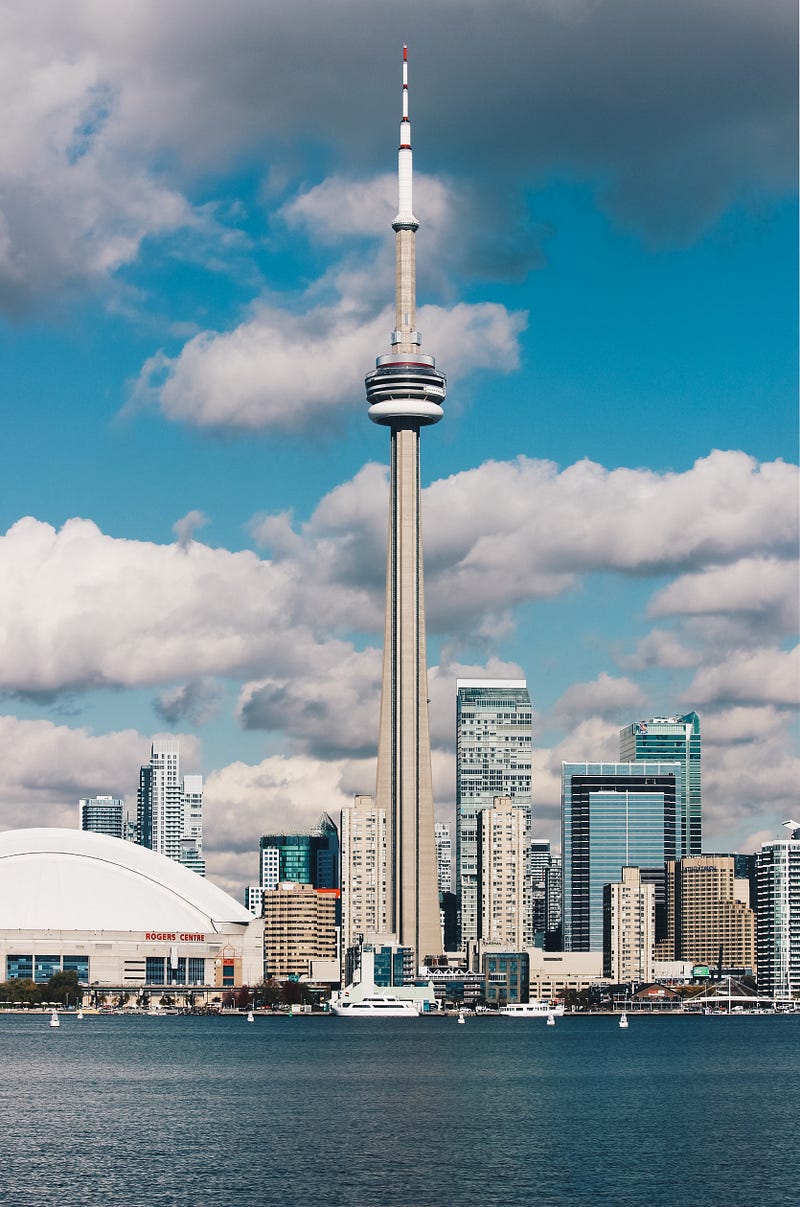
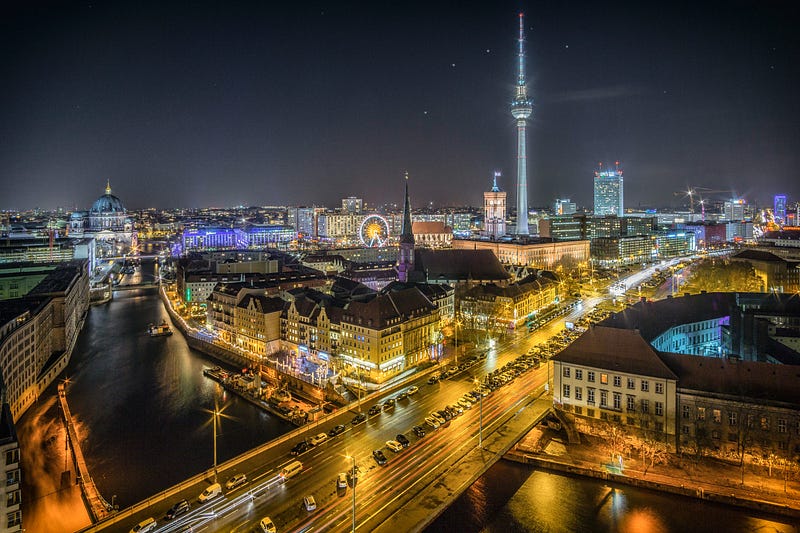
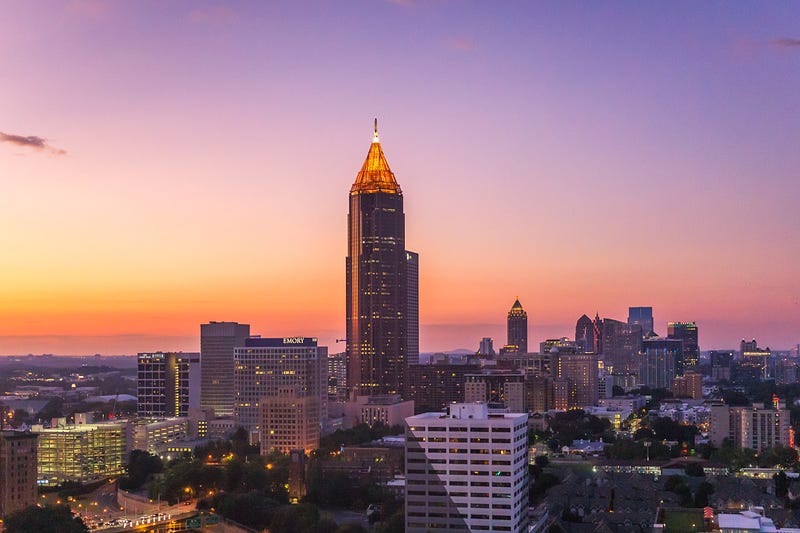
I think the pandemic has served to even the playing field. With most urban areas around the world facing the same set of challenges, they’d get the same chance to recover from it. Before the pandemic, cities like Atlanta, Austin, Vancouver, Berlin, London, Tokyo and Toronto were catching up to the Valley. Now, they’d be tied.
Many successful startups are already HQ’ed in some of them, like DeepMind was in London, and SoundCloud in Berlin. Newer ones will no doubt spring up when the world gets back on its feet. Silicon Valley was used to being tech’s wonderland, but myriad other cities are rising up to challenge that.
And let’s face it — wouldn’t you love a better view?
But even if other cities weren’t available, the new normal of remote work could change everything.
Let’s be imaginative for a moment. Imagine a team of hyper-skilled professionals, all connected to the same entity via high-speed Internet connections, working from home. A startup may not actually need to have an HQ anymore, and could exist online. This could actually happen, and may be happening as you read this.
But in the meantime, startups are building home bases outside the Valley, and more foreign (i.e European) startups are thriving than ever before. America’s position on top of the tech world has never been so precarious.
I write about business, startups, politics, and interesting things in general. Take a look: