
Why I stopped watching Pakistan vs India cricket matches
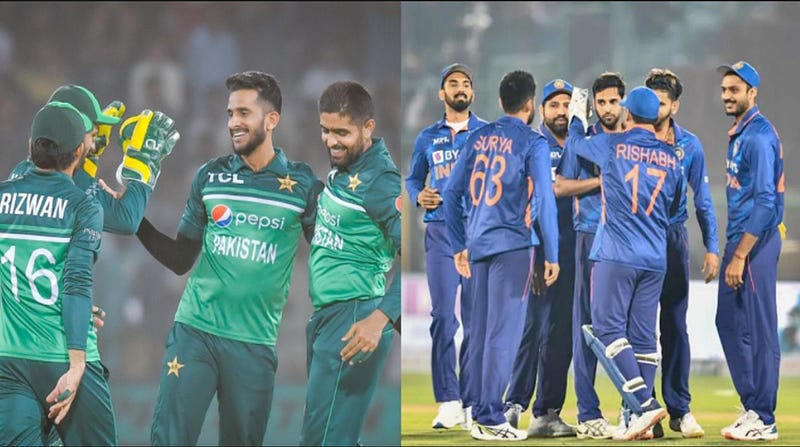
The Pakistan vs India Cricket Rivalry is intense. It dates back to the Partition of the Indian Subcontinent by the British in 1947. Nation-states of Pakistan and India emerged on the map. Pakistan was subdivided into West Pakistan and East Pakistan (now Bangladesh). The first cricket match played by the two countries was in 1952. It was a Test match, a format of cricket that lasts for five days. India got the first victory.
Pakistan and India have played 58 Tests, 136 One-Day Internationals and 10 Twenty20-Internationals. Pakistan leads with the most wins in Tests and ODIs while India leads in the T20I format. India has always beaten Pakistan in World Cup matches. India also had a winning streak in T20 World Cups until 2021 when Pakistan beat India in a T20 World Cup match.
Pakistan vs India matches are memorable. They include Javed Miandad hitting a last-ball six to win the match against Pakistan. India beating Pakistan in the final of the inaugural 2007 T20 World Cup. However, with the never-improving diplomatic relations between the two countries, the rise of electronic and social media, Pakistan vs India matches have become toxic, at least for me to the point I’ve stopped watching them.
The first time I got exposed to Pakistan vs India Cricket Rivalry was in 2003 when India toured Pakistan for a five-match ODI and three Tests. The first match was held in Karachi which India won. I remember the roads leading to Karachi’s National Stadium were closed for security reasons. I even saw a scoreboard on a roadside where a traffic constable was writing scores through radio for drivers to read. The visiting country won the ODI series 3–2 and Test series 2–1.
Pakistan toured India in 2005. The two countries played three Tests. The first match was drawn, India won the second, Pakistan won the third. It followed a six-match ODI series which Pakistan won 4–2. It was memorable for Pakistan because India won the first two matches. In 2006, India toured Pakistan again for a three-match Test series. The first two matches were drawn, Pakistan won the third. Five ODI matches were played. India won 4–1. The last match was held in Karachi which India won.
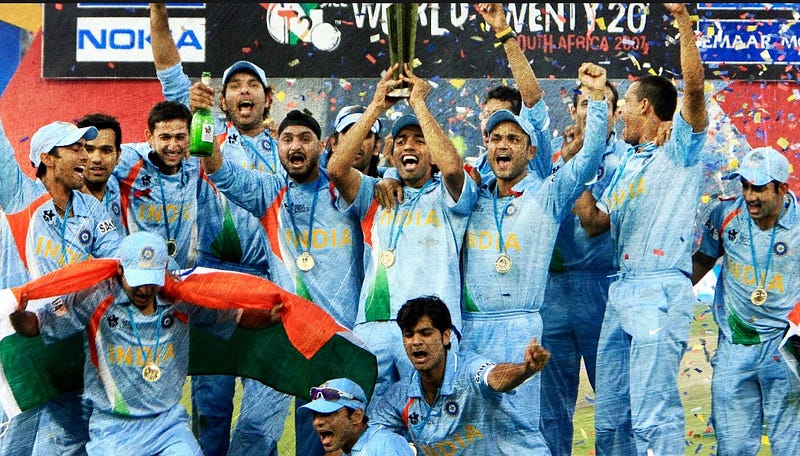
The 2007 T20 World Cup was held in South Africa. Pakistan and India were in the group stages. India won the first match through a bowl-out because the match was tied. The final was between Pakistan and India. As mentioned above, India won this match too. It was also famous for Pakistani batsman Misbah-ul-Haq’s paddle-scoop which landed in the hands of an Indian fielder and handed victory to India. It again followed with a five-match ODI series in India which the host country won 3–2 and a three-match Test series. India won one while the rest were drawn.
I was getting a hang of this exposure. Sure, winning and losing are part of the game. Coincidentally, a lot of matches were played between Pakistan and India in the 2000s. Since I was a kid during these years, it gave me the opportunity to learn and grow and get to know cricket. However, since I was taught in school that India was enemy no. 1, I was also developing a habit of taking these matches way too seriously.
Rivalries happen in every field of sport for political or social reasons. Real Madrid vs Barcelona are one famous example in football (soccer). New York Yankees and Boston Red Sox are in baseball. Australia vs England are another example in cricket, more particularly in Test Cricket where it is called ‘The Ashes.’ So it makes it natural for Pakistan vs India cricket matches to be intense. However, with the rise of electronic media and social media in the two countries, not to mention diplomatic relations are not improving, things are turning for the worse.
Electronic media runs on sensationalism. Pakistani and Indian TV channels hype Pakistan vs India matches to the point a viewer feels antagonistic towards the opposing team. Social media has allowed fans from both countries to unleash their worse personalities through comments and memes. This back-and-forth cursing, teasing, even cyber-bullying has created a very negative atmosphere. With the rise of the Bharatiya Janata Party in India, toxicity is going to new extremes.
I would have to say, because Pakistan and India toured regularly in the 2000s and diplomatic relations between the two countries were slightly improving, with no social media, Pakistan vs India matches were easy to watch in my opinion. Now, it is intense to the point people break their television sets or celebrate for days. People even get arrested for celebrating for the opposing teams. Pakistani and Indian TV channels exchange barbs. India released a ‘Mauka Mauka’ song in the advent of the 2015 Cricket World Cup clash between the two countries. Mauka means chance, and the song basically taunted Pakistan for never winning a World Cup against India. The reaction of Pakistanis was intense to the point when the country beat India in a T20 World Cup match in 2021, Pakistani fans in Dubai taunted Indian fans with that song while making videos.
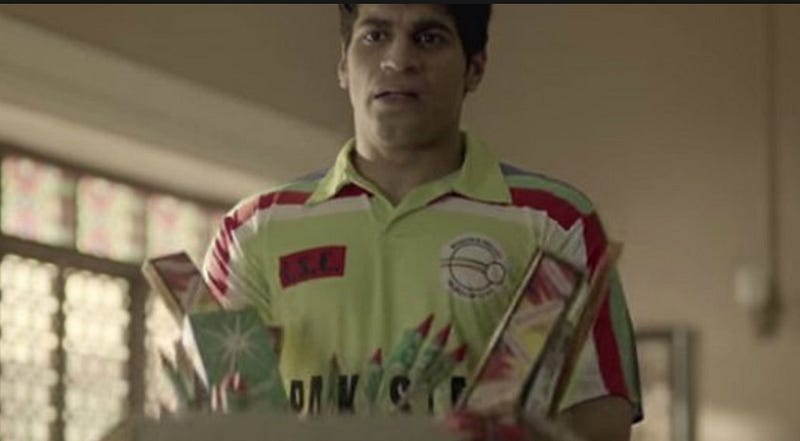
The last Pakistan vs India match I watched, and the last cricket match I watched on television was the 2017 Champions Trophy Final. The two countries already faced off in the Group Stages which India won. Pakistan managed to win the final. The most recent clash between Pakistan and India was in this year’s Asia Cup. India managed to win this match. As usual, I didn’t paid any attention to what was happening. I didn’t open social media, neither checked the scoreboard on Google. Since I didn’t heard anything on WhatsApp, I deduced Pakistan lost. It still kind-of hurts when Pakistan loses but I’ve managed to let go. Winning and losing are part of the game. If Pakistan vs India matches are giving me pain because of socio-political reasons, I shouldn’t pay attention to them in the first place.