
Why I Started a Youtube Channel on Top of Writing Content
The future of content creators lies in diversification
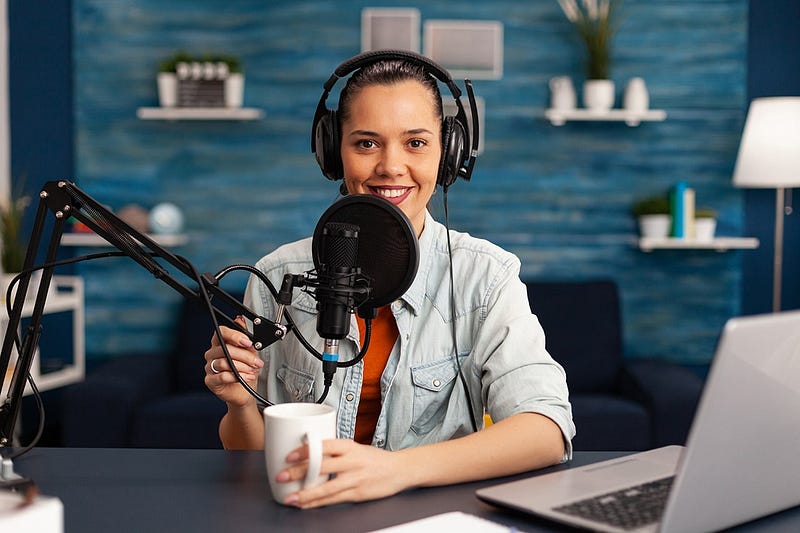
Almost exactly a month ago, I published my first Youtube video. I did it after years of postponing, after shooting and editing videos that had been ready to go live for over a year. I couldn’t bring myself to do it because I was afraid of commitment, the reaction of the people who knew me, and a ton of other excuses.
The thing is, I had the exact same journey with writing. I’ve written content my whole life but only started posting articles 3 years ago. Before that, I had tons of content ready to go live on my laptop but never dared to publish anything. I’ve now published over 250 articles online, have accumulated over 1 million views, and made more money than I ever thought possible writing. My only regret is that I didn’t start earlier.
Making a living off posting content online is a long-term game. Some creators don’t see results for months, or years. 90% of people give up before they start getting results because putting out content regularly and at a fast pace (which is often necessary for the algorithm to notice you) is exhausting. But almost all creators who keep pushing and coming up with new stuff “make it” at some point. This doesn’t mean they all become millionaire Youtubers, it means that eventually, their work pays off one way or the other, and they’re able to at least make a decent income from it.
A cycle I’ve seen many times
I’ve witnessed this with many people I follow online, whether here on Medium or on Youtube. I read people’s articles for months and then one day realize that they stopped posting. I start following Youtube channels that make great content, only to see them stop after a few months.
But what about the people who pushed through? Well, I follow some of these guys too. They climbed to new heights and now live off their passion. Guys like Colin and Samir, who almost had to shut down their business, stop everything and go back to “a normal life”, with a 9–5 job and no passion project in sight. Or Matt D’Avella, who before going viral with his video A Day in the Life of a Minimalist considered quitting Youtube for good.
Now that I’m embarking on a Youtube journey of my own, I’d be lying if I said I’m sure I’ll push through. You can never be sure, it’s more about showing up day after day. Whether I keep going or not will depend a lot on the results I get from it. That’s why I’m going to approach this experiment with the same technique I used to build my blog: The 6-Month Rule.
The 6-Month Rule
Back when I started writing online, I told myself I would give this thing a serious try for at least 6 months, and see where it would take me. For 6 months, I would show up every day and consider it as a job, without expecting anything in return: no money, no views, no followers…
After 6 months, I had already made my first few dollars online, and I had gotten some great feedback from people who started following my work. I decided that I liked writing and was going to keep at it for a little longer. 3 years later, I’m still at it. All along my journey, I have interviewed 75 productivity experts on what it takes to succeed and the secrets to great achievements. I even identified the one thing they all have in common, and I wrote about it here (spoiler alert: they all started and never stopped).
Again, I intend to have the exact same approach with Youtube: 1 video a week for 6 months, then take a step back and see where I’m at on my timeline. This is also why I shot some of the videos in advance because it’s really time-consuming to shoot, edit and publish 1 video per week, especially with a 9–5 job on the side. That’s 24 videos to start with.
82% of online traffic will be video-based by 2022
It’s already happening, and the best time to start was always yesterday. Youtube as a platform for creators has been saturated for years. Not only that, the rate at which it is becoming saturated seems to be exponential. Especially with the pandemic, even more content creators have seen a spike in traffic and gone viral as a result, becoming big players on the platform.
Back in 2016, there were only 2,000 channels that had over one million subscribers. Since then, four Youtube channels hit 1 million subscribers every day. But only 0.28% of all channels have at least 100K subscribers. Video traffic is growing exponentially, and just like I waited too long to start writing online, I’ve waited wait too long to start making videos.
Income diversification is key
As a small business owner, it’s important to not put all your eggs in one basket. Having different revenue streams is one of the core principles of becoming financially independent. Here are my 3 main revenue streams at the moment:
- Medium articles
- Skillshare courses
- Josephmavericks.com digital products
The Skillshare revenue stream is already video-based, but the platform doesn’t work the same as Youtube and is not as viral. Adding an extra revenue stream on a more popular platform will solidify my business as a whole.
Conversion/reach
I have seen great engagement and reach while writing articles on Medium. People subscribe to my email newsletter thanks to the CTA link I’m allowed to include at the end of each article, which allows me to build another audience segment via email. But when it comes to conversion rate, it hasn’t been that great.
Pure email marketing is hard, and it is a saturated medium too. People don’t read newsletters or click links in emails anymore, making it very challenging to develop a sustainable business.
Youtube has a higher conversion and engagement rate overall because people relate more to creators when they can see them on camera. I’m not talking about the conversion rate from impressions, views, or clicks. I’m talking about how much people are willing to trust a creator with his independent content (courses, physical, digital products…).
Follow your gut
At the end of the day, I’m starting a Youtube channel because I love making videos, and I want to reach more people with my content. Whether this means I’ll fail and stop in 6 months or not doesn’t matter for now, what matters is the plan, the content pipeline, and showing up day after day.
I already have my videos scheduled, now all that matters is the execution:
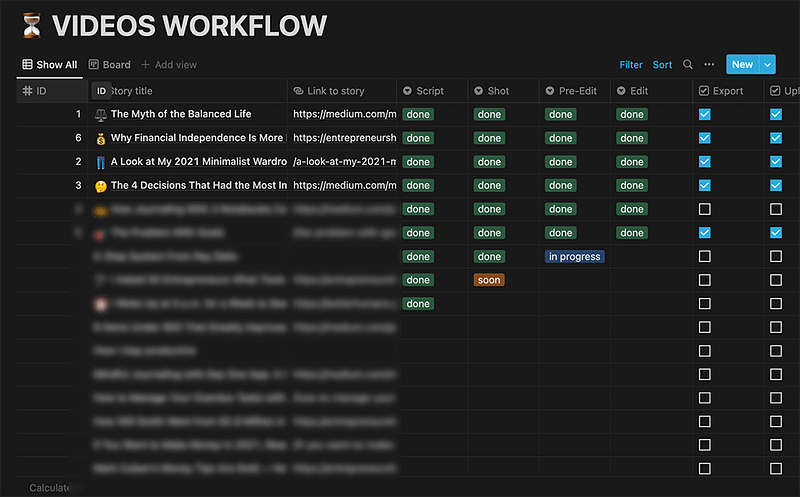
The results and the decision to keep going will come later, in 6 months.
I highly recommend the 6-month rule to anyone looking to start something new, and I’m actually planning to make a video on it, so subscribe to make sure you don’t miss it!