
Why I Prefer My Lens Wide Open
And What I Learned From Comments On A Recent Post
I published a story here two days ago titled . . . iPhone, Too Smart For Its Own Good.
I had gone out to get a quick coffee and did not take my camera. The sky clouded up and the light was beautiful. I saw several photos I wanted to make. I used my iPhone. It was the camera I had with me.
The image above is one of those photos.
In the story, I talked about the iPhone images having more depth of field than I prefer, even in the “Portrait” mode. Several of the comments on this story mentioned the differences noticed from my usual images.
This all got me thinking about why I photograph the way I do. Afterall I always use the tag line, “To wide open lenses . . . ”
I rarely stop the lens down from the largest aperture possible. I have come to prefer shallow depth of field. This has not always been the case. It also runs counter to how I learned photography, so many years ago.
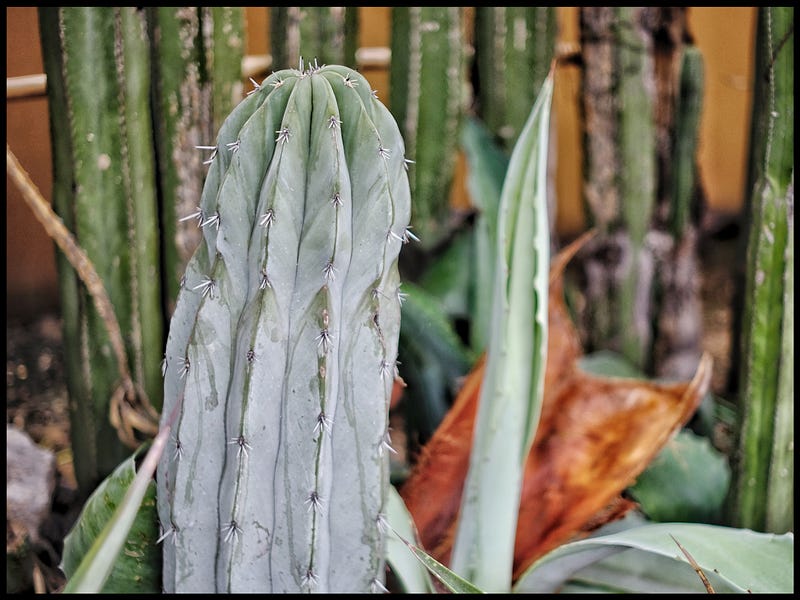
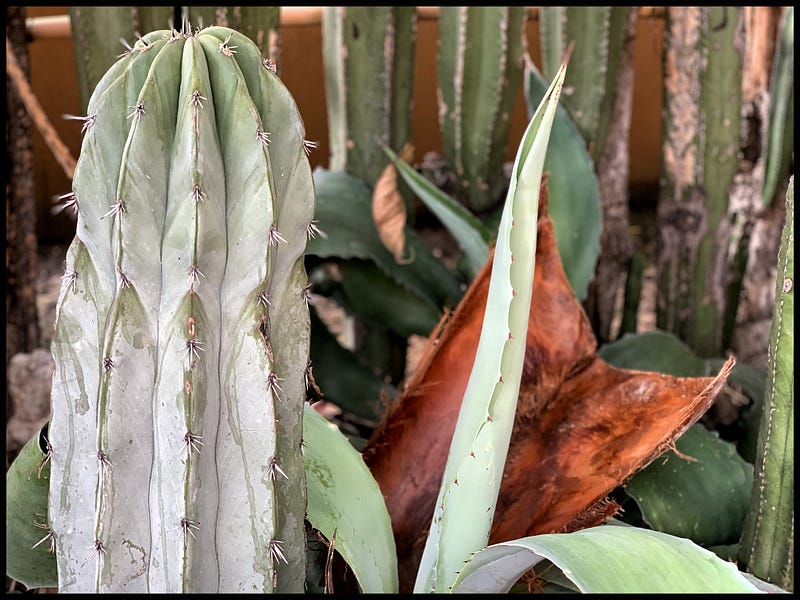
Today I revisited the scene where I made the iPhone image that opens this story. I wanted to photograph this same scene with my camera and manual lens.
The image above was shot at f1.4, wide open. The image below was shot at f16, which is as small as the aperture goes on this lens. I learned a lot from this experiment. I was also reminded why I choose to shoot wide open most often these days.
The opening iPhone image above displays more depth of field than my camera lens wide open. It also has less depth of field than my camera lens at f16, in the photo below.
The iPhone in Portrait mode is kind of in the middle of the aperture range on my manual lens. This manual lens is equivalent to a 50mm lens on a full-frame camera. This is essentially the same as the 35mm cameras with a normal 50mm lens, which many of us learned photography with.
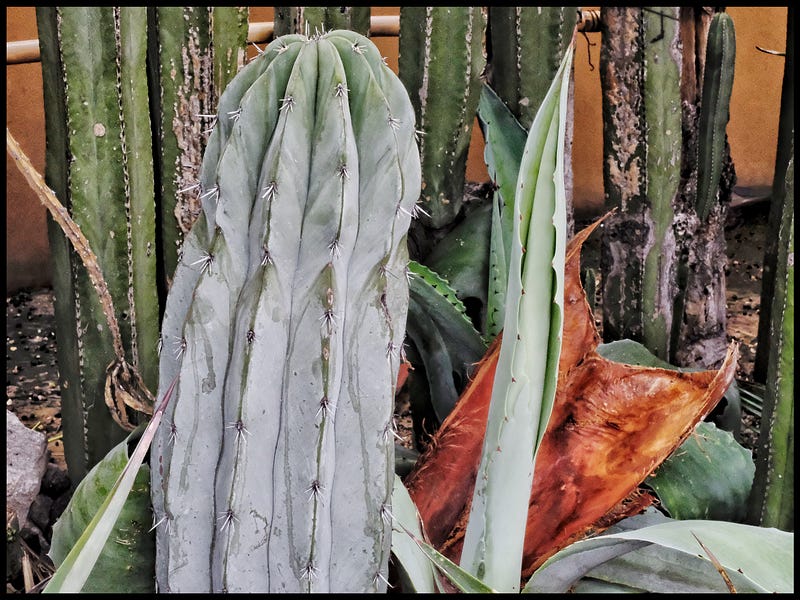
While editing the two frames from my camera today, I cropped them to the same 4:3 aspect ratio found on the iPhone. I also edited these two frames to closely match the iPhone image in terms of exposure, color, and contrast.
Again it turned out to be a valuable experiment. It also makes me more confident in what the iPhone camera is capable of. As I know there will be times when the iPhone in my pocket is the only, and best camera, I have with me.
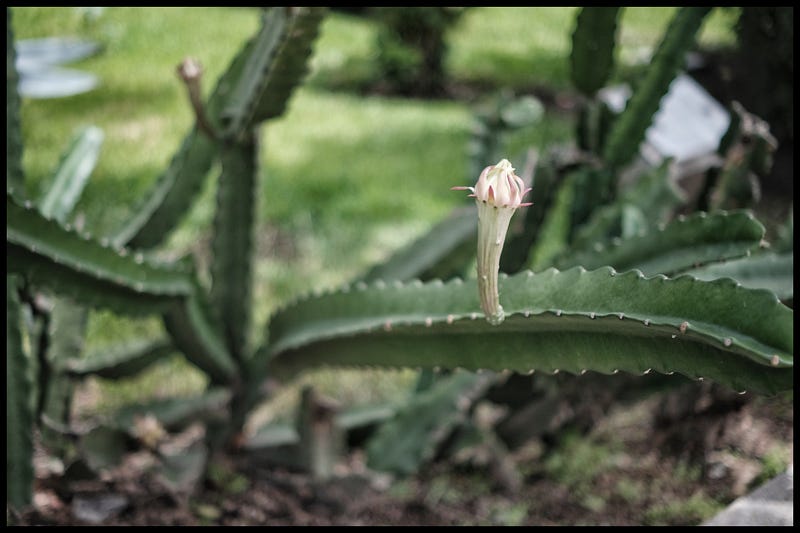
While I was out with my camera today I photographed several other scenes. I made two frames of each. One with the lens wide open at f1.4, and one with the lens stopped down to f16.
After editing and looking at these pairs of images, I was quickly reminded of why I choose to photograph the way I do these days. To my eye, the image above is much more interesting than the one below.
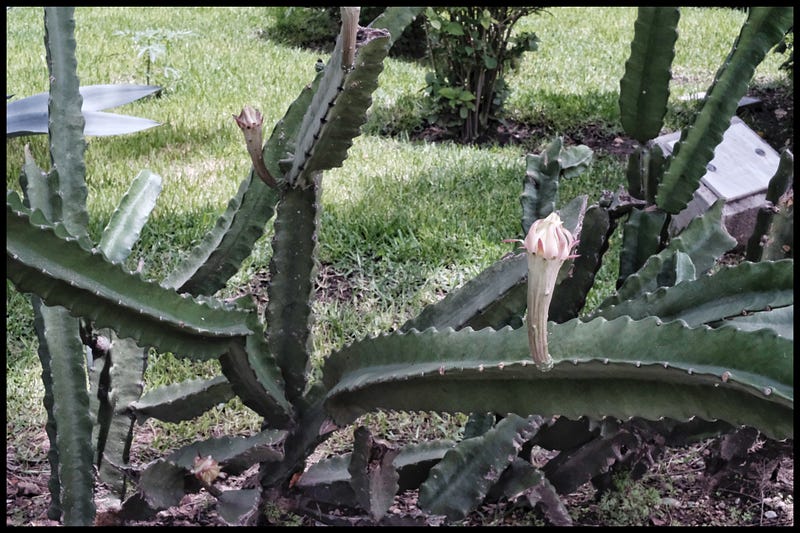
I began to photograph nearly 50 years ago. I started with a 35mm camera mounted with the ‘normal’ 50mm lens. I also started reading about photography, especially about Ansel Adams and Edward Weston. They were my early heroes.
Soon I moved on to a medium format twin lens camera. I used this camera for a couple of years. It produced results a little closer to what I saw in my mind's eye at the time, but still not quite.
In 1983 I moved from Phoenix to Eugene, Oregon to study photography at the University of Oregon. Several months later I began using a 4x5 view camera. A whole new way of working opened up for me.
The two instructors I studied with were both associated with Ansel Adams. My first teacher, Hal Halberstatd, ran a commercial photo studio in San Francisco, and assisted Ansel with his Yosemite summer workshops.
My second teacher, Ted Orland, had been one of Ansel’s darkroom assistants and had printed most of Ansel’s negatives for several years.
For me, this was f64 Group training, at its best. If the lens wasn’t stopped down to its smallest possible aperture, there was really no reason to even expose the film. Yes, I was a hard-core devotee.
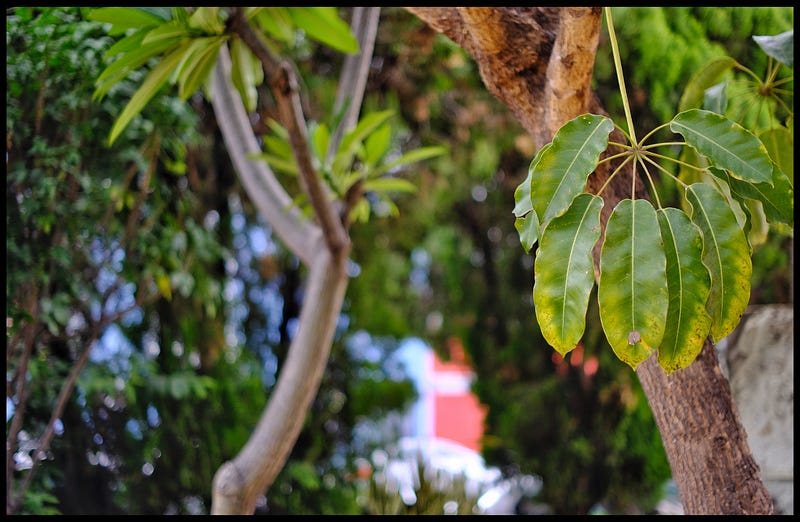
In 2006 I bought a used 8x10 Century Studio camera. It came with a wide open projection lens. The aperture was f4. I had no intention of using this lens, until I did. I wrote, This Camera And Lens Changed My Life, back in July.
This was the first time I had photographed with a wide open lens. I quickly discovered what I had been missing. I also discovered a new way of seeing. The wide open lens allowed me to focus on the part of a scene that I ultimately wanted viewers to focus on.
Allowing the rest of the scene to fall out of focus did two things. It created a dreamy, cinematic background of what felt unimportant. This dreamy background also offers a sympathetic context for what is important, for what is in sharp focus.
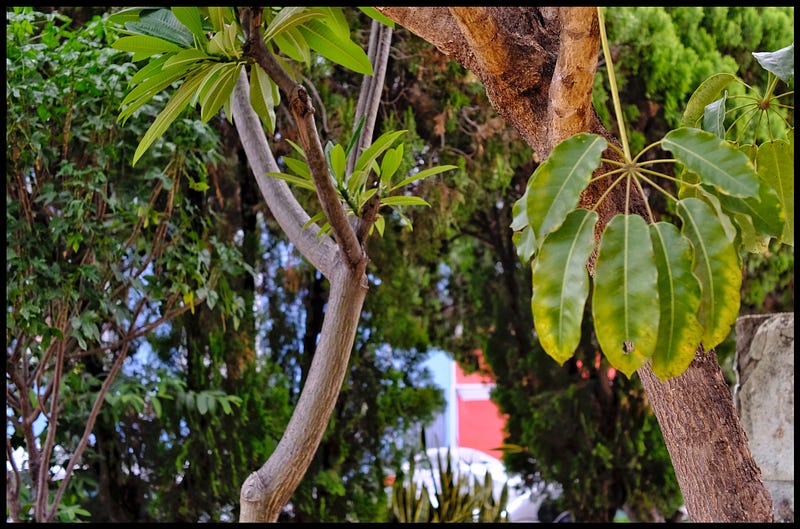
In this pair of images, the first tells the viewer that the multi leafed stem on the far right is what is important. The rest of the frame offers context for why this stem of leaves is the focus.
With the stopped down view of the second image above, most everything is in focus. And the viewer’s eye is left to wander, to wonder what this image is truly about. It is a record of a moment, though it makes no attempt at telling a visual story.
For me, it comes down to the difference between, attempting to influence a moment in time and possibly create art . . . and just recording a moment in time. With the ubiquitous phone camera, there is far too much of the latter.
Thank you for reading, and looking. I welcome your comments, always.
Until next time . . . To wide open lenses . . . and wide open hearts. — G.E.


