
Why I Made the Switch From Spotify to Apple Music
I am glad that I made the right choice
Over the past few years, music streaming platforms have become a staple in our daily lives, and the days of buying music CDs or downloading songs are distant now.
With a few taps on our devices, we have access to millions of songs anytime, anywhere, and it is a convenience I and I believe a lot of you, have also quickly grown accustomed to.
My journey into the world of music streaming began with Spotify back when it was one of the only major music streaming services available, and when I had an Android, I pretty much did not have any other option.
I really loved the dark-themed UI; remember, it was back when Android or iOS did not have dark modes on their phones, so it was refreshing to see an app with completely dark mode.
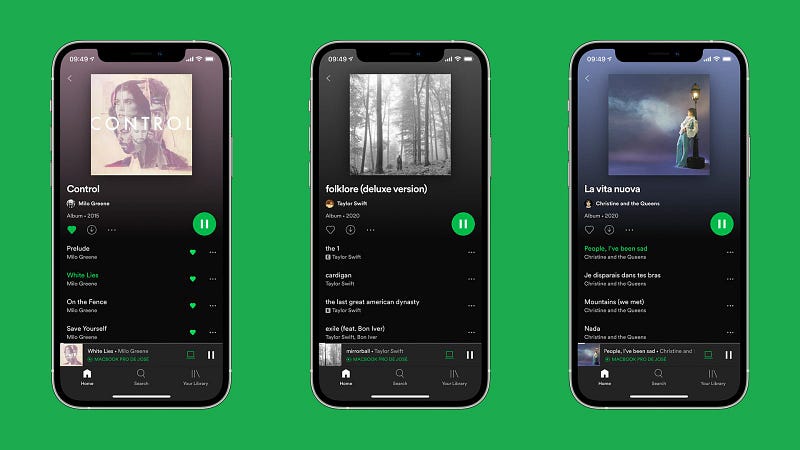
But, it was not just this; the ease of finding new artists, user-curated playlists, and the sheer variety of genres they had was exhilarating.
But as time passed, I started noticing little things like the sound quality was not up to the mark on certain tracks, and the user interface sometimes felt cluttered. Luckily, this was around the time I got my first iPhone and had the chance to try out Apple Music for the first time.
To be honest, I was not expecting much of a difference, but the more I delved into it, the more I realized it offered a different experience. The sound quality was consistently better, and the organization of the music felt more intuitive.
For those of you reading, you might have your own stories about music streaming and your preferences, and as we move forward, I’ll share more about why I switched from Spotify to Apple Music.
I hope my reasons will resonate with you, or perhaps they will give you a fresh perspective. Let’s dive in!
My Initial Impressions
When I first dipped my toes into the world of music streaming, Spotify, and I don’t know if you remember it, Google Play Music were my go-to platforms. You know, since I was using an Android phone at that time.
As I mentioned earlier, I really liked the dark-themed interface of Spotify, and its premium-looking design and seemingly never-ending list of playlists and songs felt like a treasure trove.
I also really loved the curated playlists and mood-based playlists as it was very new for me back then, and it all felt like a nice touch and a unique to discover and listen to songs I had never heard before.
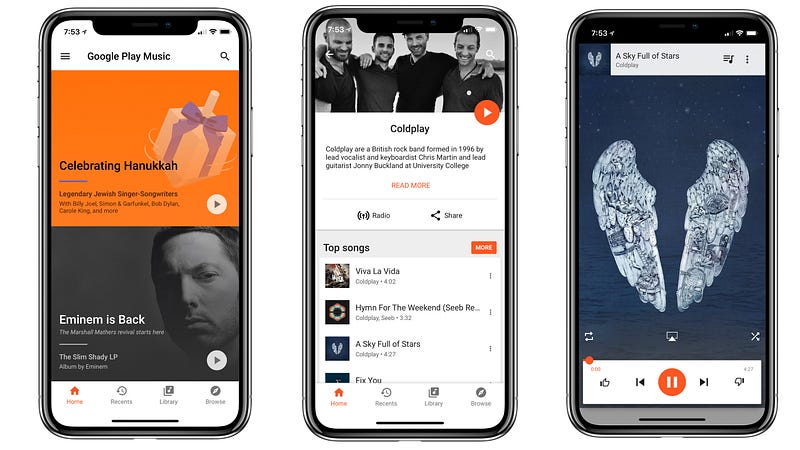
On the other hand, Google Play Music was decent, but as you know, the service is now long gone, as the app had a very non-user-friendly UI, was riddled with bugs, and often disrupted my listening experience.
Compared to Spotify and even YouTube at that time, the glitches and the lack of features were reasons enough for me to question its reliability as my music source.
The Great Debate: Apple Music vs. Spotify
Considering the Switch
As time passed, my relationship with Spotify began to wane, and while it was a great platform, I started to feel the need for something better.
Also, this was around the time I got my first iPhone, and the potential of using a music app that is deeply embedded into the Apple ecosystem and followed the same design language as all the other apps I loved was enticing.
Coupled with Apple Music’s superior sound quality, user-centric design, and my favorite feature, live lyrics, the allure of a potentially better musical and user experience was hard to resist.
The Quest for Superior Sound Quality
Sound quality is paramount to me, so much so that I have spent thousands of dollars trying to get the perfect audio setup I could afford with my Logitech Z623s, my Plantronics BackBeat Pro 2s, of course, also the HomePod, and my AirPods Pro 2.
I want to experience music as best as the artist intended, and I have even played around with a DAC setup with my Plantronics headphones. And I decided to test Apple Music out with this setup for a detailed, unbiased comparison with Spotify.
I had my roommate, who likes to call himself an audiophile, help me with the blind audio tests, and the difference was starkly clear.
Apple Music consistently delivered a richer, clearer sound. I also had my roommate do the test, and he consistently chose Apple Music tracks as the superior sounding ones without knowing which platform was playing.
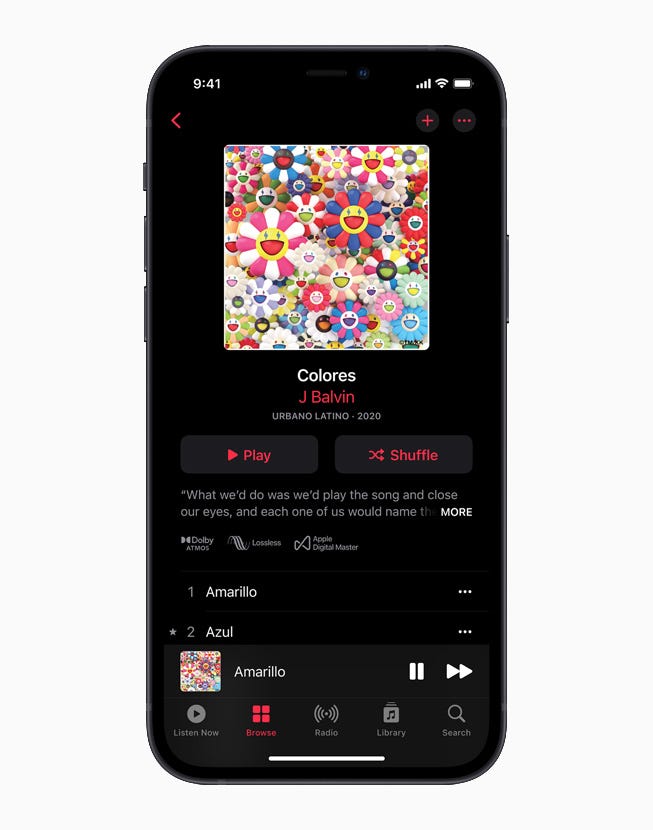
I mean, can you really go wrong with Dolby Atmos support and Hi-Res Lossless? I think not.
Navigating the User Interface
Beyond sound quality, the user experience was also very important to me, given that it plays a significant role in how we connect with music.
Spotify’s interface, while intuitive enough, definitely had its quirks. For instance, the lyrics display felt clunky, and instead of seamlessly integrating with the song, I had to swipe up and then pop into full screen to view them.
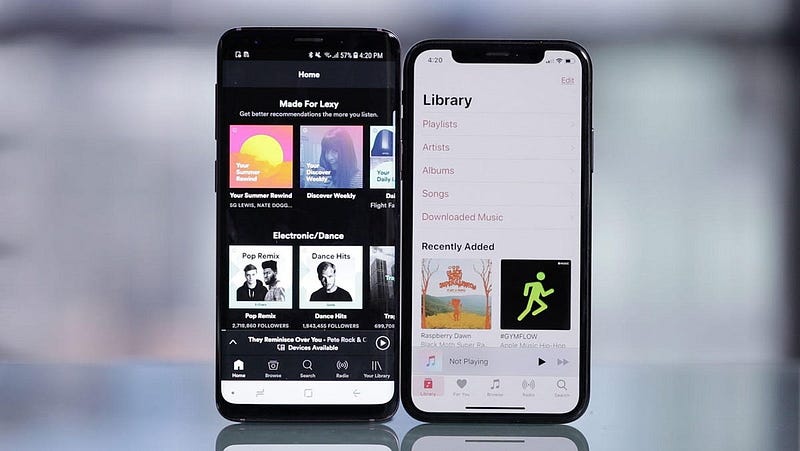
I know it is a minor gripe, but when repeated multiple times, it becomes a significant annoyance, and then there’s a constant push of playlists. Every time I opened the app, it felt like Spotify was on my face with, ‘Here’s a playlist just for YOU!’.
All I want is to see my library without the added noise, and I am aware that many people out there actually prefer to discover playlists, but I am just not one of them, and I am sure there are people like me out there as well.
The Ethical Side of Music
Apart from the technical and user experience, the ethical dimension was also a significant reason for considering the switch. Music is an art, and like with any art form, music artists deserve fair compensation for their craft.
Upon doing some research about the pay structures, I found that Apple Music pays double what Spotify does to artists. While other platforms might offer even more, thinking long-term, it will likely be a showdown between Apple Music and Spotify.
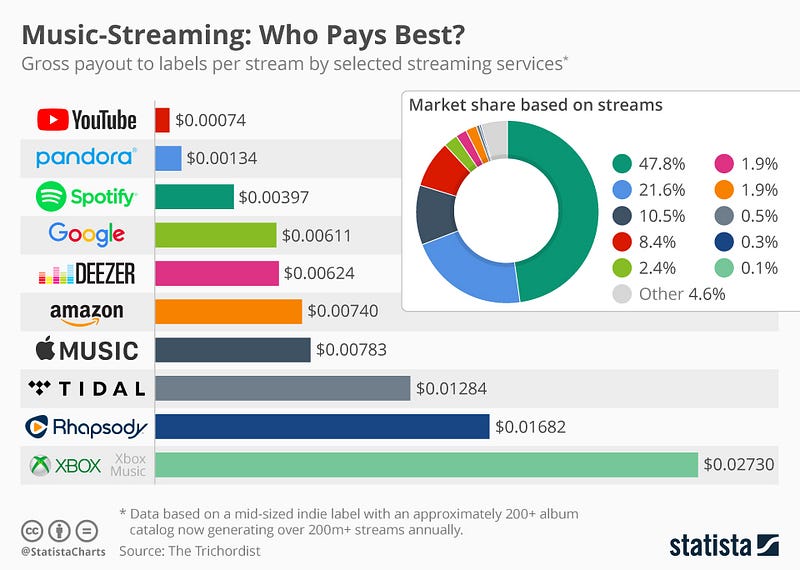
So, if I had to back a platform and give them my hard-earned money as a monthly subscription fee, I would rather choose the one that genuinely supports the artists I love and listen to.
I am sure that by now, you would have understood that, in this debate between Apple Music and Spotify, it was not just about features or sound quality for me. It was about the overall experience, the connection with music, and most importantly, standing by the artists who create the tracks I love and because of whom these platforms even exist.
The User Experience Angle
Consider navigating through a massive music streaming platform with millions of tracks and albums, like wandering through a library with 100 rooms and floors.
The ease with which you can find your favorite tracks, discover new artists, or simply lose yourself in the music depends largely on the platform’s organization and layout.
Layout & Organization
I agree that Spotify’s layout and user interface are very intuitive, with a focus on discovery, constantly pushing you to find and listen to artists you have never listened to before.
Spotify’s Home page is a mix of your recent listens, sprinkled with suggestions based on your taste. However, this constant push of playlists can sometimes feel overwhelming, especially when you are just looking to access your library.
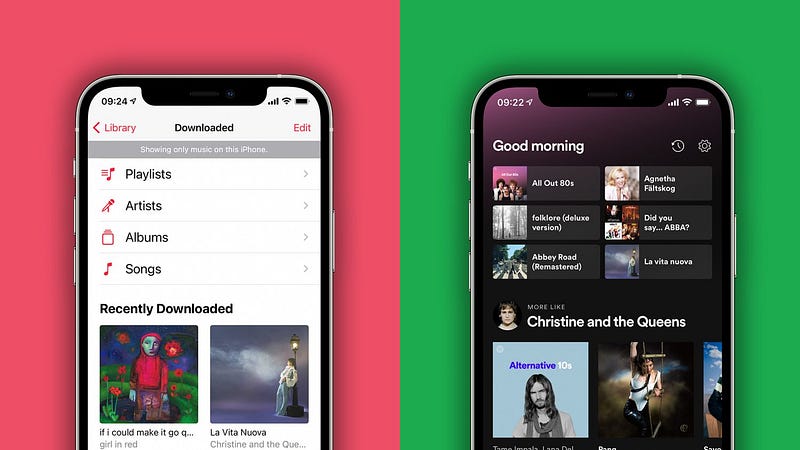
Apple Music, in contrast, feels more curated, and the organization leans toward a classic storefront interface, making it feel like you are browsing through a well-organized record store.
Also, adding an album or a song to your playlist feels like a tangible addition to your collection, seamlessly blending into the interface.
Diving Deeper into the User Interface
While both platforms offer lyrics display, Apple Music’s integration feels more fluid and interactive. Instead of multiple swipes or taps, lyrics flow with the song, enhancing the listening experience, and the way that the animation flows and highlights the current word being played is something I really love.
And then there is the integration with the Apple Ecosystem, whether it is the seamless transition between the iPhone and the HomePod, being able to effortlessly control everything about the music playback from your Apple Watch, or watching the live lyrics on the big screen with the Apple TV, it feels harmonious, and the experience is unparalleled.
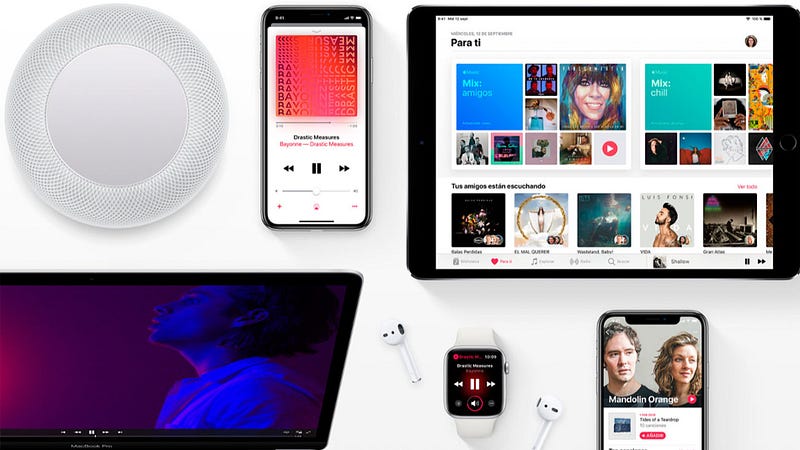
While both Apple Music and Spotify have their charms, Apple Music’s UI feels more organized and simple and offers a sense of comfort and ease, while Spotify can sometimes feel like navigating through a cluttered and busy interface.
In the end, user experience is deeply personal, and while some may thrive in Spotify’s dynamic environment, others, like me, find solace in the simplicity and elegance of Apple Music.
The Ethical Angle
For us, the listeners, music could just be something we listen to feel happy, enjoy, or just to pass the time, but for the artists, it is something they pour their emotions into, and it is their soul and effort. This is why, when choosing a streaming platform, the ethical implications of our choices play a pivotal role.
Diving into the pay structures, it’s evident that Apple Music takes a more artist-friendly approach, offering almost double the compensation per music stream compared to Spotify.
This difference is significant for someone like me, who deeply values the art and the artist and wants to support their work in any way I can. Every time we play a song, you and I indirectly support the artist through your subscription fees, and higher compensation means a more sustainable livelihood for them.
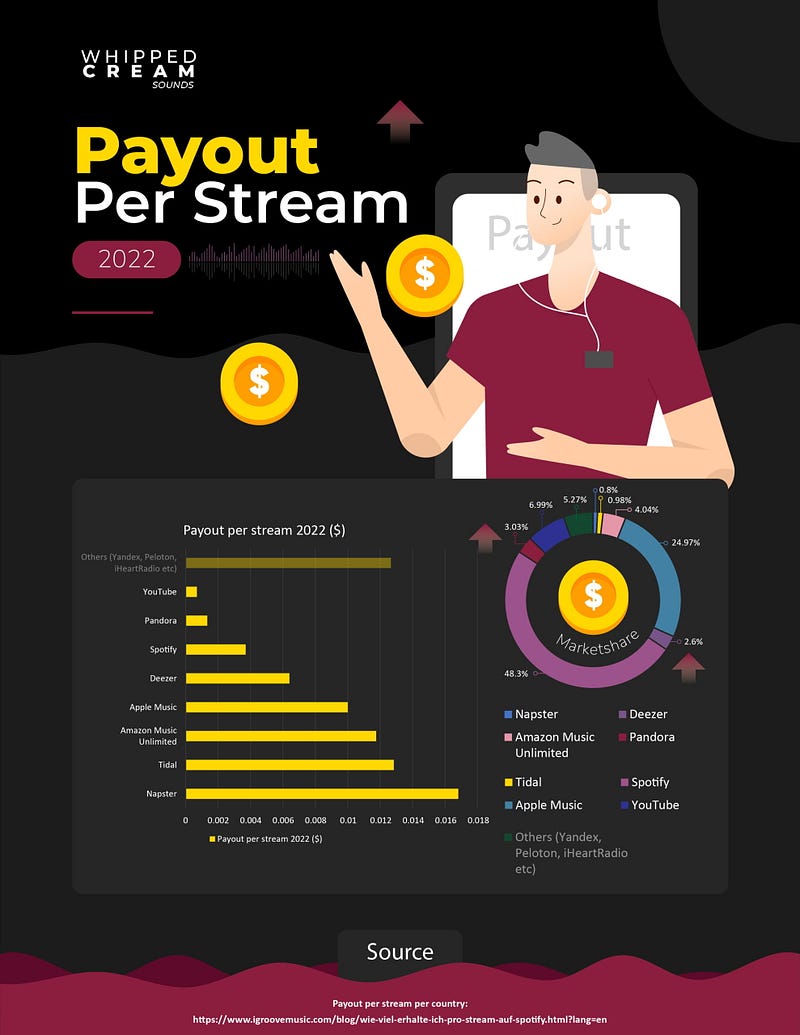
We have to understand that our choices have broader implications for the music industry, and by supporting platforms that offer fairer compensation, we are fostering an environment where artists can thrive, leading to richer and more diverse music for all of us.
I think the point I am trying to make here is that it is not just about music streaming or our listening experience; it is also about standing by the creators who make our days brighter and give us something to listen to and feel better when we are at our lowest.
Human vs. AI recommendations
Music discovery is a deeply personal and ever-evolving journey, and in this AI age, platforms like Spotify or Apple Music offer two primary avenues: human-curated playlists and AI-generated recommendations.
While I am a huge fan of AI myself, I can’t help but concede that there is an undeniable charm to human-curated playlists on Apple Music. They feel more organic, like a playlist put together specifically for you, capturing your moods and moments.
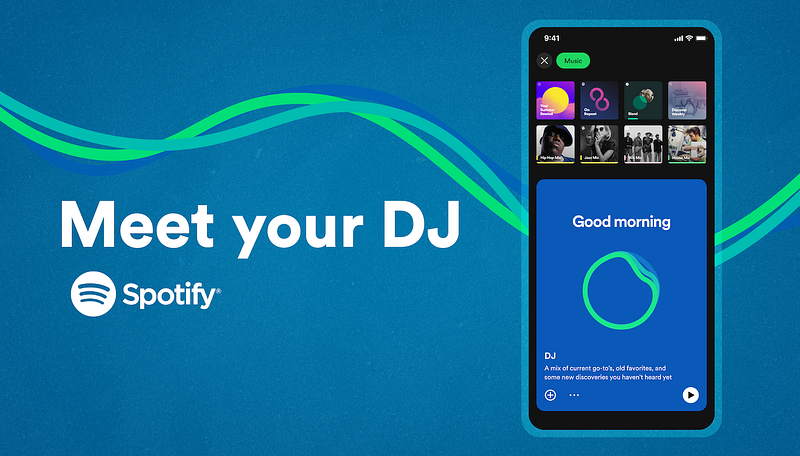
AI-generated playlists, predominant on Spotify, while technically impressive, analyze your listening habits and churn out recommendations with uncanny accuracy, can sometimes feel a bit too algorithmic, lacking the spontaneity and soul of human curation.
One thing I miss about Spotify is its recommendations are always spot-on, introducing me to artists and tracks that align with my tastes. Apple Music, while improving, sometimes takes a broader approach, occasionally nudging me toward genres I typically wouldn’t explore.
Yes, it is a double-edged sword, and while I appreciate the diversity, there are moments I yearn for the precision Spotify offers. To me, the ideal platform should strike a balance, making music discovery a delightful adventure with the perfect mix of human and AI curation.
The Final Verdict
Here are some of the reasons why, after thorough exploration, Apple Music emerged as my top choice:
Sound Quality & Integration
As I mentioned earlier in the post, Apple Music consistently outperformed Spotify in my blind test, and the richness and depth of tracks, especially when paired with Apple devices, were unmatched. This and the seamless integration across my iPhone, Apple Watch, Apple TV, and HomePod made the experience fluid and delightful.
Design, UI, and Ethics
Apple Music’s design felt more intuitive and less cluttered, and the ease of navigation through albums, the animated album art, and the human touch in curated playlists are all things I love and adore. Beyond aesthetics, the ethical stance of Apple Music, particularly in artist compensation, was something that was very important to me.
The AirPods Pro 2 Experience
I know I might be biased here, but using Apple Music with my AirPods Pro 2 was a revelation. The sound quality was noticeably superior, thanks to the H1-Chip, and it felt like Apple Music and AirPods were in perfect harmony.
The Ever-Evolving World of Music Streaming
Switching my primary music streaming platform was more than just a change in apps; it taught me the importance of aligning choices with personal values and needs.
With the level of marketing and borderline brand manipulation these days, it is easy to get swept up in trends, but it is crucial to be a conscious consumer. Whether it is music or any other experience, our choices should resonate with our beliefs and preferences.
So, I hope after you read this post, you will prioritize what matters most to you as you navigate the vast world of music streaming. Maybe you would even choose to go with YouTube Music or even Amazon Music; that is a choice you have made based on your values and preferences. However poor or bad they might be.


