
Why I Listen to a Lot of Mozart and Bach and Why They “Do the Trick”
A Neuroscientific, Psychological, and Everyday Analysis

Introduction to the benefits of listening to Mozart and Bach
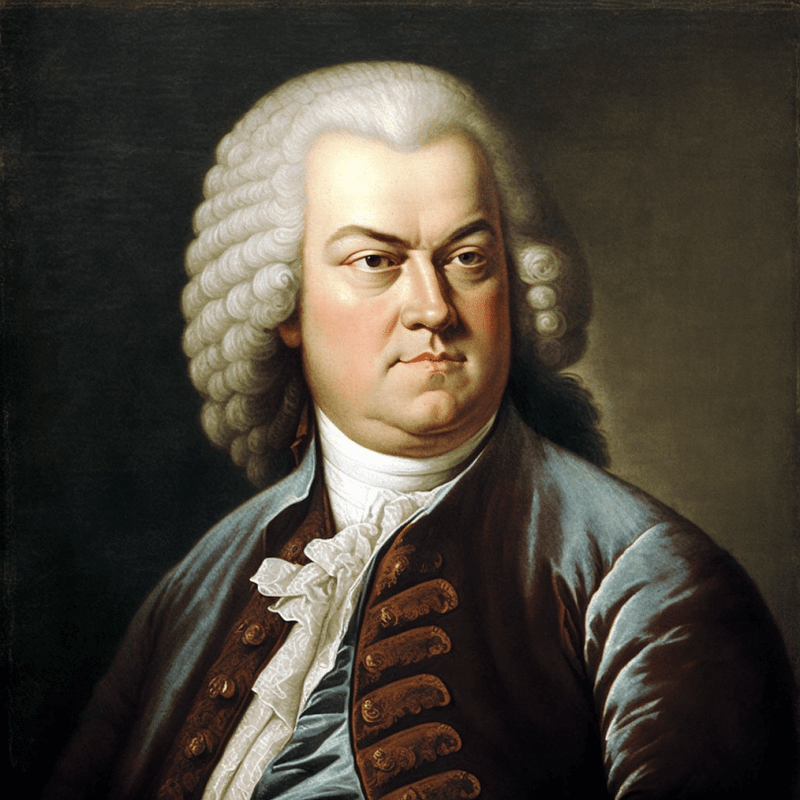
Mozart and Bach are two of the most renowned composers in classical music history. Wolfgang Amadeus Mozart was born in Austria in 1756 and is considered one of the most influential composers of the Classical era. Johann Sebastian Bach, born in Germany in 1685, is regarded as one of the greatest composers of all time, with his music spanning the Baroque era. People of all ages and backgrounds continue to enjoy their compositions because they have stood the test of time.
Listening to classical music, such as Mozart and Bach, has been shown to have numerous benefits for individuals. It can improve focus and concentration while studying or working, aid in relaxation and stress relief, and even improve one’s overall mood and emotional well-being. Furthermore, listening to classical music has been linked to improved cognitive function and memory retention [1]. These benefits have been observed not only in adults but also in children, with studies showing that listening to classical music can enhance cognitive development in young children [2].
The benefits of listening to classical music can be attributed to the neuroscientific and psychological effects it has on the brain. For example, listening to music activates the reward centres in the brain, leading to the release of dopamine, a neurotransmitter associated with pleasure and motivation [3]. Additionally, classical music has been shown to increase alpha brainwave activity, which is associated with relaxation and reduced stress levels [4]. The complex and intricate nature of classical music also stimulates the brain and can improve cognitive function and memory retention [5].
When it comes to specific compositions that “do the trick,” there are many options to choose from within the works of Mozart and Bach. For example, Bach’s Goldberg Variations and Mozart’s Piano Concerto №21 are both known for their calming and soothing effects [6]. Mozart’s Symphony №40 and Bach’s Brandenburg Concerto №3 are both known for their energising and uplifting qualities [6]. Ultimately, the choice of composition depends on the individual’s personal preferences and the desired effect they are seeking to achieve.

How listening to Mozart and Bach can improve focus and study
Listening to classical music, particularly compositions by Mozart and Bach, has been associated with improved focus and concentration while studying. This phenomenon is commonly referred to as the “Mozart effect” [1]. When selecting specific compositions for study, it is recommended to choose pieces with a moderate tempo and low complexity, as they are less likely to distract from the task at hand [7]. Additionally, instrumental pieces are preferred over those with lyrics, as they are less likely to interfere with cognitive processing [8].
The psychological and cognitive benefits of listening to Mozart and Bach while studying are numerous. Research has demonstrated that listening to classical music can improve cognitive performance, including memory and spatial reasoning [9]. Additionally, listening to music while studying can help reduce stress and anxiety, leading to a more productive and enjoyable study experience [4]. Furthermore, incorporating music into a study routine can help establish a positive association between studying and a pleasurable experience, making it more likely for individuals to continue studying in the future [10].
While listening to Mozart and Bach can certainly enhance studying, it is important to note that it is not the only method for improving focus and concentration. Other techniques, such as meditation, exercise, and caffeine consumption, can also be effective in improving cognitive performance. Ultimately, finding the right method for improving focus and concentration while studying is a matter of personal preference and experimentation [2].
How listening to Mozart and Bach can aid in meditation and relaxation
Listening to classical music, such as Mozart and Bach, has been shown to have a calming effect on the mind and body, making it an effective tool for meditation and relaxation. The slow and steady rhythm of classical music can help slow breathing and heart rate, promoting a sense of calmness and relaxation [10]. This effect can be particularly helpful for those who struggle with anxiety or stress, as it can help them feel more centred and grounded during meditation and relaxation practices.
When selecting specific compositions for meditation and relaxation, it is important to consider the tempo and overall mood of the music. Slow, soothing pieces with minimal dissonance are often the most effective for promoting relaxation, such as Bach’s “Air on a G String” or Mozart’s “Piano Concerto №21” [6]. Additionally, instrumental pieces without lyrics can be particularly helpful for those who find it difficult to quiet their mind during meditation.
The psychological and physiological benefits of listening to Mozart and Bach during meditation and relaxation are numerous. Studies have shown that listening to classical music can reduce stress and anxiety, lower blood pressure, and even improve cognitive function [11]. Additionally, it can help to improve sleep quality, which is essential for overall health and well-being [12]. Overall, incorporating classical music into one’s meditation and relaxation practices can have a significant positive impact on both mental and physical health.
How listening to Mozart and Bach can aid in escaping and coping with stress
Classical music, particularly compositions by Mozart and Bach, has been found to have therapeutic effects on the mind and body. Listening to classical music can aid in escaping and coping with stress, as it has been shown to improve mood and reduce anxiety [1]. According to a study published in Music Therapy Today, listening to music can have a calming effect on individuals, helping to reduce stress and promote relaxation [2]. It is important to note that specific compositions can have different effects on individuals, so it is important to select music that resonates with one’s personal preferences and needs [13].
When selecting specific compositions for escaping and coping with stress, it can be helpful to choose pieces that have a slower tempo and a calming melody. For example, Bach’s Goldberg Variations or Mozart’s Piano Sonata №16 in C Major are known for their relaxing and soothing qualities [6]. Additionally, instrumental pieces without lyrics can be particularly effective in promoting relaxation and reducing stress levels [6]. It is also important to find a quiet and comfortable space to listen to music, free from distractions and interruptions [4].
The psychological and emotional benefits of listening to Mozart and Bach during times of stress and anxiety are numerous. In addition to promoting relaxation and reducing stress levels, listening to classical music has been shown to improve cognitive function and enhance creativity [14]. Furthermore, music has the ability to evoke emotions and memories, providing individuals with a means of self-expression and emotional release [15]. Overall, incorporating classical music into daily life can have a positive impact on mental and emotional well-being, aiding in escaping and coping with stress.
How listening to Mozart and Bach can improve creativity and productivity
There is a strong relationship between listening to classical music, such as Mozart and Bach and enhancing creativity and productivity. In fact, many people use classical music as a tool to help them focus on studying, meditate, relax, and escape from the stresses of daily life [16]. The complexity and structure of classical music have been found to stimulate the brain and enhance cognitive function, particularly in the areas of spatial-temporal reasoning and creativity [1]. Therefore, incorporating classical music into one’s daily routine can lead to improved performance on creative tasks and increased productivity.
When selecting specific compositions to listen to for enhancing creativity and productivity, it is important to consider the tempo and structure of the piece. High-tempo music without lyrics is often recommended for tasks that require focus and concentration, while slower, more melodic pieces can be used for relaxation and stress relief [8]. Additionally, some compositions, such as Mozart’s “Sonata for Two Pianos in D Major,” have been found to have a particularly positive effect on cognitive function and creativity [1]. Experimenting with different compositions and finding what works best for individual needs can lead to maximum benefits.
Listening to Mozart and Bach while working on creative tasks has been found to have a number of psychological and cognitive benefits. For example, listening to classical music can help reduce anxiety and stress, which can in turn improve cognitive function and creativity [6]. Additionally, the structure and complexity of classical music can stimulate the brain and enhance spatial-temporal reasoning, leading to improved problem-solving abilities and creativity [5]. Therefore, incorporating classical music into one’s daily routine can lead to improved overall well-being and cognitive function.
Conclusion and final thoughts on the benefits of listening to Mozart and Bach
Throughout this article, I have explored the numerous benefits of listening to classical music, particularly works by Mozart and Bach. From improving focus and concentration during study sessions [17] to aiding in relaxation and meditation [4], to providing an escape from the stresses of daily life [18], classical music has been shown to have a positive impact on both our mental and physical well-being. Additionally, studies have demonstrated that listening to classical music can enhance creativity, improve mood, and even boost cognitive function [11].
As we conclude this discussion on the benefits of listening to Mozart and Bach, it is important to note that incorporating classical music into daily life does not have to be complicated or time-consuming. Simply listening to a few minutes of a favourite composition while commuting to work or during a break in a busy day can be enough to reap the benefits of this timeless art form [19]. Additionally, exploring new compositions and genres of classical music can lead to the discovery of new favourites and further enhance the benefits of listening to this type of music [6].
Finally, it is worth reflecting on the continued relevance and importance of Mozart's and Bach’s music in modern society. Despite being composed centuries ago, their works continue to captivate and inspire listeners of all ages and backgrounds [20]. As we navigate an increasingly complex and stressful world, the beauty and complexity of classical music can serve as a source of comfort and solace. Thus, we encourage readers to continue exploring the benefits of listening to classical music and incorporating this timeless art form into their daily lives [21].
In conclusion, listening to classical music, particularly Mozart and Bach, offers a range of benefits for individuals seeking to improve their focus, relaxation, coping skills, creativity, and productivity. The neuroscientific and psychological facts behind these benefits are well documented, and there are specific compositions that can be selected for each purpose. Whether you are studying, meditating, escaping, or working on a creative project, incorporating classical music into your routine can enhance your experience and improve your outcomes. As we continue to navigate the stresses of modern life, the importance and relevance of Mozart's and Bach’s music remain as strong as ever.
So, take some time to explore their works and find the compositions that “do the trick” for you.
Hon. Professor Robert Kavanagh
CEO and Research Director

Notes:
1. These Are The 10 Biggest Myths In Psychology — Brain. (n.d.) Retrieved August 19, 2023, from superornamentally5.rssing.com/chan-3889474/all_p14.html 2. Music Therapy Today, Vol. 6, №3. (n.d.) Retrieved August 19, 2023, from issuu.com/presidentwfmt/docs/mtt_6_3__2005 3. Listening with Your Whole Body: Better Hearing Through …. (n.d.) Retrieved August 19, 2023, from dokumen.pub 4. Can we compare reading a book with meditation? Are their …. (n.d.) Retrieved August 19, 2023, from www.quora.com 5. Introduction To Psychology | PDF | Human Nature. (n.d.) Retrieved August 19, 2023, from www.scribd.com/document/501204575/Introduction-to-Psychology 6. ‘Keyboard’ poems — Hello Poetry. (n.d.) Retrieved August 19, 2023, from hellopoetry.com/words/keyboard/ 7. What are core cognitive skills, and how do you improve …. (n.d.) Retrieved August 19, 2023, from www.quora.com 8. How do you FOCUS on writing with ADHD?. (n.d.) Retrieved August 19, 2023, from www.reddit.com 9. Full text of “911 Full Report”. (n.d.) Retrieved August 19, 2023, from archive.org 10. Promoting Wellness Through Mindfulness-Based Activities. (n.d.) Retrieved August 19, 2023, from academicworks.cuny.edu 11. The following text is drawn from January 16, 2006 Time …. (n.d.) Retrieved August 19, 2023, from www.psy.vanderbilt.edu 12. I have a hard time sleeping before important events. In fact …. (n.d.) Retrieved August 19, 2023, from www.quora.com 13. Applying Music in Exercise and Sport PDF. (n.d.) Retrieved August 19, 2023, from www.scribd.com 14. Blog — Page 130 of 159. (n.d.) Retrieved August 19, 2023, from simplifaster.com/blog/page/130/ 15. State of the Species. (n.d.) Retrieved August 19, 2023, from orionmagazine.org/article/state-of-the-species/ 16. Can you learn to play piano through hypnosis?. (n.d.) Retrieved August 19, 2023, from www.quora.com/Can-you-learn-to-play-piano-through-hypnosis 17. What are the most productive ways to study?. (n.d.) Retrieved August 19, 2023, from www.quora.com/What-are-the-most-productive-ways-to-study 18. The sacred need for Silence : r/philosophy. (n.d.) Retrieved August 19, 2023, from www.reddit.com 19. Nonmedicated people, how do you make yourself …. (n.d.) Retrieved August 19, 2023, from www.reddit.com 20. 1712575 7f92a115 by Jurco Smotrych. (n.d.) Retrieved August 19, 2023, from issuu.com/smo34/docs/1712575_7f92a115 21. The Oxford Handbook of Western Music and Philosophy. (n.d.) Retrieved August 19, 2023, from dokumen.pub