Why I Have Bronchiectasis
Facts About Bronchiectasis And What To Do
Bronchiectasis Causes
Bronchiectasis is an irreversible disease that is primarily associated with other medical issues. The most common cause of bronchiectasis is acquired Immune Deficiency Syndrome (AIDS).
I developed this disease because I have systemic lupus erythematosus. However, this disease can be present at birth, and is called congenital bronchiectasis, or it may develop later in life making it an acquired bronchiectasis.
Cystic fibrosis eventually results in severe bronchiectasis in most cases. Young’s syndrome, which is similar to cystic fibrosis, is thought to contribute to the development of this disease. Tuberculosis is another cause.
Bronchiectasis can sometimes be an unusual complication of inflammatory bowel diseases, such as ulcerative colitis, and it can occur in Crohn’s disease as well.
A less common congenital cause is primary immunodeficiencies due to a weakened immune system that can’t fight against the infection. This would also hold true for someone with a weakened immune system due to chemotherapy, which can make cancer patients and patients with autoimmune diseases more susceptible to the disease.
Bronchiectasis Facts
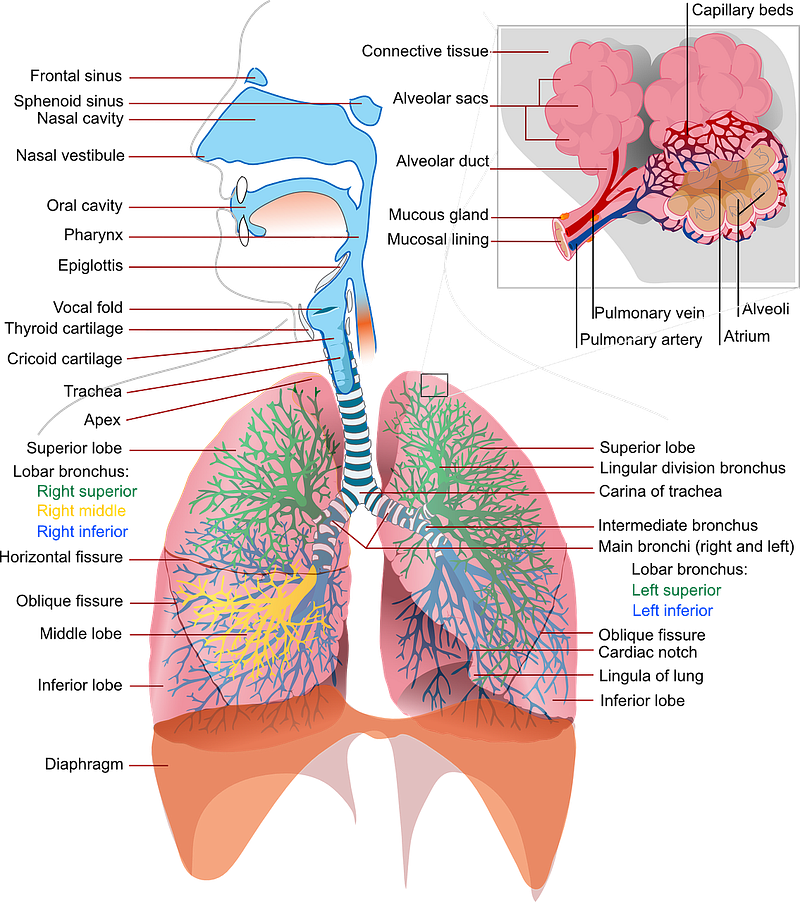
Bronchiectasis causes localized, irreversible dilation of part of the bronchial tree in the lungs. It is classified as an obstructive lung disease, along with emphysema, bronchitis and cystic fibrosis. Asthmatic bronchitis symptoms are very similar.
Bronchiectasis causes chronic pulmonary infections, such as bronchitis, pneumonia and other opportunistic infections. Recently, there has been an increase in cases in people with autoimmune diseases, such as rheumatoid arthritis that smoke. There is no proof that cigarette smoking is a primary cause of this disease.
Common Symptoms
Symptoms of this disease often tend to gradually develop. The symptoms include:
- Breath odor
- Chronic cough with large amounts of foul-smelling sputum
- Clubbing of fingers
- Bluish tend to skin
- Coughing up blood
- Cough that gets worse when lying on one side
- Fatigue
- Paleness
- Shortness of breath that gets worse with exercise
- Weight loss
- Wheezing
- Chronic cough, coughing up thick, white, or green sputum
Common Treatments
Treatment is aimed at controlling the infections and bronchial secretions, relieving airway obstruction and preventing complications.
Regular nebulizer treatments are used to clear the airway. A respiratory therapist can show the patient coughing exercises that will help. If inhaled steroid therapy is consistently adhered to it can reduce sputum production and decrease airway constriction over a period of time. Plus, it helps to prevent progression of the disease.
Inhalers, such as albuterol, fluticasone (Flovent), Trilogy, Atrovent and a new FDA approved inhaler, Besespi may help reduce the likelihood of infections by clearing the airway and reducing inflammation.
Antibiotics, bronchodilators and expectorants are often prescribed. Surgery to resect the lung may be necessary if medicine does not work or if the patient has massive bleeding.
A recently approved medication in the USA is Mannitol, which is a dry inhalation powder named Bronchitol for use in patients with bronchiectasis and with cystic fibrosis. This medication can cause severe bronchospasms.

Thyme
Did you know that thyme is an excellent herb for conditions of the lung as its properties have the ability to break down mucus, which makes it ideal for bronchitis and asthma. It is used as an expectorant by some people.
Thyme is antimicrobial; it reduces the severity of the symptoms of respiratory infections and kills the microorganism causing the infection. It is largely used as an aromatic oil, called Thyme Oil. This information is published by the British Herbal Medicine Association.
Bronchiectasis Diagnosis
Diagnostic tests may include:
- Aspergillosis precipitin test (to check for signs of the aspergillosis fungus)
- Chest x-ray
- Chest cat scans look for particular abnormalities
- Sputum culture
- Complete blood count (CBC)
- PPD skin test to check for a prior tuberculosis infection
- Serum immunoglobulin electrophoresis
- Sweat test or other cystic fibrosis testing
In Summary
Most people with this disease lead a fairly normal life with some disability. To prevent complications, lung infections must be treated promptly.
Childhood vaccinations and an annual flu shot will help the chance of avoiding infection. People with this disease quite often get a lung infection following the flu or some other type of bacterial disease. Avoid smoke and pollution as much as possible.
Call the doctor if you or a family member has chest pain or their shortness of breath gets worse. See your doctor when there is a change in the color of phlegm coughed up or if it is bloody.
This content is accurate and true to the best of the author’s knowledge and does not substitute for diagnosis, prognosis, treatment, prescription, and/or dietary advice from a licensed health professional. Drugs, supplements, and natural remedies may have dangerous side effects. If pregnant or nursing, consult with a qualified provider on an individual basis. Seek immediate help if you are experiencing a medical emergency.
Copyright©2022 Pamela Oglesby Facebook, Hubpages, Twitter, Instagram Linkedin Become a Medium member today or Buy me a cup of coffee! ❤️


