avatarBen Le Fort

Free AI web copilot to create summaries, insights and extended knowledge, download it at here

3298

Abstract

evious month</b></p><h2 id="4cf0">Car Fund- 250</h2><p id="f3a6">Owning a car is extremely expensive, especially if you need to take out a loan to buy the car and pay interest on that loan. I have 1 year left on a 4-year car lease, which has a very good buy out price. The day I signed the lease, 3 years ago, I started putting 250 a month away, so I can buyout the car — in cash — at the end of my lease.</p><p id="2bc6">I can’t wait for this lease to be up, because after the buyout, I will have eliminated ALL of my consumer debt. That means my only debt will be attached to real-estate properties. Once the car is paid off, I will continue to put 250 away every month to ensure that I will NEVER have to take out a car loan again.</p><h2 id="36b6">House Fund- 200 Each</h2><p id="e8f6">Houses can be expensive and you never know when you are going to get a leak in the basement, have your roof blow off, or when your furnace will die on you. My wife and I do not want to have to refinance our mortgage to pay for unexpected house repair costs, so we each put 200 a month away into a house repair fund.</p><h2 id="9487">Investment Property Fund- 200 Each</h2><p id="a9c5">Did I mention having a house can be expensive? How about having 2 houses. Rather than taking all the rent money from our investment property and buying crap that we don’t need, we each put away 200 per month into a repair fund for our investment property.</p><h2 id="7fd3">Vacation Fund- 200 Each</h2><p id="ba29">Don’t buy things you can’t pay for up front, INCLUDING THAT ALL INCLUSIVE VACATION TO JAMAICA. I mentioned that I never want to have consumer debt ever again. A great way to rack up debt is to pay for your vacation on your credit card if you do not have the money to pay it off immediately. That is why my wife and I each contribute 200 per month into our vacation fund every month. When it is vacation time, we choose a vacation that we can pay for in full with the money we have in our vacation fund. If we can’t pay for it out of the vacation fund WE DON’T GO. We don’t borrow money from the other money buckets just because “we want to”.</p><h2 id="587b">Emergency Fund- 100 Each</h2><p id="f011">This is probably a lot less than most people, but, my wife and I have 2 reasons why we only put 100 away each per month into an “emergency fund”:</p><ol><li>We both have secure employment and;</li><li>We have so much cash in all our other buckets, that if we did have a true “financial emergency” we could liquidate our other money buckets if we absolutely had to.</li></ol><h2 id="d68a">Wedding Fund- 400 Each</h2><p id="321b">Did I mention cars are expensive? Do you know what else is expensive? WEDDINGS. My wife and I had been putting away 400 each per month into our wedding fund. I am happy to say we just recently got married. We were able to pay for the whole thing out of our wedding fund and even had a small surplus at the end. Now we each have 400 extra every month to play with. What do you think we should do with that money? Let me know in the comments.</p><h2 id="9088">Future Child Fund- $200 Each</h2><p id="8c3a">Clearly, my wife and I are planners. Even before we started saving for our wedding, we knew we wanted to have a child (someday). We also know a child will bring a

Options

whole lot of new expenses with it and a period of reduced income while my wife is on maternity leave. So for well over a year, we have been putting $200 each into a fund to cover these future expenses. If and when a baby arrives we will be ready (at least financially)!</p><p id="05c9">At the end of the month, once all my buckets have been filled and all my other living expenses have been covered, I throw whatever is left into my retirement and investment accounts.</p><p id="c1e3">How do you save up for short to mid-term expenditures? Do you implement a similar bucket system? Do you think this kind of saving strategy fits into your life? Let me know in the comments!</p><h2 id="45ce">Blogging Income Fund- Whatever I Made from Writing on Medium Last Month</h2><p id="e07f">I keep money I earn from writing on medium separate from money I earn from my job, so I don’t get dinged at tax time.</p><p id="3c10"><b>Other Must Read Personal Finance Articles</b></p><div id="c812" class="link-block"> <a href="https://readmedium.com/automatic-millionaire-financial-independence-on-autopilot-3c3895c86640"> <div> <div> <h2>Automatic Millionaire: Financial Independence on Autopilot</h2> <div><h3>At the end of the day, the biggest obstacle we all must overcome to reach Financial Independence is, ourselves. Budgets…</h3></div> <div><p>medium.com</p></div> </div> <div> <div style="background-image: url(https://miro.readmedium.com/v2/resize:fit:320/0*tGDUWVzYPXLdYFIa.)"></div> </div> </div> </a> </div><div id="216e" class="link-block"> <a href="https://readmedium.com/what-is-the-rule-of-72-6c4d213c9679"> <div> <div> <h2>What is the Rule of 72?</h2> <div><h3>In the world of finance, there are so many formulas and equations and acronyms it can be very intimidating for regular…</h3></div> <div><p>medium.com</p></div> </div> <div> <div style="background-image: url(https://miro.readmedium.com/v2/resize:fit:320/1*wNs4DZMszpIYIoGaBshDEw.jpeg)"></div> </div> </div> </a> </div><div id="953a" class="link-block"> <a href="https://readmedium.com/want-to-be-a-millionaire-by-65-this-is-how-much-you-need-to-save-each-month-588f7d740920"> <div> <div> <h2>Want to be a Millionaire by 65? This is How Much You Need to Save Each Month</h2> <div><h3>Without a doubt the most coveted financial milestone in our culture is “millionaire status”. Everybody wants to be a…</h3></div> <div><p>medium.com</p></div> </div> <div> <div style="background-image: url(https://miro.readmedium.com/v2/resize:fit:320/1*oNYrRm4Hvxkj6QyA2Nl3ow.jpeg)"></div> </div> </div> </a> </div><p id="81f7"><i>This article is for informational purposes only, it should not be considered Financial or Legal Advice. Consult a financial professional before making any major financial decisions.</i></p></article></body>

Why I have 8 Savings Accounts
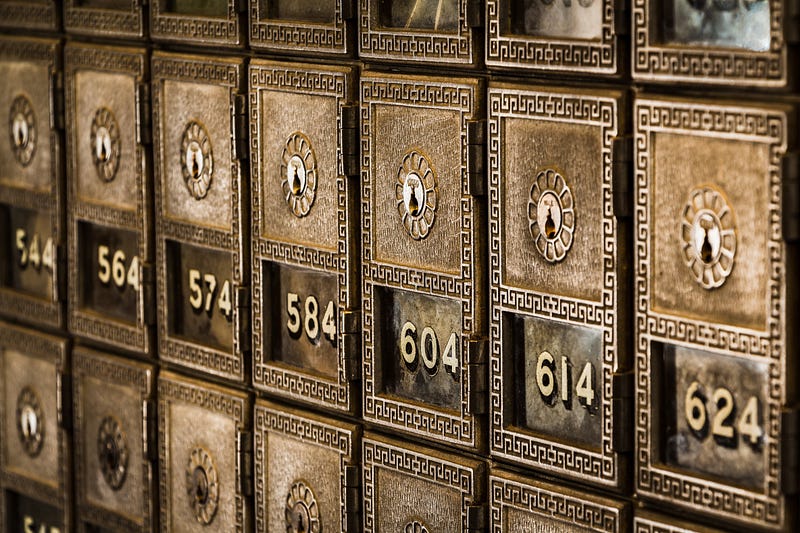
“Numbers on metal deposit boxes in a bank” by Tim Evans on Unsplash

Put Your Savings on Automatic

Anyone who has been following my writing knows I am a huge fan of automating my financial life. I always compare a budget to a diet. The best way to have success on a diet is to remove temptation by throwing all of the junk food out of the house. The best way to have success with a budget is to pay yourself first and remove all temptation by automating your savings.

You know how your employer automatically deducts your taxes off your pay cheque (so that you don’t have to deal with massive headaches at tax time)? This is exactly what I do with my savings. I went to my bank and set up 8 no-fee savings accounts (make sure you are not charged service fees for your savings accounts). If your bank is giving you a hard time about fees, read my previous post on how to negotiate those fees down.

Short-Term Savings AKA My “Money Buckets”

I look at these 8 savings accounts as my “money buckets”. It’s important to highlight that these 8 money buckets are intended for short-term savings. Meaning I use these accounts to save for a specific purpose (more on that in a minute). For my long-term investing and retirement savings, I have completely different accounts which are firewalled from these rest of my money buckets. One of the reasons I have these money buckets, is so that I never have to think about dipping into my investment accounts to cover a purchase or unexpected cost.

On the first of every month, I have set up the following Automatic withdrawals from my chequing account to the following 8 savings accounts/money buckets.

Car Fund- $250

House Fund- $200

Investment Property Fund- $200

Vacation Fund- $200

Emergency Fund- $100

Wedding Fund- $400

Future Child Fund- $200

Blogging Income- Whatever I made from writing on Medium the previous month

Car Fund- $250

Owning a car is extremely expensive, especially if you need to take out a loan to buy the car and pay interest on that loan. I have 1 year left on a 4-year car lease, which has a very good buy out price. The day I signed the lease, 3 years ago, I started putting $250 a month away, so I can buyout the car — in cash — at the end of my lease.

I can’t wait for this lease to be up, because after the buyout, I will have eliminated ALL of my consumer debt. That means my only debt will be attached to real-estate properties. Once the car is paid off, I will continue to put $250 away every month to ensure that I will NEVER have to take out a car loan again.

House Fund- $200 Each

Houses can be expensive and you never know when you are going to get a leak in the basement, have your roof blow off, or when your furnace will die on you. My wife and I do not want to have to refinance our mortgage to pay for unexpected house repair costs, so we each put $200 a month away into a house repair fund.

Investment Property Fund- $200 Each

Did I mention having a house can be expensive? How about having 2 houses. Rather than taking all the rent money from our investment property and buying crap that we don’t need, we each put away $200 per month into a repair fund for our investment property.

Vacation Fund- $200 Each

Don’t buy things you can’t pay for up front, INCLUDING THAT ALL INCLUSIVE VACATION TO JAMAICA. I mentioned that I never want to have consumer debt ever again. A great way to rack up debt is to pay for your vacation on your credit card if you do not have the money to pay it off immediately. That is why my wife and I each contribute $200 per month into our vacation fund every month. When it is vacation time, we choose a vacation that we can pay for in full with the money we have in our vacation fund. If we can’t pay for it out of the vacation fund WE DON’T GO. We don’t borrow money from the other money buckets just because “we want to”.

Emergency Fund- $100 Each

This is probably a lot less than most people, but, my wife and I have 2 reasons why we only put $100 away each per month into an “emergency fund”:

  1. We both have secure employment and;
  2. We have so much cash in all our other buckets, that if we did have a true “financial emergency” we could liquidate our other money buckets if we absolutely had to.

Wedding Fund- $400 Each

Did I mention cars are expensive? Do you know what else is expensive? WEDDINGS. My wife and I had been putting away $400 each per month into our wedding fund. I am happy to say we just recently got married. We were able to pay for the whole thing out of our wedding fund and even had a small surplus at the end. Now we each have $400 extra every month to play with. What do you think we should do with that money? Let me know in the comments.

Future Child Fund- $200 Each

Clearly, my wife and I are planners. Even before we started saving for our wedding, we knew we wanted to have a child (someday). We also know a child will bring a whole lot of new expenses with it and a period of reduced income while my wife is on maternity leave. So for well over a year, we have been putting $200 each into a fund to cover these future expenses. If and when a baby arrives we will be ready (at least financially)!

At the end of the month, once all my buckets have been filled and all my other living expenses have been covered, I throw whatever is left into my retirement and investment accounts.

How do you save up for short to mid-term expenditures? Do you implement a similar bucket system? Do you think this kind of saving strategy fits into your life? Let me know in the comments!

Blogging Income Fund- Whatever I Made from Writing on Medium Last Month

I keep money I earn from writing on medium separate from money I earn from my job, so I don’t get dinged at tax time.

Other Must Read Personal Finance Articles

This article is for informational purposes only, it should not be considered Financial or Legal Advice. Consult a financial professional before making any major financial decisions.

Money
Saving
Saving Money
Life
Personal Finance
Recommended from ReadMedium