
Why I Hate Being Called “Cute”
I have a love/hate relationship with the word “cute” — mostly hate though.
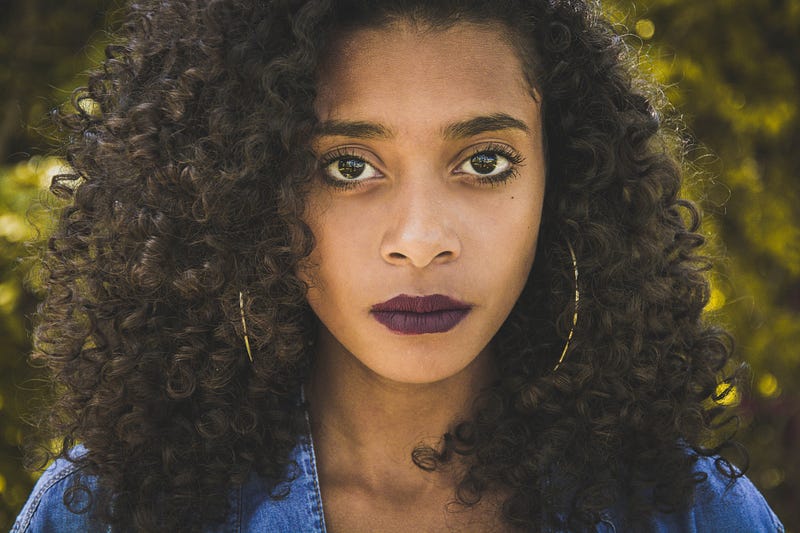
The word “cute” is for animals, babies, and those YouTube videos where they create tiny versions of real food — not grown women. As a child, I loved being called cute. Growing older, my feelings changed.
“Cute” seemed synonymous with mediocre. It was dismissive. I was neither stunning nor ugly. I straddled the fence in such a boring way no one seemed to care.
I yearned for the type of spotlight that was reserved for an out of the ordinary beauty — like Beyoncé.
Kelly, Michelle, But Never Beyoncé
Growing up as a Black girl in the 2000s, my friends and I constantly pretended we were an R&B girl group. We were The Cheetah Girls. We were Cherish. But, most often, we were Destiny’s Child.
Whenever roles were given out, I was always given the role of Kelly or Michelle. Never Beyoncé.
In the game of Let’s Pretend That We’re Destiny’s Child, who you are chosen to say a lot about who you are. The Beyoncés are the stars. They stand in front of the Kellys and Michelle's soaking in all the attention and adoration of the pretend crowd. The Beyoncés have the spotlight.
I was disappointed that my own friend group didn’t think I had the chops to step into Beyoncé’s sparkly heels and sing lead on “Lose My Breath”.
As I danced and sung in the background, I felt a sense of acceptance. I was jealous of our Beyoncé, but I concluded that this was where I was destined to be.
Cute people are supposed to be side characters, background dancers, fun best friends, etc. Beautiful people are the main characters, love interests, lead singers, like Beyoncé.
I accepted the role of a side character and chose to be the best damn side character there ever was.
I was always there to provide sassy commentary whenever my friends needed advice on school, boys, or what side to part their hair. I didn’t concern myself with whether guys liked me or not.
Why would they like me? There are beautiful girls with long, straight hair and perfect smiles all over school waiting to be fawned over. I had bigger fish to fry — like commenting on my friends’ outfits whenever they came out of the dressing room at Wet Seal.
I played my role well until I went to college and turned 18. I figured adulthood would manifest the glo-up into the Land of the Beautiful People™ I had been searching for my entire life. I was wrong.
How to Adult
Becoming 18 didn’t provide any benefits besides the ability to drown me in student debt. I didn’t receive the attention I craved from professors, guys, friends — anyone.
I spent the following years changing my appearance hoping to somehow stumble upon the look that’ll make me beautiful. I tried every hairstyle under the sun: crochet braids, box braids, wigs, buns, puffs, etc. I wore similar outfits to girls who were praised on social media. I lost a ton of weight.
Still, I kept hearing that word: “cute”.
Was I going to have to make a deal with Rumpelstiltskin to be considered out of the ordinary? At that point, I was ready to risk it all.
It took graduating from college and spending a lot of time alone to understand I had been approaching the “cute” problem the wrong way.
The Art of Glowing Up
I desperately wanted to mirror the world’s perception of “beauty” — at all costs. As a dark-skinned woman with thick, coiled hair, I had been fighting a losing battle since childhood.
I spent my morning mirror time as a child picking my appearance apart. I dissected all of life’s most important questions: Why I couldn’t break the “cute” glass ceiling? Why couldn’t people notice me? Why couldn’t I be Beyoncé?
I had never grown up with people that looked like me. Not only was I fighting a losing battle, but I was also fighting against the world with an army of one. It had tired me out. I was looking for external validation when I should have been looking internally.
As an adult, I spend a few minutes each morning looking at myself in the mirror and showering myself with compliments.
After decades of being tossed aside, it feels weird to receive so much love even if it is from myself. But, I know it’ll take time to replace feelings of self-doubt with self-compassion.
Choosing to love myself is a thousand times more fruitful than begging the world to love me.
Now, when I sing Destiny’s Child songs I sing all three parts: Kelly, Michelle, and Beyoncé. I figured that’s more reflective of who I really am, anyway.
Subscribe to my newsletter for a new, curated list of creative inspiration from people of color every week.
Nia Simone McLeod is a writer, content creator, and pop culture enthusiast from Richmond, Virginia. Follow her on Twitter, Tumblr, or Instagram for more dope digital content.


