
Why I Don’t Say Namaste In A Yoga Class
It’s not because I don’t honor the light in you
I don’t say Namaste at the end of class because it does not mean, “the light in me honors the light in you.” We’ll get deeper into that in a bit, though.
I am a white, able-bodied woman.
It’s important that I acknowledge where I stand in this conversation before I dive into a topic that contains a lot of intersections between race, ethnicity, history, and colonization.
I’m going to talk about some of the ways I have learned yoga has been colonized and whitewashed. It matters to me to educate others on these issues.
I care a lot about decolonizing yoga and not only amplifying the way we’ve made yoga more digestible for white people in the West but amplifying the voices of the South Asian and Desi community.
Let’s jump in.
Namaste
Does not mean, “ the light in me honors the light in you.” I did not grow up in India, so I have never had the lived experience of greeting someone this way. I do know that Namaste is a way of greeting someone with deep reverence.
If you’ve had other experiences with Namaste, let me know in the comments.
Many yoga teachers in the West, from the ones at my local studios to Adrienne Mishler of Yoga with Adrienne, end classes with Namaste without acknowledging or being aware of the cultural significance.
How else should I end a class?
Classes are beautiful when they are ended with an “om” chanted together. Say, “ thank you for coming to class.” My personal favorite was passed to me in the lineage of my teacher.
Lokah samastah sukhino bhavantu. May all beings be happy and be free ❤
What do I do if I don’t want to say Namaste, but that’s how my teacher ends class?
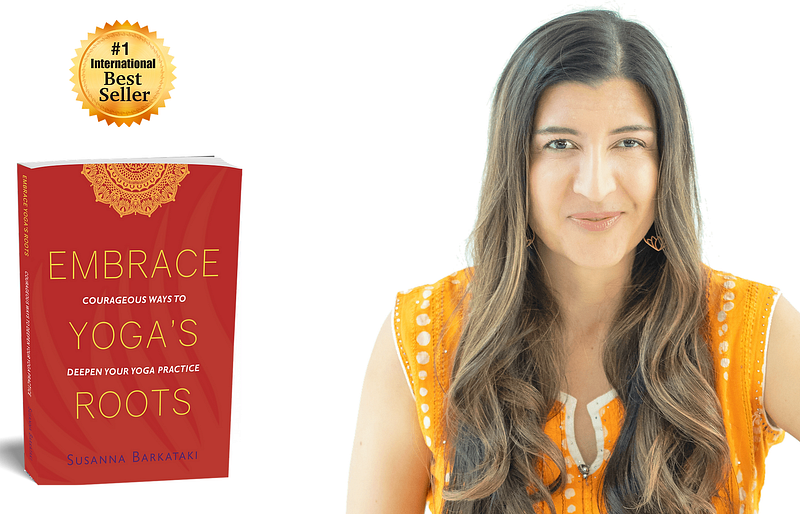
I personally reverently bow, without saying it back. If you’re feeling like uprooting systems of oppression, you could tell your teacher about “Embrace Yoga’s Roots” by Susanna Barkataki, an amazing book that goes in-depth on this topic- and many others.
Asana Hierarchy
“Asana”, literally translating to “pose”, refers to the physical part of the practice of yoga.
In yoga asana classes and in yoga studios, you’ll often hear phrases like this.
“Take the fullest expression of the pose”
“This is an advanced yoga class”
“You’ll get the most benefit from this pose if you …”
Yoga was created as a practice to be accessible to everyone. Everybody. Every body. You benefit from the practice simply by showing up as you are.
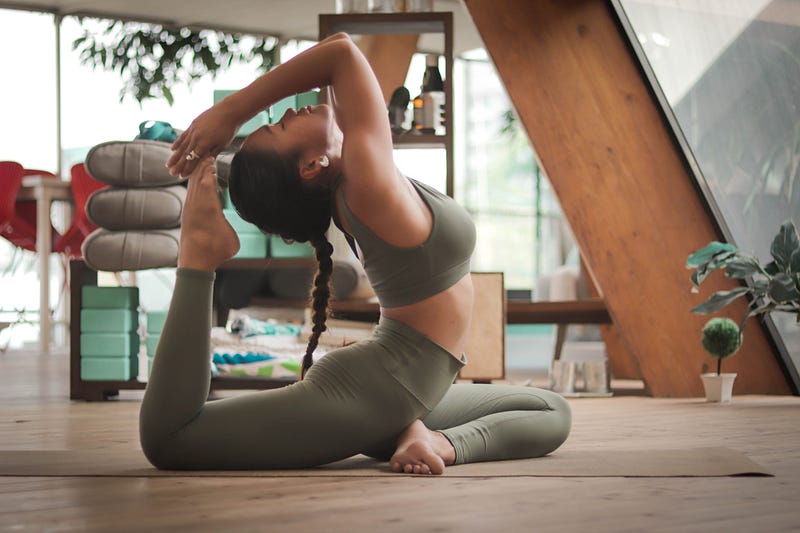
People think they can’t “do yoga” because the bodies we most often see doing yoga are skinny, white women whose feet are on their head.
As much as we emphasize tapas(discipline) in yoga, I’m interested in a class where every asana is available to everyone in some form and child’s pose is always an option.
I’m interested in a class where we honor alignment in our bodies, knowing that our Anjaneyasana (Crescent Lunge) will look different from our neighbors.
No one is “holier” or more enlightened than anyone else if they are in a wide-legged forward fold instead of a forearm stand.
Emphasis On The Physical Aspect
Asana is the 3rd limb of yoga. A lot of people are aware that yoga is a practice meant to help us reach enlightenment but still only seek it out for the physical benefits.
I started out my own practice only doing the physical part of yoga for 4 years. I knew there was more to yoga, but I didn’t know it was accessible to me. I felt so much better after doing physical yoga classes that I didn’t make it a point to seek out further yoga teachings.
When I started meditating, my life changed. The path of yoga has unfolded in ways I could only know through direct experience. My entire yoga practice has been a way of coming home to myself.
As a yoga teacher myself, I believe the responsibility falls on teachers and studios that train teachers to emphasize the importance of everything beyond the physical practice.
The physical practice is only meant to help us sit in meditation.
Yet, I go to class and see yogis forcing themselves to bend more. Move through injuries. Strain muscles. This is not what yoga is about. It is the way we have distorted yoga to make it digestible for a culture that only values productivity.
Honoring Yoga’s Roots
There are wonderful South Asian voices I will recommend at the end of the post who speak to this in ways that I cannot. I have not walked this world as a person of South Asian descent.
Yoga has a rich history that is illustrated in texts like the Yoga Sutras of Patanjali, the Bhagavad Gita, and the Hatha Yoga Pradipika, just to name a few.
So much of the richness of yoga comes from:
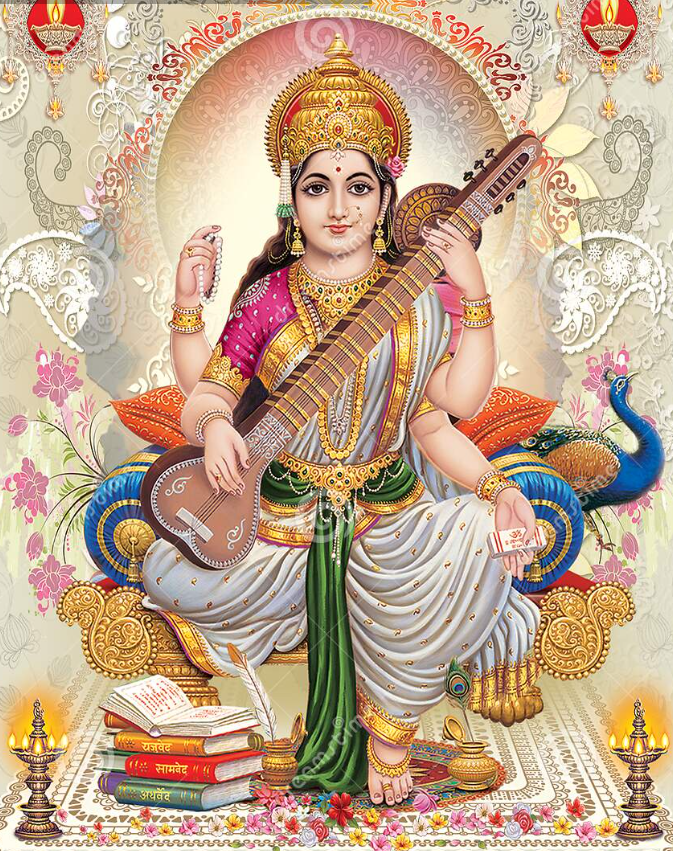
- the gods and goddesses found throughout Vedic/Yogic/Ancient Indian texts and their stories
- the language of Sanskrit
- teachings from the different lineages of yoga and the historic texts that gave rise to yoga(the Upanishads, Ramayana, Mahabharata, Vedas)
- accurate representation of the different facets of yoga, such as tantra/non-dual tantric Kashmir Shaivism
So much of this list you cannot find in most studios, save for the name of a pose in Sanskrit- maybe.
Recommendations
@YogaIsDeadPodcast with @tejalyoga and @yogawalla
@alchemystic_studio- Queer + Desi yoga studio
@skillinaction- Michelle Cassandra Johnson is a Black yogi and activist
I hope this article gave you a new way of looking at the practice of yoga and/or inspired you to ask some questions ❤
Song of The Day
In honor of Earth Day, enjoy this song by Beautiful Chorus 🌏
Thanks for reading! You can support a creator(me)here if you feel so inclined. I know you want to join my email list here, too! While you’re at it, follow Incomplete Puzzles to get content curated by yours truly.
Readers like you allow me to earn money off of my writing-and part of that comes from joining Medium. Commitment can be scary, but this one is worth it! You can use my referral link to sign up today.