
Why I Don’t Miss Being an Influencer
Things wanna-be influencers may not think about
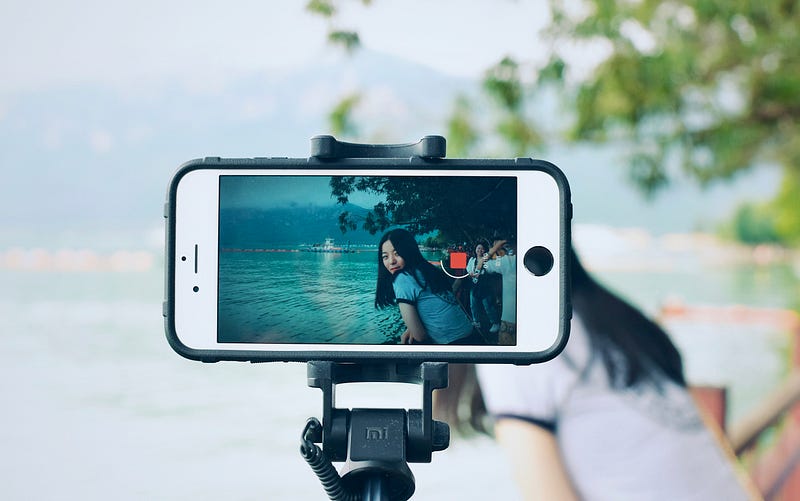
Back in the olden days of blogging, before these golden (or should I say titanium) days of modern blogging, the word “influencer” wasn’t a thing yet. I suspect most of us started our olden day blogs as a means to put down the pen and diary, and get our thoughts out into the real world.
We wrote from the heart about things we were passionate about. Surely there would be someone out there who could relate to us, no?
Nowadays, people launch blogs with the sole intent of becoming an influencer. They’ve kind of bastardized what it means to write from the heart, and instead, they write to be found. They write for numbers and for the almighty dollar.
If you blog long enough and do it within a tight enough niche, inevitably you’ll start influencing the decisions and actions of your followers, even if you don’t realize it’s happening.
Whether you have millions of followers, or just thousands, if they’re devoted enough they’re looking to you for what comes next.
What will you promote today? Where will you be going? What will you be eating? What are you trying that all the followers should also try?
Influencing people is such a sheep mentality, when you really think about it.
Luckily for the blogger, sheep are easy to lead. But sheep also have minds of their own and before you realize it, they’re the ones subconsciously leading you.
My blogging odyssey started as a travel journal. I was living my best life through my travels and felt really passionate about sharing my journey with others who might enjoy it and find some sort of amusement in it.
From the very beginning, I tried to be an educator. I felt compelled to let other travelers know how to get the most out of their own journeys, and I did it pretty much the same way I do life — with flair, humor, and plenty of mishaps.
It gave me great personal satisfaction to screw up and learn the hard way while traveling, and then tell others how not to screw up the way I did. I was perfectly willing to take one for the team because it would save them money, time, and aggravation in the long run.
What I didn’t know is that readers would eat that shit up for breakfast, lunch, and dinner. I accidentally became an influencer very quickly in my niche, which propelled me to keep doing it.
I admit, the notoriety was fun for a very long time, until it wasn’t.
It eventually became a weird sort of parasitic existence. Give them what they want and they’ll stick to you — then they stick to you so you keep giving them what they want.
Although it was a slow shift, it was a shift nonetheless.
I gradually gave way to giving the people what they wanted. My travel became more about them and less about my own fulfillment.
Don’t get me wrong, I LOVED experiencing life and writing about it but eventually it became more about capturing the perfect picture and the perfect story. I constantly thought about how I could perfectly present my experiences to the world.
Rather than having an incredible travel day and going to bed fulfilled, I’d stay up late and craft the story, edit the photos, put together the videos, and let’s not forget — optimal SEO.
The readers all knew where I was and they were waiting for a story every step of the way.
So who was this really for, anyway?
My inbox overflowed.
When you’ve got the knowledge others want, they don’t hold back. They’re all up in your business asking for it.
It was never a big deal when one or two people emailed me asking for advice, but it became a huge deal — and a colossal time waster — when thirty people emailed me asking for the same thing.
I didn’t mind giving occasional guidance but when their emails began asking for advice about their long distance relationships, or how to move to a new destination, it got overwhelming.
I couldn’t have cared less about that stuff. I was a travel writer, not a relationship counselor, nor a relocation specialist.
But once you’re an influencer, you can’t just tell your readers to fuck off and respect your boundaries. Believe me, that would spread like wildfire. Faster than your latest SEO-driven story even.
It would damage your reputation.
The people wanted to be where I was.
Not only did they want to be there but they WERE there.
If you want to keep readers engaged on social media of course you’re announcing where and when you’ll be traveling. It’s called dangling carrots. But suddenly they started ripping the carrots off the line.
They’d show up and expect me to want to meet up.
Let me clarify that I DID meet with a considerable number of my readers over the years, and several of them have turned into lifelong friends and “family” of sorts. So there’s that. It was a genuine perk of the trade and I don’t regret for one minute, meeting those select few.
But I couldn’t do it for everyone, not if I wanted to keep a schedule or my bank account intact. So then it turned into a trail of rejections I had to dish out.
There was one of me and hundreds of them. Jaunting around to meet them all couldn’t possibly be a sustainable plan.
Censorship.
This was one of the most difficult ones for me because my travel blog was written from a very personal viewpoint and my experiences weren’t all unicorns and rainbows.
In the beginning I used to tell it exactly how it was, but then came professionalism.
Once you’ve attracted sponsorships and built business relationships you can’t just tell it like it is anymore. Simply put, you can’t be an asshole in your writing, even if you desperately want to sometimes.
As an influencer, you’re consistently trying to attract more business relationships because it benefits you. So your words slowly become tailored for someone else, not so much for yourself anymore.
The idiots.
Believe me, there were many. I used to just sit back in bewilderment at how many people don’t realize they’re reading a personal blog, and not a corporate website.
If I wrote about an accommodation, I got reservation requests in my inbox.
If I wrote about a retail establishment, I’d get resumes sent to my inbox.
If I wrote about a tourist attraction, I’d get emails asking for group rates.
And the list goes on.
I used to laugh to myself over the resumes though. If the applicant wasn’t smart enough to realize that a personal travel blog isn’t a corporate website, how on earth are they smart enough to get a job?
The freeloaders.
By far, these were the most aggravating to deal with. The ones who wanted free advertising, free publicity, and free promotion….for nothing in return.
I wrote a shit-ton of reviews on my blog, some were solicited and some were not. The unsolicited ones were just random places I’d try out in my travels and then write about them. The solicited ones were either businesses who reached out to me or businesses I reached out to.
We made mutual business arrangements.
I never once promoted a business I hadn’t personally experienced. I didn’t see it as ethical and I never wanted to steer my readers wrong.
Enter: The freeloaders. They’re the hundreds upon hundreds of email requests I received asking for promotional posts, social media shout outs, and referrals to services I’d never even used before.
I’m all for supporting the little guy in their endeavors but how many taxi driver’s phone numbers can I shout out? And what was in it for me besides extra work?
I developed an intense dislike for piggy-backers. Those who want to ride on the coat tails of someone else’s hard work without offering something in return.
As I scroll to the top and read back over this a hundred times in a row, I feel like it makes me sound more bitter than grateful for my experiences as an influencer.
That is certainly not the case.
The freedom, the perks, and the learning aspects trump the downsides by far. It was a super-fantastical existence for those ten years, but the overwhelm became too great.
These are the hidden pieces of influencing the masses that other influencers don’t tell you about, probably because they’re too busy flaunting their perfect lives all over the internet. I know this because I did it too.
Unless you’re a six-figure blogger and have an administrative staff, there’s a LOT more behind-the-scenes work (and fuckery) than I ever intended to deal with, way back when I started out.
So I walked away with my sanity and my reputation intact.
The tagline for my long running blog was:
“If you need a map, you’re doing it wrong.”
In the greater sense of that tagline, maybe I was doing influencing wrong. Maybe I wasn’t. I’ll never claim to know what goes on behind the scenes for other influencers.
Clearly, some of them love the limelight more than I did because they all seem to be selling “road maps” for how to do it right.
As for me, I just had a passion I wanted to share without all the road maps.
If you enjoyed this story, here’s my non-intrusive way of ushering you toward my newsletter. When you subscribe, I’ll know you’re cool with hearing from me once in a while.


