
Why I Am No Longer Obsessed with Eating Healthy
Yes, it was a different type of eating disorder.
It all started in my senior year in high school. Wow, I cannot believe it has been that long.
I was a teenager. Just like many teenage girls of my age, I loved to browse social media, online blogs, fashion, and health magazines. I was self-conscious of my body image, cared about my grades, and constantly compared my own lifestyle with others’.
I had always been a chubby kid, but never overweight. I enjoyed my everyday afterschool junk food snacks, hanged out with my friends at McDonald's, and attended occasional birthday parties at all-you-can-eat pizza buffets.
My Intention Was Simple, So Was My Plan.
At the start of my senior year in high school, I knew I would go through a lot of stress studying for a prestigious college. I wanted to put nutritious food in my body to help me power through those early mornings and late-night study sessions. I wanted to look pretty and fit to date those cute smart college boys, once I get into a good university.
I read online that unhealthy junk food is really bad for health. They could make me feel heavy, fatigue, lack energy, and even gives me acnes.
I also read online that ONLY whole foods, non-processed foods, paleo foods are good for me.
Does it sound familiar? I am sure you have read it too.
Here is my plan. It is a quite simple plan — to eat ONLY healthy food, with the intention of living healthy and looking good.
When Eating Healthy Became an Obsession
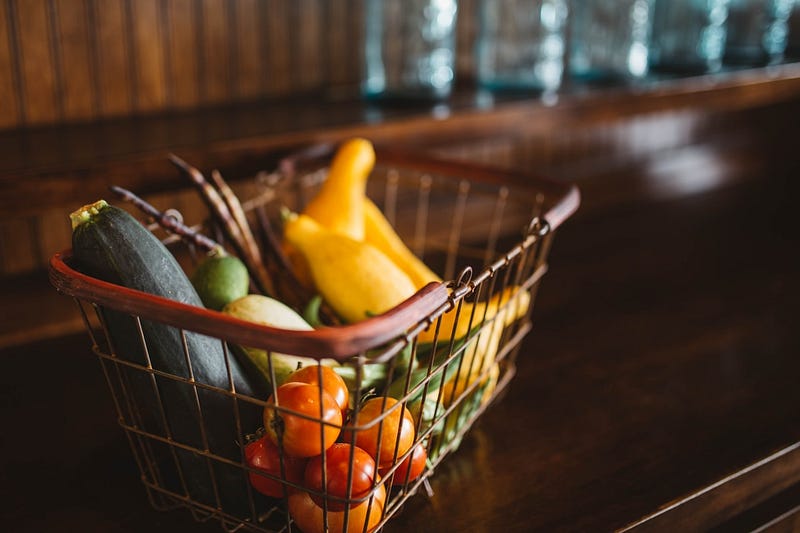
- The Obsession of Eliminating Unhealthy Food. To execute my plan of eating healthy, I first threw away ALL of the cookies, chips, even instant coffee bags that I found at home. I wanted to eliminate any temptations to any unhealthy snacks.
- The Obsession of Everything Non-Processed. Instead of eating any packaged food, I tried to eat everything “whole”, such as eating potatoes instead of bread or rice, because bread and rice are considered “processed” as opposed to potatoes that are “wholely” and “natural”.
- The Overlook of Micronutrients and Calorie Counting. I learned about the importance of macronutrients in biology class. I read it online in every fitness blog — the macronutrient food groups: protein, fat, and carbohydrates. To make sure I eat a “balanced meal”, I tried my best to eat lean meat, potatoes, vegetables, and fruit.
- Ironically, unlike being on a diet, I did not count my calorie intake each day. I was not aware that potatoes are more filling but have fewer calories compared to bread and rice. I ended up eating only an average of 400 calories per meal, 1200 calories per day. Nonetheless, I still kept an active lifestyle. I ran or swimming frequently, burning an average of 1800 calories every day. As a result, I was undereating for a long period of time without even realizing it.
- I also did not pay attention to micronutrients such as vitamins and minerals. Vitamins are necessary for energy production, immune function, blood clotting, and other functions (see healthline.com). These micronutrients were not always discussed by fitness bloggers and lifestyle influencers. Most articles were about how to manage macros, making sure I have all three food groups represented in my diet. Little did I know about the risk of micronutrient deficiency when eliminating food from my everyday diet.
As a Result, I Lost Too Much Weight. Yes, TOO Much

I lost a lot of weight, too much.
At first, I was happy to shed some excessive weight. I was chubby. By losing a fraction of body fat, my toned muscles started to show. I was excited, happy, and thrilled. Eating healthy and eliminating all the processed food actually worked out for me.
However, my weight loss did not stop. I continuously lost weight to the point that I only weighed 85 lbs (less than 39 kg).
I am not tall, only 162 cm (a little over 5' 3'’). But I worked out a lot. A big portion of my weight was muscle mass.
My body fat percentage was far too low compared to what is considered healthy for women — 14–20% for athletes and 21–24% for fitness (see healthline.com for the chart).
I was confused about why I kept losing weight after I reached my ideal healthy weight. I ate all the macro food groups recommended by online articles.
More importantly, I lost my period, for almost a whole year.
I was not aware that I underate for the entire year. Lean meat, vegetables, and potatoes contain fewer calories compared to my previous “normal diet” that contained processed meat, rice, bread, and chips.
In addition, according to AFPA fitness, low body fat (below 12 percent), stress, and a high protein, low-carbohydrate diet can disrupt the menstrual cycle.
I never knew “eating extremely healthy” could do more harm than good to my health. While most influencers and blogs advocated for eating healthy and preventing diabetes and obesity, rarely did I hear about how dangerous it is not eating enough.
When Healthy Eating Becomes an Obsession, It is No Longer Healthy

Instead of enjoying my last few months with friends in high school, I went from doctors to doctors seeking treatments to get my period back. My doctor said my health issues were due to a combination of stress, extremely low body fat, not eating enough calories, and potential micronutrient deficiency.
I was put on on hormone treatment, which caused me to gained 35 lbs within a period of three months. I became extremely bloated and got stretch marks by gaining weight too fast. None of my clothes fit anymore. Some people on the bus even assumed I was pregnant and asked me if I wanted their seats.
While being on medication and injection as my treatment, due to the rapid hormone changes, I had severe depression and relied on antidepressant medications to prevent suicidal thoughts.
My friends and teachers in school also noticed the rapid change in my body. They had questions. I felt ashamed and vulnerable. As a result, I isolated myself from everyone. Of course, it did not help my mental health either.
The hormone medication made me tired, fatigued, sleepy, feeling down. The effect of treatment did not go away after I stopped the medication. I gained some energy back, but still felt depressed and had bad insomnia for another three months.
I did not lose the weight I gained during medication until a year later. I was laughed at, made fun of, and ashamed for my weight during my first year in college.
I kept asking myself, why did this happen to me?
All I did was to follow health magazines and online fitness blogs to become more healthy. I eliminated the “bad food” and only ate “whole foods” for months. I was supposed to feel refreshed, energetic, and fit.
Little did I know, when healthy eating becomes an obsession, it is no longer healthy.
We all do different physical activities during the day. We are also born with different metabolic rates. What works for others may not work for me. It was irresponsible of me to follow a health and fitness trend without educating myself on the fundamental knowledge of health and nutrition.
In college, I purchased textbooks for nutrition and dietitian. It was not my major, but I wanted to learn for the sake of my own health and well-being. I educated myself on calorie calculation, macro and micronutrition, and food preservation. Since then, my weight has been steady, and my fitness performance has improved as well.
Stop Pushing Restrictive Diet to Teenagers, Education about Nutrition Instead
Turns out that I was not alone.
An increasing number of people have shared their similar experiences online — loss of period, developing health issues, and nutritional deficiency, most of whom are teenagers and young adults.
Teenagers go through a stage of both physical and identity development. During this stage, they become more aware of body changes and physical attractions. They look for role models that they identify themselves with — lifestyle, culture, appearances, sexuality, and so on.
Without abundant life experience and thorough education, teens may not always have the best judgment before following online health trends.
I do not doubt that certain diets and lifestyles have helped individuals to lose weight and become healthy. I also understand the hype and excitement influencers and bloggers have to share with their audience what has helped them. But we all have different bodies. What worked for others may not work for you. Anecdotal stories from celebrities are not the same as scientific evidence gained through systematic inquiry of research.
Instead of promoting a certain type of diet or lifestyle, we should educate people on how our bodies work — what is considered to be healthy; how many calories we need to eat; what nutrients are missing from our existing diet.
Talk to a doctor before trying any restrictive diet or changing lifestyle dramatically. Our health conditions should be monitored through lab work and doctor checkups, rather than taking online surveys self-diagnosis.
I am no longer obsessed with eating healthy, for good.


