
Why Houses in Canada Are So Expensive
The problems with the Canadian housing market
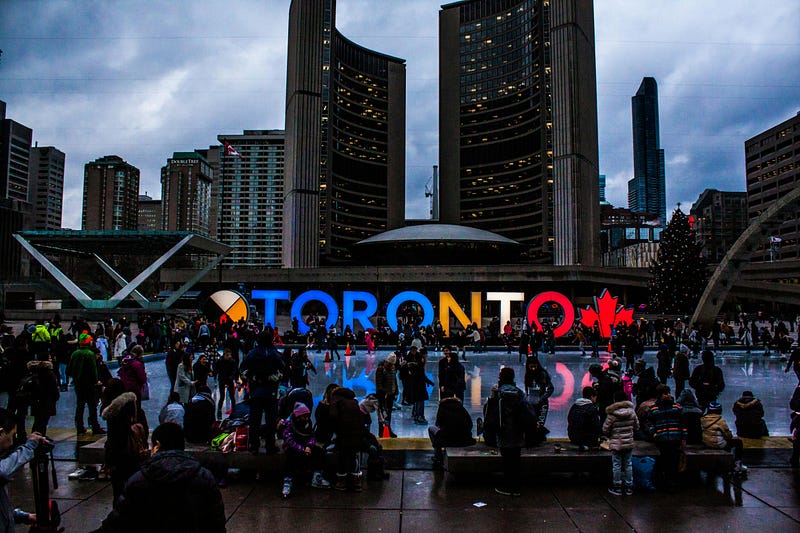
Canada is the world’s second-largest country by land size; however, it doesn’t have enough houses for its 40 million residents.
This scarcity of houses paired with Canada’s generous immigration policies that accept 500,000 new immigrants annually has created the worst housing bubble of all time.
Following basic laws of economics, a limited supply combined with a growing demand for housing has led to a continuous rise in prices. From 2010 to 2022, house prices in Canada have soared by an astonishing 90%, with the average price reaching $638,000 in 2022. In contrast, the average price of a house in the United States sits at $417,700, significantly lower than its Canadian counterpart.
Note: All dollar values in this article represent the United States dollar.
The problem with the Canadian housing market, however, does not end with high prices. It extends to an unfavourable house price-to-income ratio.
House price-to-income ratio measures the affordability of houses in a country. It compares the average house price to the average income of a country’s residents.
In 2023, with a median income of approximately $52,000, Canada had the worst house price-to-income ratio of all developed nations at a staggering 11.07. This means the average Canadian would have to spend 11 years’ worth of their full income to own a house.
Exacerbating the burden, the typical mortgage payment consumes an alarming 103.23% of the average Canadian’s income, well above the recommended limit of 28% for housing costs.
In comparison, the United States boasts a far more manageable house price-to-income ratio of 3.41, owing to relatively cheaper housing and higher incomes. Consequently, the mortgage as a percentage of income stands at a more reasonable 30.6%, closer to the recommended threshold.
To most people, a simple and logical solution to Canada’s housing problem is to build more homes. But after a decade of building, the Canadian housing bubble has only grown worse.
In this article, I will explain why houses in Canada have become so expensive over the years, and why building more homes hasn’t solved Canada’s housing problem.
Canadians Are Shooting Themselves in the Foot
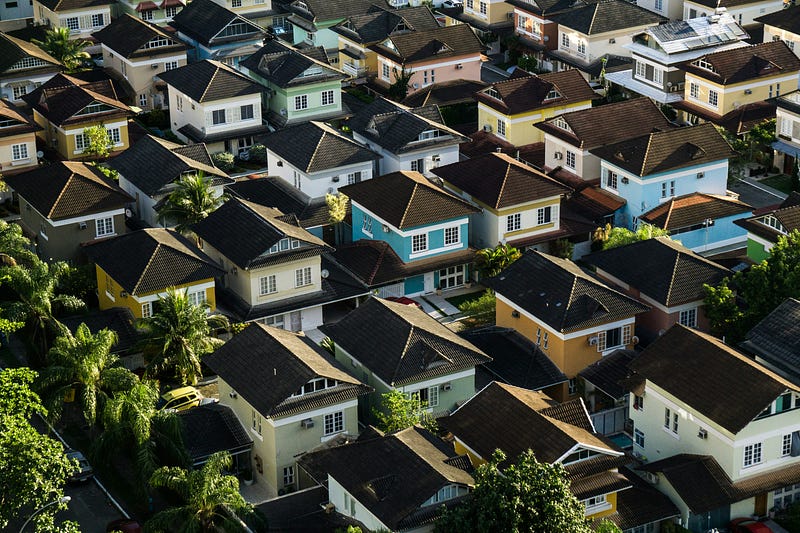
Canadians tend to favour low-risk investments with stable returns. As such, a common practice is to channel their excess wealth or savings into residential real estate, by purchasing additional properties for investment purposes.
Rather than starting businesses or buying stocks, many Canadians opt to invest in secondary homes with the intention of renting them out or selling them at a later date for potential capital gains.
This investment culture may seem acceptable at first glance; however, it leads to more harm than good for the Canadian housing market in two ways.
First, this investment culture fuels competition between existing homeowners and prospective buyers for the limited housing supply. Canadians who already own homes purchase additional properties as investments, effectively competing with those seeking to buy their first home.
This inflates demand beyond the actual need for primary residences, as investors contend for the same properties as those looking to secure a place to live.
When this artificially heightened demand intersects with the constrained supply of available housing units, it pushes prices up, making homeownership increasingly unattainable for many Canadians.
Approximately 20% of all properties in Canada were purchased as investments, predominantly by Canadian residents. Also, 37.9% of condo units in Toronto, Canada are not owner-occupied, meaning they are either vacant, rented out, or used as second properties.
While buying an additional house may benefit the individual, collectively this behaviour hurts housing affordability for all. By viewing houses as a path to profit rather than a basic need, Canadians have distorted their housing market.
Second, because many Canadians have their net worth tied to the value of their properties, they tend to oppose the development of more housing units as this will reduce the value of their properties.
Canadian homeowners fiercely resist any housing development projects that can reduce the value of their own homes, delaying the development of duplexes or triplexes that could reduce the value of their single-family homes.
A Faulty Immigration System
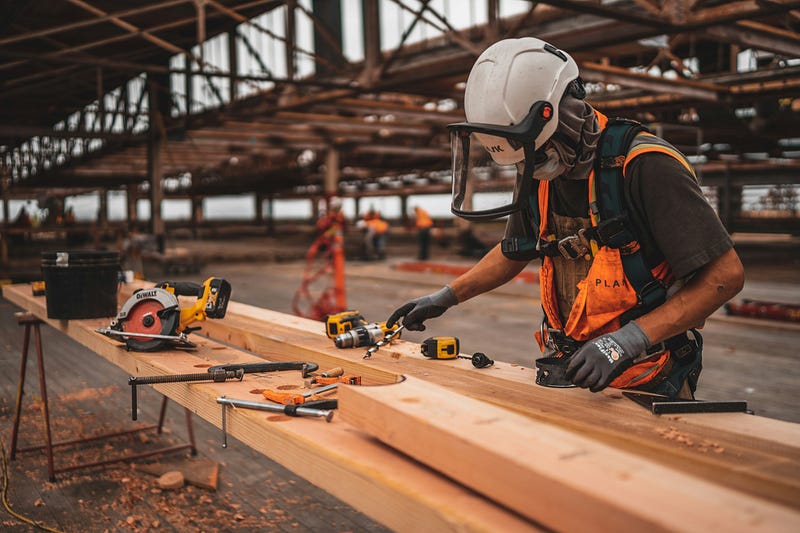
Many Western countries, including Canada, have an ageing workforce and a low birth rate which leads to reduced economic output over time.
In 2022, the Canadian government announced it would accept 500,000 new immigrants annually to join the Canadian workforce, bringing in young and skilled labour to boost its economy.
This immigration policy is an effective way to moderate the effect of an aging population on the labour force. Due to poor planning and execution, however, it became a significant driver of the country’s skyrocketing home prices.
Housing is a fundamental human necessity, and Canada’s robust immigration policies have contributed to an escalating demand for residential units. In 2022 alone, Canada welcomed 437,180 immigrants, some of whom arrived as families.
However, the housing supply has failed to keep pace with this influx and the growing demand from other segments of the population. Only 219,942 new housing units were added to the market in 2022, a figure that falls short of the estimated annual demand of 300,000 to 350,000 units needed to accommodate both immigration and the formation of new households by Canadian residents.
This disparity was further exacerbated by the undersupply of housing in previous years, with an estimated shortage of 1.4 million homes across Canada. Even accounting for multi-person households among new immigrants, the combination of robust immigration levels, growing demand from young Canadians seeking their own homes, and the lingering effects of years of underbuilding has created a significant supply-demand imbalance in the Canadian housing market, driving prices to unprecedented levels.
Why aren’t Canadian developers constructing more housing units? The challenge lies in the shortage of essential blue-collar workers such as carpenters, bricklayers, and plumbers. Canada’s rapidly ageing population has led to a fall in individuals with the necessary skills to build houses at the required scale.
While Canada is actively bringing in immigrants to address its ageing workforce problem, a critical flaw in its immigration system emerges.
The Comprehensive Ranking System, used for immigrant selection, favours individuals with higher education, advanced degrees, and established white-collar careers. Overlooking individuals with carpentry, masonry, plumbing, and electrical work skills which are essential for housing development.
Therefore, the immigrants entering Canada under the current system are not contributing to the construction of new homes, only worsening the housing affordability crisis.
Lots of Foreign Capital
A significant factor driving up home prices in Canada is the influx of foreign investments into its real estate market. Overseas investors, some engaged in illicit activities like money laundering, acquire a vast number of properties, inflating prices, and making homeownership unattainable for many Canadians.
In 2019, a Canadian court revealed that $5.3 billion of illegal funds from the sale of hard drugs in China was laundered through the Vancouver, Canada real estate market, contributing to a 5% increase in housing prices. Another report states that from 2008 to 2018, shell companies, with no identifiable owners, made $20 billion worth of real estate investments in Canada.
Globally wealthy elites view Canadian real estate, particularly in Toronto and Vancouver, as a secure and profitable investment due to stable interest rates, strong property rights, and few restrictions on foreign buyers.
While foreign investments boost Canada’s economic output, it simultaneously harms its housing market by reducing the supply available to Canadian residents, pricing them out.
Canada has taken steps to address these issues, such as British Columbia imposing an additional property transfer tax on foreign buyers and implementing more transparency rules. However, policy gaps persist, with real estate transactions facing minimal anti-money laundering checks.
For example, international students with no documented income have been known to make multimillion-dollar cash purchases of Vancouver mansions, distorting prices, while rarely facing investigation.
Possible Solutions to Prevent a Housing Bubble Burst
Addressing Canada’s housing affordability crisis will require a multi-faceted approach to rebalance the supply and demand dynamics in the market.
Firstly, there needs to be a cultural shift in how Canadians view real estate. Rather than speculative investment vehicles, homes should be primarily regarded as dwellings for families. To do this, the government can offer tax benefits to Canadians who invest in productive economic sectors like technology and entrepreneurship over real estate.
Canada’s immigration system also requires reforms to prioritize immigrants with skills directly applicable to construction. This would help alleviate labour shortages that have constrained housing supply amidst rising demand from population growth.
Furthermore, regulatory oversight of foreign capital inflows into the Canadian housing market must be strengthened. Rigorous anti-money laundering measures and transparency requirements could mitigate the distortionary effects of speculative foreign buying and illicit fund flows on home prices.
If left unaddressed, the supply-demand imbalances will only exacerbate affordability issues. Ultimately, this raises the risk of a housing bubble burst that could trigger a credit crunch, dampened consumer spending, and economic recession in Canada.