
Why Hasn’t Elon Musk Been Investigated for Treason for Allowing Starlink’s Use by Russia?
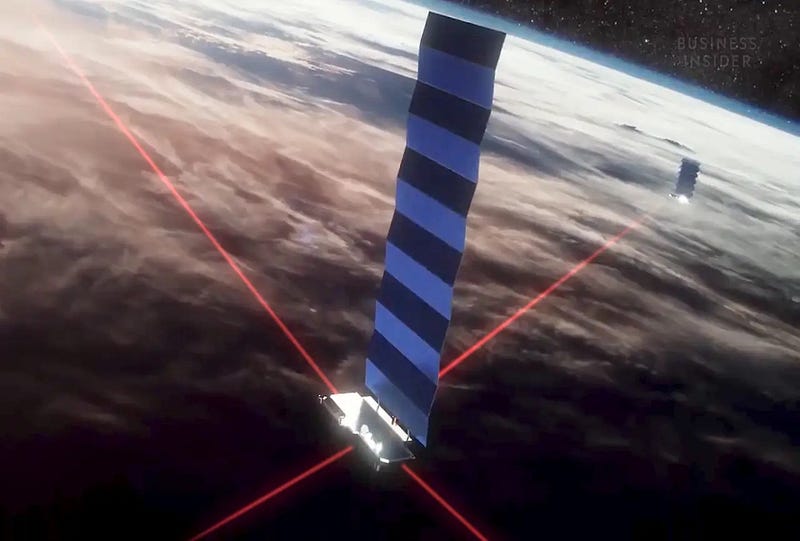
In a significant development in the Ukraine-Russia conflict, it has been revealed that Russian occupying forces are using thousands of Starlink satellite communication terminals. These terminals, products of Elon Musk’s SpaceX, are known for their high security compared to traditional communication methods. Kirilo Budanov, the head of Ukraine’s Military Intelligence Service, disclosed this information to the Wall Street Journal in an interview published on February 15. The Pentagon, recognizing the strategic value of Starlink, made a deal last year to financially support the Ukrainian military’s access to these services. Ukraine has become heavily reliant on Starlink, with reports last year indicating around 42,000 terminals in use across the military, hospitals, businesses, and humanitarian organizations, marking a stark contrast to the previously less secure communication systems of the Russian forces.
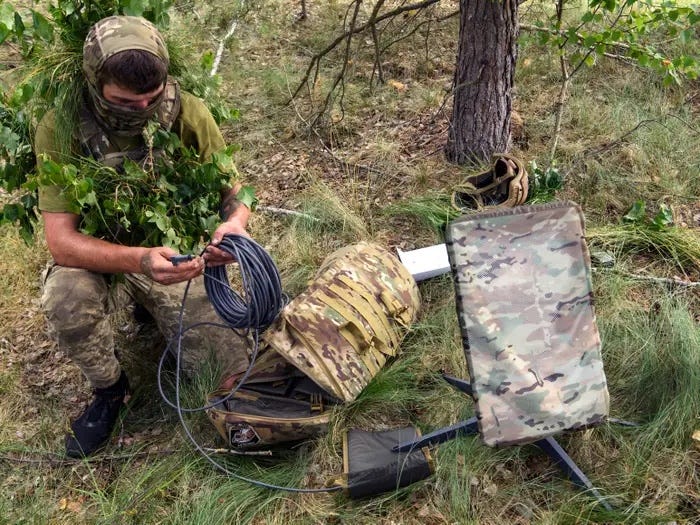
Budanov revealed that private Russian companies are acquiring Starlink terminals through intermediaries who falsely declare the purchases for personal use. This equipment is then smuggled into Russia via neighboring countries, including former Soviet republics. This strategy underscores a deliberate effort by Russian military units, down to the company level, to secure these terminals, pooling resources for their acquisition. The significance of Starlink’s operation in occupied territories, as mentioned by Budanov, suggests a prolonged and sophisticated use of these systems by Russian forces, although specific details were not provided. The Ukrainian Military Intelligence Service, known for its operations often behind enemy lines, emphasizes the advanced level of engagement in this digital warfare component.
Starlink’s statement that it does not conduct business in or with Russia, juxtaposed with the confirmed use of its system by Russian troops in Ukraine, highlights the complex challenges of technology control in conflict zones. The security advantages that Starlink provides could offer Russian forces more secure and difficult-to-intercept communications, as noted by retired British Army General Ben Barry. This development points to a significant shift in the warfare dynamic, emphasizing the crucial role of secure communication on the battlefield and the strategic implications of satellite communication technology in contemporary military operations.
A quick heads-up: Medium’s been tweaking its algorithms and it’s getting trickier for my stories to land in your feed. So, if you enjoy my work, please make some noise! Hit that clap button, light up the highlights, or drop a comment. Every interaction helps keep the stories flowing. Thanks for your support!
As the conflict unfolds, the utilization of Starlink terminals by Russian forces reveals the evolving nature of warfare, where technological supremacy can significantly impact strategic and tactical decisions. This situation not only illustrates the innovative approaches to overcoming communication challenges but also raises questions about the intersection of private technology companies and military engagements. The ongoing struggle for technological advantage in the Ukraine-Russia war underscores the importance of secure communication systems in shaping the outcomes of modern conflicts, highlighting the critical role of satellite technology in the broader geopolitical landscape.

The utilization of Starlink satellite communication terminals by Russian forces in Ukraine, as disclosed by Kirilo Budanov, head of Ukraine’s Military Intelligence Service, presents a paradox in the realm of international defense and corporate ethics. Despite Elon Musk’s SpaceX, the parent company of Starlink, being an official federal defense contractor, there appears to be a tacit allowance for its services to be utilized by Russian military units. This situation raises profound legal and ethical questions, especially given the stringent sanctions imposed on Russia by the United States and its designation as a declared enemy.
The technical capabilities of Starlink’s network, heralded for its high-security features, imply that the activation and operation of these terminals by Russian forces should be readily identifiable. The potential for SpaceX to disrupt, disable, or even monitor the data flow from these terminals exists, yet reports suggest this has not been actioned. Such inaction is starkly at odds with U.S. law, which strictly prohibits any form of support or aid to entities or countries under heavy sanctions for engaging in hostilities against the United States or its allies. The fact that Starlink’s services are being exploited by both sides of the conflict not only undermines the sanctions regime but also raises the specter of dual allegiance, which could be construed as tantamount to high treason should deliberate measures not be taken to restrict access to these communication tools.
The scenario is unprecedented: a defense contractor indirectly facilitating the military operations of a nation deemed an adversary of the United States and its allies. Imagine if traditional arms manufacturers like Lockheed Martin or Northrop Grumman were to supply weapons systems to Russia – would this not provoke a strong reaction from the U.S. government, finding it utterly unacceptable? Such actions would be unequivocally condemned and subject to the severest penalties under U.S. law. The question then arises as to why similar scrutiny and sanctions have not been applied to SpaceX, given the clear implications of its technology’s usage on the battlefield.

This situation underscores a critical oversight in the regulation of private entities operating in the defense sector, particularly those providing services that can be exploited by adversaries in conflict zones. The global reach and technological sophistication of satellite communication networks like Starlink offer unparalleled advantages in warfare, making the control over their use a matter of national security. The United States and its allies must confront this challenge, ensuring that Western technology does not inadvertently bolster the capabilities of those engaging in actions contrary to international law and peace.
The U.S. government’s response to this predicament will be closely watched by allies and adversaries alike. It sets a precedent for how the international community manages the complex interplay between private sector innovation and national security imperatives. Ensuring that companies like SpaceX adhere to the legal and ethical standards expected of federal defense contractors is imperative. This includes taking decisive actions to prevent their technology from being exploited by sanctioned states or entities engaged in hostilities against the U.S. and its allies.
As the Ukraine-Russia conflict continues, the strategic implications of satellite communication technology use by adversarial forces must be addressed. It is a matter of both national security and international stability that entities like SpaceX are held accountable for the end use of their technologies in conflict zones. Preventing the misuse of Western technology in ways that could prolong or escalate hostilities is paramount. The international community must not allow the capabilities of the modern battlefield to be enhanced by the very innovations designed to secure peace and uphold the rule of law.
In conclusion, the situation demands a reevaluation of the oversight mechanisms governing the intersection of private sector technology and national defense. It is a call to action for policymakers, defense analysts, and corporate leaders to ensure that advancements in communication and satellite technology serve to promote security and peace, not exacerbate conflicts. We encourage readers to engage in dialogue and debate on this critical issue, emphasizing the importance of accountability and ethical responsibility in the defense sector. Clap and comment below to share your views and contribute to this vital discussion.