
Why Gratitude Is The Key To Experiencing Happiness
The answer is short and sweet
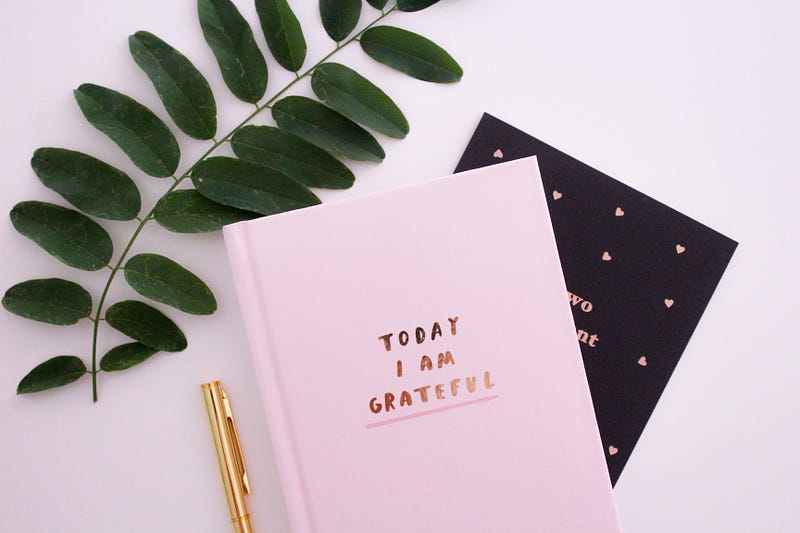
It’s kind of a platitude that an attitude of gratitude is the key to happiness, but just because something is a rhyming cliche doesn’t mean it isn’t also true. The reasons for this are very concrete and succinct.
- You will never truly appreciate something new if you don’t appreciate what you already have.
- Being in touch with what you do have gives you the inner resources to face new problems or tackle new goals.
If you are always chasing the next big thing, and never satisfied or appreciative of what you have, happiness is always something out there in front of you, and you will never arrive. You cannot have the experience of happiness if you believe it is something concrete to be attained. In other words, it’s a journey, and not a destination. This applies to more than material things; achievement, relationships, and experiences fall into this category as well.
When looking at a problem or goal, we tend to focus on how much further we have to go rather than how far we’ve already come. This can leave people feeling discouraged or overwhelmed. But when you look at what you’ve already got, even if it’s just greater clarity about what the problem actually is, it means that you have more inner resources to draw upon to work on the rest. If you aren’t so stressed out or overwhelmed, you have a better chance of thinking clearly about how to move forward.
It is relatively easy to be grateful for things going smoothly, praise, achievement, or good fortune. But notice how your world begins to shift when you start being grateful for the things that most people around you take for granted — clean running water, a roof over your head, a nice, hot cup of coffee, a smile from a friend. This is where the experience of happiness really starts to bloom.
Deeper level gratitude means you can even see the value in the challenges you face; you can see what you are learning by figuring out how to deal with a difficult person or by navigating through a storm. Instead of asking, “Why is this happening to me?” you can begin to ask yourself, “What is this for — what does it offer me?”
In the moment, you may be angry, scared, frustrated or whatever authentic human emotion you are actually experiencing, but as you cultivate the practice of finding things to be grateful for in nearly every situation, you begin to live in place where happiness is not contingent upon a certain ideal set of circumstances. And since ideal circumstances are rare and fleeting, this means that happiness is available a lot more of the time.
Joy is not a constant. It comes to us in moments — often ordinary moments. Sometimes we miss out on the bursts of joy because we’re too busy chasing down the extraordinary moments. Other times we’re so afraid of the dark we don’t dare let ourselves enjoy the light. A joyful life is not a floodlight of joy. That would eventually become unbearable. I believe a joyful life is made up of joyful moments gracefully strung together by trust, gratitude and inspiration. ~Brene Brown


