
Why Future Generations Are Gonna Need Rappers Like Ice-Cube
Having someone storytelling the brutal reality of life is not an option, it’s vitally important.
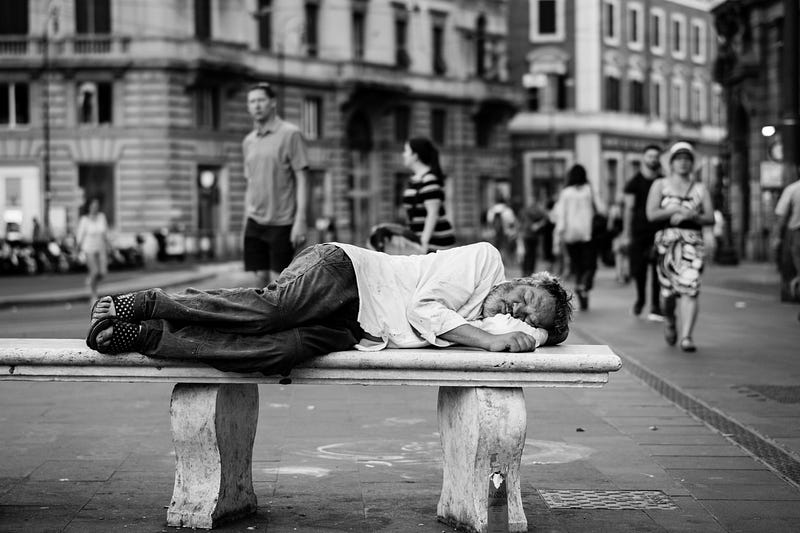
This story starts with my father. Dad was born in Italy in 1949, his sister in 1945. His father was a black American soldier and his mother a white Italian woman. He was abandoned by both parents and grew up on the streets. He was a black kid on his own, in a post-war racist country, where five years before there were racial laws, and people were deported like beasts to be eliminated. My grandfather spent several years in Italy from 1945 to 1951. We don’t why the guy left and frankly we don’t care. What I do know, it’s that he had two kids from the same woman and I know for a fact that he wasn’t legally allowed to give his surname to his children. Both, my aunt and dad, got their American surname as their third given name. My family bears the wounds of racism from the beginning of its history.
Dad had a though life. He was an outcast, a black bastard, and has had to endure all forms of discrimination and abuse. He was called names, beaten, and humiliated. He was a smart kid, he was able to transcend the conditions he was born in. He worked his ass off and put himself through medical school and got three additional degrees. He became a successful manager in life.
All these series of circumstances deprived Dad, me, and my siblings to have a direct contact with part of our family heritage and even the right to have our real surname.Dad’s personal history has made me aware of racism since I was very young.
As a reaction, I started to educate myself about American history and Afro-American communities and slave trades. After all this learning, I thought “ What my ancestors had to go through was inhumane”. I had to learn about the cultural heritage of my family, It was a necessary step towards maturity.
Now, it was time to learn about the present. The best way to learn about current events is through reading and music. I had enough reading. I always loved music, I was attending the Conservatory back then. I was 14, so I did some research and I discovered the N.W.A. I remember thinking: “Jesus, is this stuff real, or is it just entertainment?
I couldn’t believe that people were forced to live under the terrible conditions narrated in Straight Outta Compton. That record was a mile stone in my life because made me aware, that two years after I was born the racial situation in US was a real nightmare.
I remember that I was hooked by Cube from the very first moment. He was the guy with the lyrics, the flow, the verbal aggressivity against a system that was wrong, unfair, and violent. I listened to all his work until that moment in time, it was the year 2000. Cube got this super-power, he takes you by hand and makes you see, live, and breathes the atmosphere of places you’ve never been before. I learned through his rough, dirty, aggressive powerful poetry, how it was living in a ghetto: broken families, drugs, poverty, HIV, gangs, no chance, or close to zero to get a decent education. Kids of my age or even younger were selling drugs, they were killed for no good reason and they could get brutalized by the Police. I was horrified by all these facts.
Tracks like “It was a good day”, “Once Upon A Time In The Projects”, “Dead Homiez” had a deep impact on my soul because, they made me understand that life in the ghetto is an endless loop of violence, abuse, and painful existences. It’s just a “survive day by day” routine. The track that influenced me the most is certainly “Ghetto Vet”. That song is a masterpiece: it lets you understand, how it’s nearly impossible to change the mindset of a young black man born and raised in a poor and underdeveloped inner-city African American community.
Through Cube narration, I learned about the harsh living conditions in the American black ghettos. I analyzed these facts and they started to evolve in ideas. Later these same ideas contributed to building the pillars of my moral system: fight against social injustice, inequality, discrimination, racism, and abuse of power by the authorities. His narration of the American reality played a role in shaping my adult identity as much as books like “The Gulag Archipelago” by Solzhenitsyn, “Eichmann in Jerusalem” by Arendt, “ If This Is a Man” by Levi, “War and Peace” by Tolstoy, “Crime and Punishment” by Dostoevsky, “Dead Souls” by Gogol. Cube made me a human rights activist as much as the great writers of the books I mentioned above.
Ice-Cube is a positive, restless, revolutionary, powerful force that using his talent for storytelling has been describing, from the end of the eighties, the injustices of the American system. He’s not just a rap artist, he’s always been a human rights activist. He’s the icon of a new form of resistance in the music industry. He was able to impose himself and his underground street narration into the mainstream business, becoming extremely successful.
The future generations will need artists like Mr. O’Shea Jackson because no matter what, there will always be a necessity for someone capable to tell us about the horrible, unbearable, brutal events that happen in our societies. We will always require someone to throw at us with violent honesty, the barbarity of the world to awaken our consciences.
Dedicated to Dad, a proud, strong, and exceptional human being.