avatarMichelle Polizzi

Free AI web copilot to create summaries, insights and extended knowledge, download it at here

3095

Abstract

rd to rely on these numbers not only because they’re two decades old, but also because they don’t consider the more recent economic crisis caused by the COVID-19 pandemic.</p><p id="8f7f">Statistics from PEW cite that <a href="https://www.pewresearch.org/fact-tank/2020/06/11/unemployment-rose-higher-in-three-months-of-covid-19-than-it-did-in-two-years-of-the-great-recession/#:~:text=Unemployment%20rose%20higher%20in%20three,years%20of%20the%20Great%20Recession&amp;text=The%20COVID%2D19%20outbreak%20and,20.5%20million%20in%20May%202020.">unemployment increased</a> more in just three months during the pandemic than it did for the entire two years of the great recession.</p><p id="8a98">While the U.S. government estimates the May 2020 unemployment rate at 16%, the questionnaire used to collect this information (the household survey, conducted by the U.S. Census Bureau) received far fewer responses than normal, leaving an unknown number of people unaccounted for.</p><p id="12f3">This begs a question we need to ask more: how many people actually live in food deserts today — and how has that number swelled as a result of the pandemic?</p><figure id="0963"><img src="https://cdn-images-1.readmedium.com/v2/resize:fit:800/1*i4dpkhil_TavT5rZb1WMJg.jpeg"><figcaption>Photo by <a href="https://www.pexels.com/@sanaan?utm_content=attributionCopyText&amp;utm_medium=referral&amp;utm_source=pexels">Sanaan Mazhar</a> from <a href="https://www.pexels.com/photo/7-eleven-store-photo-during-sunset-3116970/?utm_content=attributionCopyText&amp;utm_medium=referral&amp;utm_source=pexels">Pexels</a></figcaption></figure><h1 id="ff45">The Racism of Healthy Food Access</h1><p id="e013">Such questions cannot be answered without also addressing the oppressive systems which keep food inequality in place.</p><p id="5eb7">Systemic racism plays a primary role in creating barriers to fresh fruit and vegetables.</p><p id="7117">Research shows that black Americans have <a href="https://www.ncbi.nlm.nih.gov/books/NBK208011/">half as much access</a> to healthy food when compared to white Americans, and hispanic populations have one-third the amount of access.</p><p id="bc90">Moreover, black and hispanic neighborhoods are closer in proximity to small, independently-owned markets and convenience stores, which have higher prices and fewer options.</p><p id="e684">White Americans have more access to chain supermarkets, which provide a variety of healthy foods and lower prices—plus the security of well-stocked and often-replenished shelves.</p><h1 id="e7d3">The Role of Food in Oppression</h1><p id="bf67">Supermarket chains don’t appear as often in black and brown neighborhoods for many reasons, including practical ones, like proximity to delivery routes.</p><p id="7737">But racist reasons pervade: the appeal to white shoppers, and a perceived sense of danger and security risks based on racist stereotypes in these communities, are why supermarkets offering whole, nutritious food stay away.</p><p id="cec7">Yet even when a grocery store does appear in a food desert, its existence isn’t eno

Options

ugh to solve the problem.</p><p id="d053">People may still not be able to access the store physically, and it also may only sell items aimed at white audiences, which may not align with the cultural traditions or cooking skills of local residents.</p><p id="1385">Native communities suffer, too. Having been largely stripped of the resources they need to apply ancestral knowledge to modern food-growing, Native people living on remote reservations in America are sometimes forced (if they even have a car) to drive over an hour to reach a grocery store.</p><p id="a7ea">Even then, they are met with <a href="https://www.popsci.com/story/health/native-american-nations-coronavirus-food-security/">limited options and inflated prices</a>.</p><figure id="2d6c"><img src="https://cdn-images-1.readmedium.com/v2/resize:fit:800/1*1nECLfFsjQ9Uk4E8JZSxlA.jpeg"><figcaption>Photo by <a href="https://www.pexels.com/@caio?utm_content=attributionCopyText&amp;utm_medium=referral&amp;utm_source=pexels">Caio</a> from <a href="https://www.pexels.com/photo/silver-display-shelf-on-brown-sectional-table-64613/?utm_content=attributionCopyText&amp;utm_medium=referral&amp;utm_source=pexels">Pexels</a></figcaption></figure><h1 id="b754">Food Deserts and Public Health</h1><p id="45d1">Lack of access to fresh food is both a social justice problem and a public health problem.</p><p id="9de8">Research shows that food deserts often <a href="https://www.ncbi.nlm.nih.gov/pmc/articles/PMC5708005/">coexist with food swamps</a> — areas where the main food options are unhealthy and processed, like those found in convenience stores and fast food establishments.</p><p id="8a11">Eating a diet high in processed foods, which are laden with fat, salt, sugar, and preservatives, leads to obesity and chronic illness — both of which decrease quality of life and shorten overall life expectancy.</p><p id="1f22">If being black or brown increases one’s chances of living in food desert, it also ascertains they will endure additional suffering at the physical, cultural, and economic level.</p><p id="65c3">As the landscape of food deserts widens across the United States, the healthy food divide and the socioeconomic problems that cause it only worsen. The best way to work toward food justice locally and nationwide is to support food justice organizations. What’s happening in your community? Who is bringing healthy food to underserved communities—and how can this initiative be supported?</p><p id="b6f2">When we fight for food justice in our own communities, we create a healthier and more equitable food system across America.</p><figure id="f329"><img src="https://cdn-images-1.readmedium.com/v2/resize:fit:800/1*9Ze-bCM770V8KbDz7r6twg.jpeg"><figcaption>Photo by <a href="https://www.pexels.com/@rauf-allahverdiyev-561368?utm_content=attributionCopyText&amp;utm_medium=referral&amp;utm_source=pexels">Rauf Allahverdiyev</a> from <a href="https://www.pexels.com/photo/tomatoes-1367242/?utm_content=attributionCopyText&amp;utm_medium=referral&amp;utm_source=pexels">Pexels</a></figcaption></figure></article></body>

Why Food Deserts Matter: Racism, Class Divides, and an Enduring Public Health Crisis

Healthy food is a human right. Why can’t everybody have some?
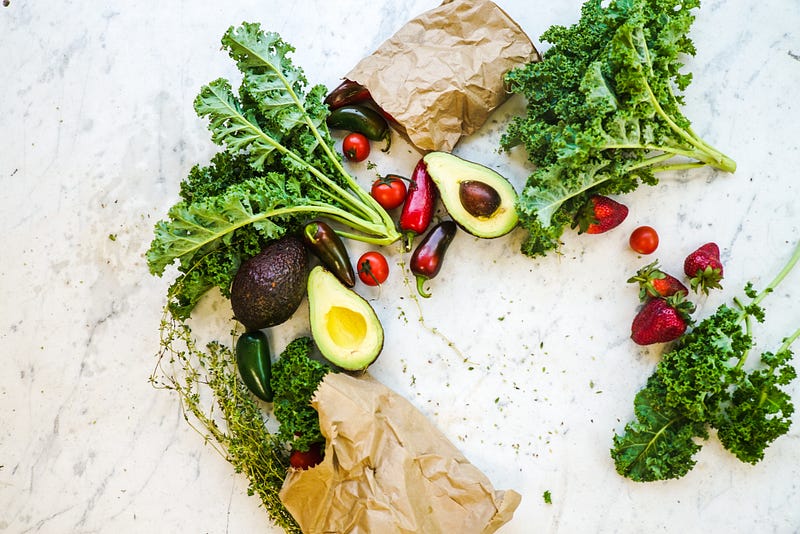
Photo by Wendy Wei from Pexels

When most of us need bananas or an avocado, we simply drive to Whole Foods.

Or, maybe we take a trip to Safeway or Sprouts or Trader Joes, depending on how we feel. The task is unimportant, mundane even.

Yet for people who live in food deserts — communities that lack access to fresh fruit and vegetables — what should be an arbitrary chore is exhausting and exorbitant.

Most of the time, it’s simply impossible.

The disparity of healthy food distribution in America isn’t a new issue. It isn’t random, either.

Food deserts are underpinned by the enduring oppression of racial, economic, and health inequity.

Much like an actual desert, where living conditions are hostile for plant and animal life, a food desert interferes with a person’s right to live a healthy, nourished life.

When Groceries are out of Reach

The USDA outlines two major criteria for a census tract (a neighborhood composed of, on average, 4,000 people) to be considered a food desert.

First, 33 percent of its population must live a mile or more from a supermarket (10 miles in rural areas). Second, the community must have a poverty rate of at least 20 percent.

Now, consider:

People living in food deserts often don’t own a car — especially in urban areas.

They may have a disability which makes it hard to access that store, even if they did have a car.

Or, they may need to care for family members or work odd hours to make ends meet.

It’s hard to gather the time and resources required to make such a far trip. And, the systems and circumstances that make it so are both complicated and enduring.

Food deserts are underpinned by the enduring oppression of racial, economic, and health inequity.

The USDA’s most recent research (which is from the 2000 census), states that 2.3 million Americans live at least one half to one mile away from a grocery store — and don’t have access to a car to get there.

It’s hard to rely on these numbers not only because they’re two decades old, but also because they don’t consider the more recent economic crisis caused by the COVID-19 pandemic.

Statistics from PEW cite that unemployment increased more in just three months during the pandemic than it did for the entire two years of the great recession.

While the U.S. government estimates the May 2020 unemployment rate at 16%, the questionnaire used to collect this information (the household survey, conducted by the U.S. Census Bureau) received far fewer responses than normal, leaving an unknown number of people unaccounted for.

This begs a question we need to ask more: how many people actually live in food deserts today — and how has that number swelled as a result of the pandemic?
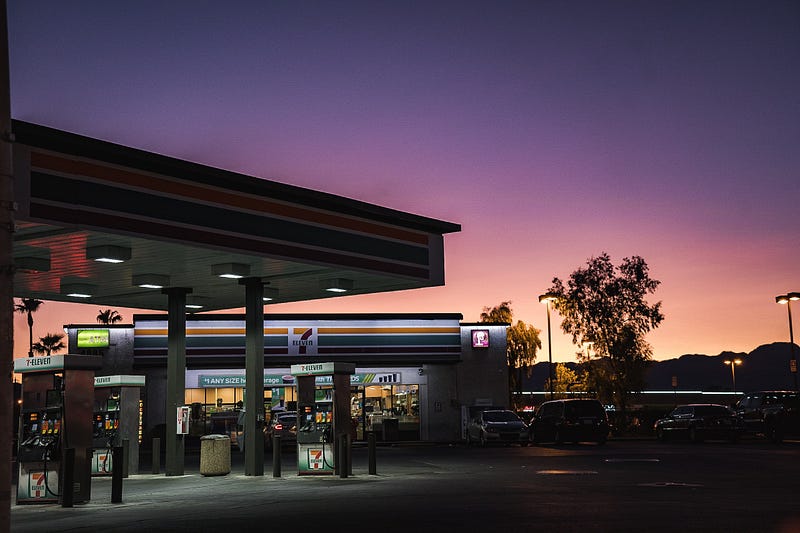
Photo by Sanaan Mazhar from Pexels

The Racism of Healthy Food Access

Such questions cannot be answered without also addressing the oppressive systems which keep food inequality in place.

Systemic racism plays a primary role in creating barriers to fresh fruit and vegetables.

Research shows that black Americans have half as much access to healthy food when compared to white Americans, and hispanic populations have one-third the amount of access.

Moreover, black and hispanic neighborhoods are closer in proximity to small, independently-owned markets and convenience stores, which have higher prices and fewer options.

White Americans have more access to chain supermarkets, which provide a variety of healthy foods and lower prices—plus the security of well-stocked and often-replenished shelves.

The Role of Food in Oppression

Supermarket chains don’t appear as often in black and brown neighborhoods for many reasons, including practical ones, like proximity to delivery routes.

But racist reasons pervade: the appeal to white shoppers, and a perceived sense of danger and security risks based on racist stereotypes in these communities, are why supermarkets offering whole, nutritious food stay away.

Yet even when a grocery store does appear in a food desert, its existence isn’t enough to solve the problem.

People may still not be able to access the store physically, and it also may only sell items aimed at white audiences, which may not align with the cultural traditions or cooking skills of local residents.

Native communities suffer, too. Having been largely stripped of the resources they need to apply ancestral knowledge to modern food-growing, Native people living on remote reservations in America are sometimes forced (if they even have a car) to drive over an hour to reach a grocery store.

Even then, they are met with limited options and inflated prices.
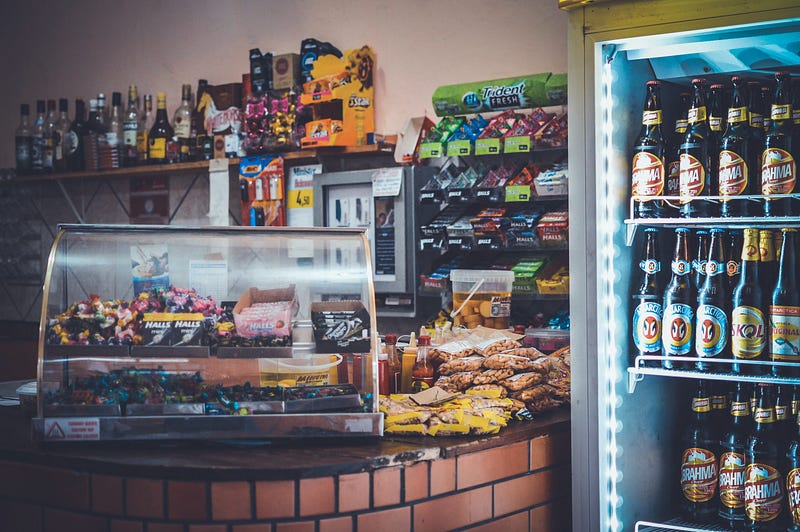
Photo by Caio from Pexels

Food Deserts and Public Health

Lack of access to fresh food is both a social justice problem and a public health problem.

Research shows that food deserts often coexist with food swamps — areas where the main food options are unhealthy and processed, like those found in convenience stores and fast food establishments.

Eating a diet high in processed foods, which are laden with fat, salt, sugar, and preservatives, leads to obesity and chronic illness — both of which decrease quality of life and shorten overall life expectancy.

If being black or brown increases one’s chances of living in food desert, it also ascertains they will endure additional suffering at the physical, cultural, and economic level.

As the landscape of food deserts widens across the United States, the healthy food divide and the socioeconomic problems that cause it only worsen. The best way to work toward food justice locally and nationwide is to support food justice organizations. What’s happening in your community? Who is bringing healthy food to underserved communities—and how can this initiative be supported?

When we fight for food justice in our own communities, we create a healthier and more equitable food system across America.
Photo by Rauf Allahverdiyev from Pexels
Food Waste
Racial Justice
Racism
Public Health
Denver
Recommended from ReadMedium