
Why Fashion Choices reflect Personal Values
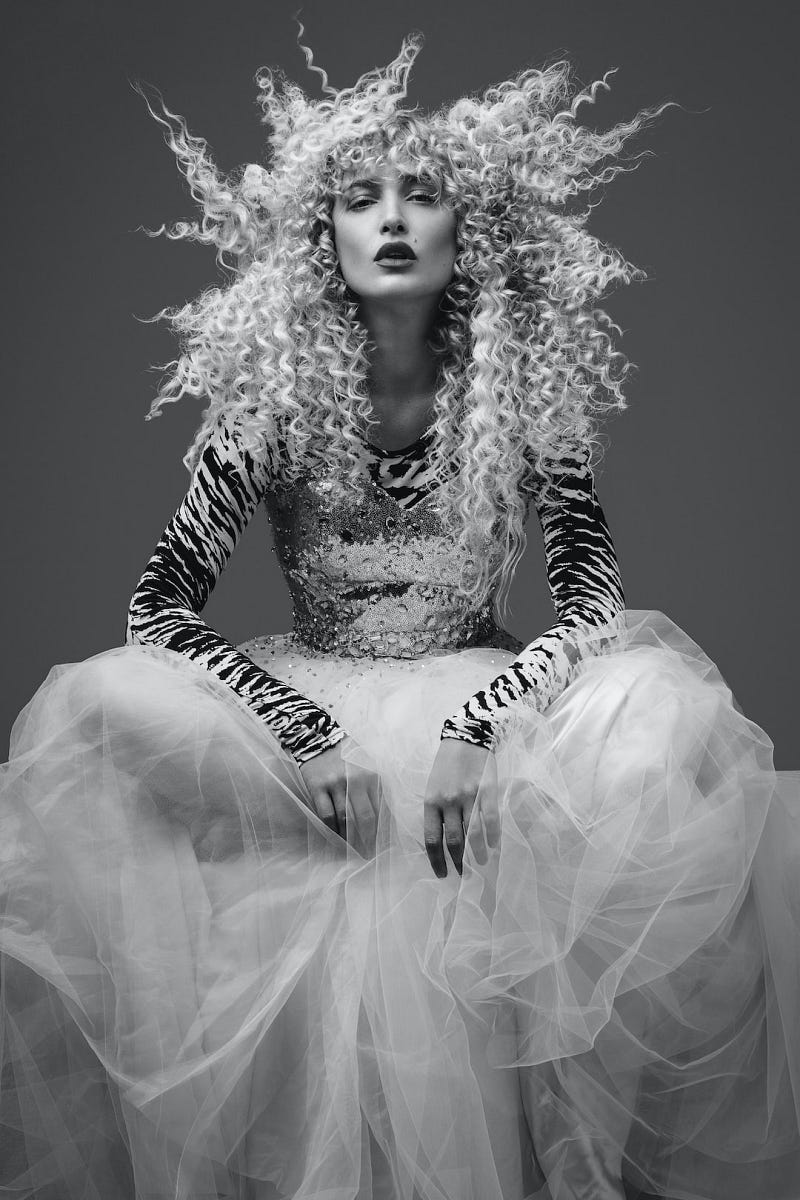
The choices we make in clothing not only reflect our personal style but also prompt contemplation about societal expectations and self-perception. When we choose the clothes we wear, do we think about how others perceive us, or do we focus more on how we feel in certain circumstances?
Does clothing have the power to alter our inner attitudes?
Intend to say YES!
When we pick our outfits, it makes us wonder: are we dressing to fit in with what’s expected, or are we showing off our own style, even if it’s a bit different ? Even if it’s not what society finds trending. For most of us this balance between blending in and standing out guides our daily clothing choices.
Clothing hasn’t always displayed such diversity within a culture, nor has it been influenced to the extent we see today. This trend gained prominence a few years ago, particularly in our current century.
Initially, the primary purpose of clothing was to provide warmth and protection from the elements, including shielding us from the sun or dust. It was a matter of survival. Slowly but surely, over time, clothing evolved to serve practical purposes in facilitating daily tasks.
And nowadays,
morally, the belief is that what truly matters is not the outer appearance but what lies within. The superficial covering of content is seen as a mere label that shouldn’t influence human interactions significantly. However, what occurs when a specific fashion guides one’s behavior towards others?
Clothes can make us feel stronger and more confident. The perfect outfit boosts our self-esteem and makes us feel ready to take on the world. It’s like our clothes are speaking for us and changing how we act. Think about how we wear different things for different occasions, like dressing up for work and going casual for a day out. Our clothes aren’t just protection from the weather; they help us fit into different situations.
The way we shop and spend money is often influenced by internal factors like emotions, experiences, or culture.
For example, for some, wearing traditional garments can evoke a sense of connection to their roots and heritage. It becomes a way of expressing pride in one’s culture and communicating that identity to others. Same importance in certain professions, uniforms contribute to a sense of professionalism and unity. The act of putting on a uniform can transform an individual’s mindset, fostering a sense of responsibility and commitment to their role. It’s not just about the clothes; it’s about embodying a specific role or duty.
Have you ever been asked, “What do you think your clothes communicate about you?” I asked myself and I could respond that the appearance aligns perfectly with my personality. Can it convey unintended messages? Well, in this scenario, individuals are the best judges of what they wish to express and how they want those around them to interpret it.
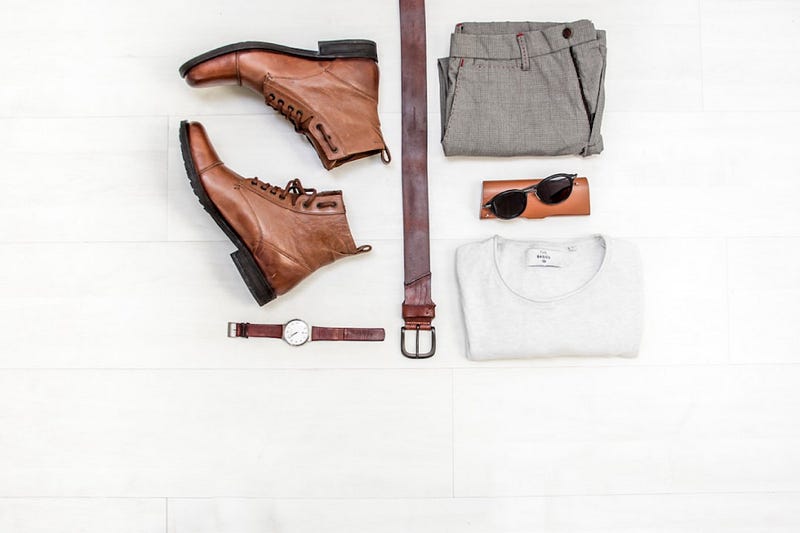
For me is sure; I’m the Classic Style: I love neutral colors, timeless pieces, tailored cuts. What I discovered about me? Personality Connection — a classic style might be perceived as poised, reliable, and having a preference for enduring, traditional values; values order, adheres to traditional norms, and is often associated with a polished and put-together image.
As for the rest I identified the following :
Bohemian Style:
Fashion Traits: Flowy fabrics, earthy tones, eclectic patterns.Personality Connection: Bohemian fashion often reflects a free-spirited, artistic personality, someone who values individuality and embraces a carefree lifestyle.
Minimalist Style
Fashion Traits — Simple, monochromatic, clean lines. Personality Connection- Minimalist fashion suggests someone who appreciates simplicity, order, and tends to focus on essentials in both their wardrobe and life.
Eclectic Style
Fashion Traits — Mixing and matching diverse styles, bold colors. Personality Connection:An eclectic style can reflect an open-minded and creative personality, someone who enjoys experimenting and appreciates diversity.
Street Style
Fashion Traits — Casual, urban-inspired, sporty elements. Personality Connection: Street style often aligns with an energetic, dynamic, and modern personality, someone who embraces the vibrancy of urban life.
Vintage/Retro Style
Fashion Traits — Clothing inspired by past eras, second-hand pieces. Personality Connection — A vintage style may be associated with someone who values nostalgia, has a love for history, and appreciates the uniqueness of bygone fashion.
Gothic Style
Fashion Traits — Dark colors, unconventional accessories, dramatic elements. Personality Connection — Gothic fashion might be linked to someone who has an alternative or rebellious streak, appreciates mystery, and enjoys expressing a unique identity.
For sure each instance of dressing becomes an expression of something about us. This explains the abundance of clothing stores and the substantial amount of money we spend on apparel. People make conscious choices about their clothes, using them as a form of self-expression.
While words may convey much, the clothes one wears often communicate even more.
On the flip side, unconventional or non-conformist fashion choices can serve as a form of resistance or rebellion. Choosing to defy societal norms through clothing can be a powerful statement, challenging established ideas and fostering a sense of autonomy.
But regardless of the chosen style, sometimes, we have to decide between following what everyone else is doing and staying true to what feels right for us. This constant decision-making is about finding the right balance between what’s expected and what makes us comfortable.
Fashion isn’t just about covering up; it’s like a journey of discovering who we are. As styles change and we try different things, it’s like we’re exploring our own identity and figuring out what feels right for us.
In simple terms, getting dressed isn’t just about putting on clothes. It’s about showing the world who we are, feeling good about ourselves, and navigating the mix of what’s expected and what makes us happy.
Thank you for reading!
You might also find interesting:


