
Why Failure is Essential to Success
Importance of Failure: It Shapes Your Success
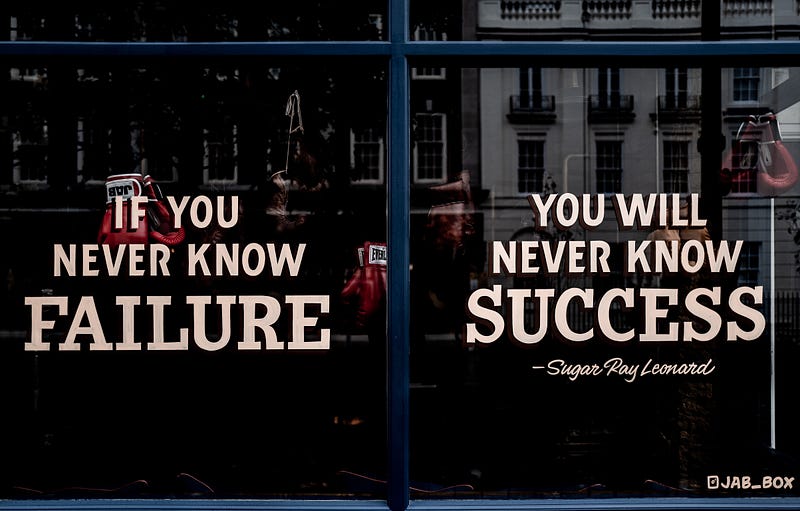
Failure is a great stepping stone to success; it’s not a step backward. If we don’t get over our fear of failing, we’ll never learn to step outside of our comfort zone. The most forward-thinking businesses actively seek out candidates with backgrounds that demonstrate both success and failure. That’s because someone who perseveres through failure will have acquired priceless wisdom and the unbreakable perseverance that comes with overcoming adversity.
Failure is always a foregone conclusion. Ask anyone, please! These are just a few of the famous people that have failed at something in their lives, including Henry Ford, Walt Disney, Steve Jobs, Oprah Winfrey, and J.K. Rowling. The light bulb was invented by businessman and inventor Thomas Edison, who failed 1,000 times. Only 15 of Edison’s 1,093 patents — or inventions — change the world. However, he and many others before and after discovered something fresh and worthwhile with each failure.
The Importance of Failure
Change Your Mindset
Failure is often equated with loss. This is most definitely not the case. Failure doesn’t spell doom; you just need to take a different path. We put ourselves in a bad frame of mind about failing. Consider your past mistakes — would you change any of them? What did you take away and discover from your mistakes? Failure helps us grow, learn, and succeed. We develop fresh viewpoints on the environment we live in. Failure challenges people to take big risks and pushes them outside of their comfort zones. The significance of failing is this! Failure is a Learning Curve for Success.
Our lives have all been influenced by failure. Failure has been the constant, supreme teacher in all I’ve done, from childhood to adulthood. If we were always afraid of failing, we would be uninspired and lead unexceptional lives.
Additionally, it gives you experience for your future resume. We may identify our areas of weakness and work within them through learning from failure.
Failure offers opportunities to see new paths
When you say, “When I grow up, I want to be a…”, it doesn’t necessarily guarantee you’ll get it right. Sometimes you have to make a total mess of the initial path before you realize it’s not the right one for you. Finding the proper route is not wrong in any way. College is a terrific place to discover your true passions. Failure therefore paves the way for success.
Failure is an opportunity to evaluate your strengths and make them even stronger.
Even if you don’t excel at something you consider to be your strong suit, it still might be one of your strengths. Perhaps reassessing the situation and taking a step back will help you determine how to use your abilities to their fullest potential. Are you going to sit on the floor after being knocked down and lose sight of who you are, or are you going to get back up and become stronger? This is the choice that failure presents.
A “no fear” attitude toward failure enables us to profit from any action-outcome combinations that may occur. Instead of looking for failure, you should embrace difficulties that may not turn out well for you. Finding your own strength, whatever it may be and however you may use it, and learning from the mistakes that resulted in a disappointing end are both important. Accept new opportunities and keep your mind open to all the options available to you.
Failure offers a very special chance for personal development.
My parents have stated that they want me to take lessons from their mistakes. It’s possible that you have heard this as well, but it probably hasn’t happened often. It’s unlikely that anyone ever taught you that learning from your mistakes will aid in your growth. More than trying to react to things you did not experience (such the things your parents usually talk about), how you choose to respond to your own failure is more likely to spur change. Although gaining knowledge from others is a fantastic tool, aiming to achieve perfection based on them would only lead to further disappointment.
Pointers about transforming failures into victories
Managing failure in the workplace requires effort, acceptance, and movement. Here are some pointers for transforming failure into success:
- Consider failure to be a tool. Think about adjusting your perspective on failure and using it as a tool to assist you figure out what functions and what doesn’t. You can accept and benefit from failure if you see it as a chance to innovate rather than as a barrier to success.
- What does success mean to you? Knowing what you want to accomplish and how you define success can also help you define failure and how to overcome it.
- Take responsibility. Owning your mistakes is frequently a sign of professionalism and maturity, both of which are essential traits for success.
- Be self-assured and persistent. While you can have support from others to succeed and overcome disappointment, most of the work and achievement comes from within. Keep working hard toward your professional goals, identifying the processes and actions required to reach them, and remain confident in your talents.
- Don’t sit there and think about it. Take into account other possibilities and take steps to address the issue you encountered. When something goes wrong, working to fix it as opposed to obsessing on it can frequently help you become more motivated and succeed more quickly.
EVEN THE GREATS HAVE FAILED!
“Many of life’s failures are people who did not realize how close they were to success when they gave up.” — Thomas Edison
“A person who never made a mistake never tried anything new.” — Albert Einstein
“Success consists of going from failure to failure without loss of enthusiasm.” — Winston Churchill
“It’s fine to celebrate success but it is more important to heed the lessons of failure.” — Bill Gates
“The only real mistake is the one from which we learn nothing.” — Henry Ford
On a more personal level, I’ve failed miserably many times in life overall, and each time, I go through the grieving process. I’ve been struggling for a while to find acceptance, but every time I do, I turn to seeking retribution, which is, in my opinion, the final stage of grieving. Trust me when I say that once you get there, there is no better feeling.
I am MUSA AYAZ. I write about poetry, tech, business and self-improvement, and interesting trending topics to revolutionize writing in a way you have never seen before.
Runner up on Promptly Written Poetry Competition (2023).
Follow me: Medium.com/@musaayaz
E-mail me: [email protected] for work.
My previous article: https://readmedium.com/heres-how-writers-can-actually-start-standing-out-1d2f2372a76c?sk=43cd9c77af7f4bbe023ca77d556ea93b
MY E-COMMERCE STORE:https://shoplyte.net


