
Why Existentialism is the Only Philosophy That Makes Any Sense
Do our lives have any inherent meaning?
Right, nobody knows, but personally, I doubt it.
We go through our days, thinking we’re doing important things, worrying about all of our problems, and those of the rest of the world. We think we know what is going on, we’re grounded in our own little worlds, stopping rarely to consider the futility of it all.
We navigate through our lives, attending business meetings, studying for hours on end, slaving away for a paycheck, maybe trying to change the world a little. However, the reality is that we’re just bundles of flesh and bones, hurtling through the universe on a tiny rock, stressing over our insignificant problems.

I’m going to ask everyone who is reading this right now, to stop and think for a second, what gives your life meaning? Are you really living with purpose, and if so, is that purpose your own, or one you’ve been sold by someone else?
As human beings, we crave meaning in our lives. We look for meaning in many different places, some choose religion, others resort to politics, or seek meaning by trying to change the lives of others. We must acknowledge however, that all of these ideas are but ways mankind has developed in order to cope with the fundamental lack of meaning that life grants us.
Now, I could very easily make a case for nihilism, but if I were to go down that road, I might as well tell you to kill yourself right now, and I’m definitely not on that train.
I consider myself an existentialist. I do not believe life has any meaning beyond that which we give it. I could easily be a nihilist, but I think that seen as we’re here, we should at least try to do something, right?
The roots of existentialism
If we look at the history of humanity as a whole, existentialism was brought to the forefront very recently.
For centuries, it was generally accepted that everyone alive on earth had some sort of inherent purpose granted to them by god, or the universe, or whatever. This theory was known as essentialism. The idea that we all had an essence that we had to abide by in order to live a good life, and that this was granted to us before we were even born.
Then it came to the 19th and 20th centuries, when the fundamental ideals by which mankind had lived for thousands of years were chewed up and spat out by a plethora of new thinkers and philosophers. Among them were some big names like Friedrich Nietzsche, Albert Camus, and Martin Heidegger, who brought forward the philosophies of nihilism, absurdism, and called into question the very essence of being itself.
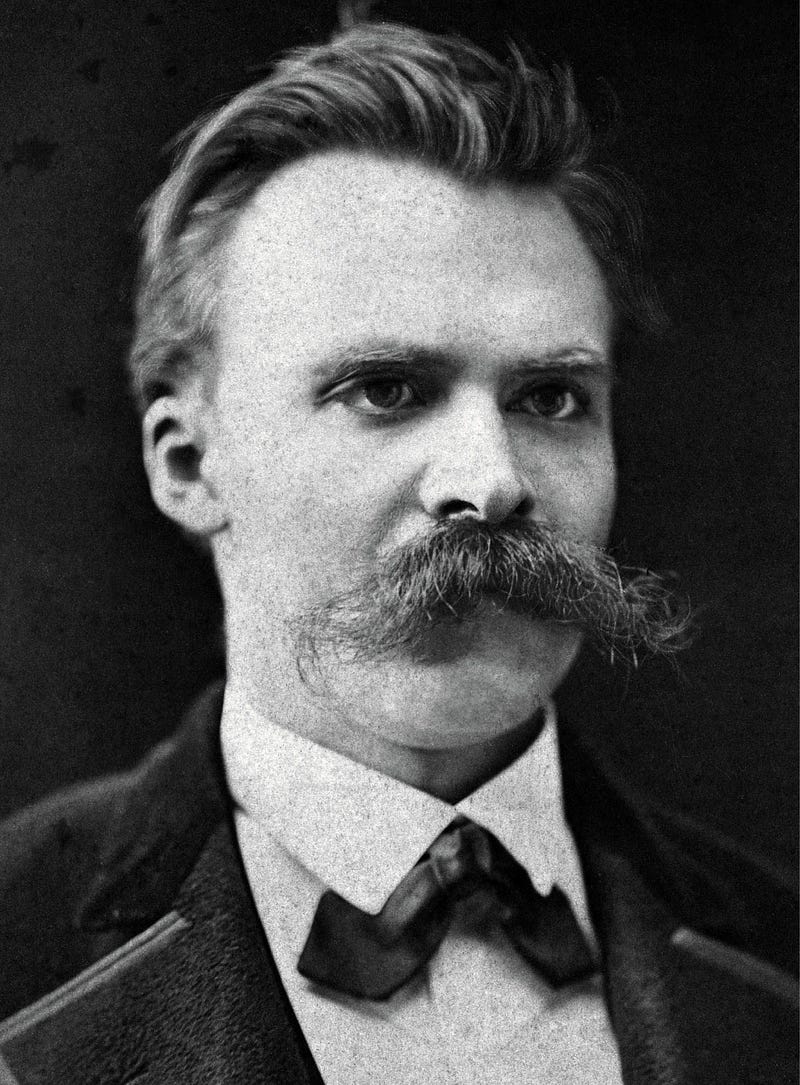
Nihilism proposes that life has no meaning whatsoever, no matter what we do, and there is no way we can change that fact. So we may as well just do nothing, or engage in a purely hedonistic lifestyle. Absurdism characterises the futile search for meaning within a meaningless existence, and is brought to the fore in Camus’ work ‘L’étranger’
These ideas were later finalised by Jean Paul Sartre in the 20th century, and thus the ultimate philosophy for life was created, existentialism.
Why existentialism is the only valid philosophy to live by
Existentialism states that our lives have no inherent meaning or purpose, but rather it is the purpose we create for our lives that gives them a sense of meaning. This meaning is only present in our consciousness however, the universe, or god, doesn’t care what you’re doing.
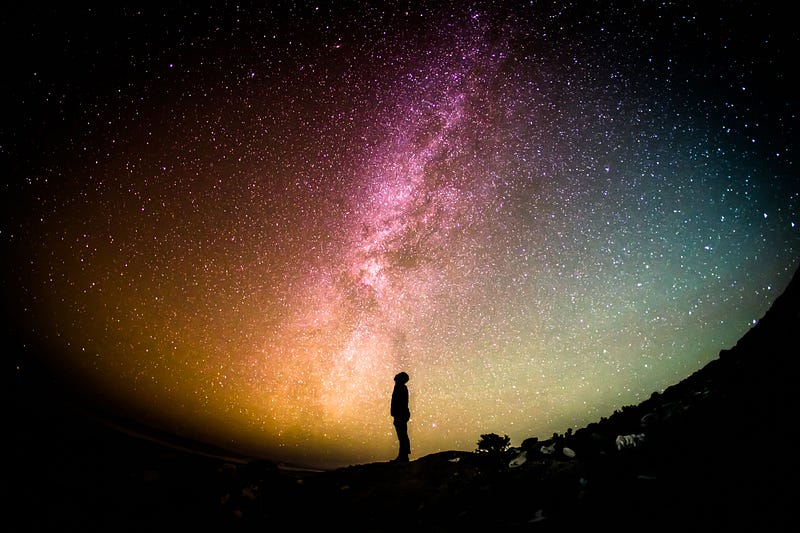
This essentially gives us ultimate freedom to live our lives in any way we desire, as there is no moral code present in the universe by which to abide, we have complete control over what we decide to do. I believe people should take this as a positive point rather than a negative one. Yes, life is meaningless, but why should that be a bad thing. Once we accept this as a fact, we can live our lives freely, doing what we enjoy, so far as our society allows us.
I believe if you decide to adopt a religion, or a rigid political outlook as a manner by which to provide meaning to your life, then go ahead, as I said, it’s your life, do what you want. But, I personally believe that this is never quite the right way for everyone, as you are accepting an authority which doesn’t really exist. People just like you and I created these religious and political structures, people who, just like you and I, have no idea what gives life any meaning. You need to create your own meaning in life.
“The literal meaning of life is whatever you’re doing that prevents you from killing yourself.”
Albert Camus
Sure, you could be a nihilist, and smugly laze around thinking you’re smarter than everyone for having ‘figured out’ that life has no meaning. But, in reality, that just leads to misery and sorrow for an entire life. Wallowing in your self-pity, you’d spend every day questioning “what is the point of it all?”, and being perpetually on the brink of suicide.
We should at the very least, try our utmost to pursue what will give some meaning to our lives, and bestow upon us the elusive notion of happiness.
Try to master your craft, to help other people and make a change in their lives, or just simply experience life as fully as you can.
We should all assume we have just one chance at life, because nobody has the answers for you, everybody on earth is just as clueless as you are. So spend your life doing something that distracts you from the essential hollowness of our existence.
Want More?
Join 2700+ fellow readers for ideas about philosophy, life, culture, and psychology.


