
What is the European SuperLeague and why is Everyone Freaking out?
Talks of a Super League have been in the making since the 1990s
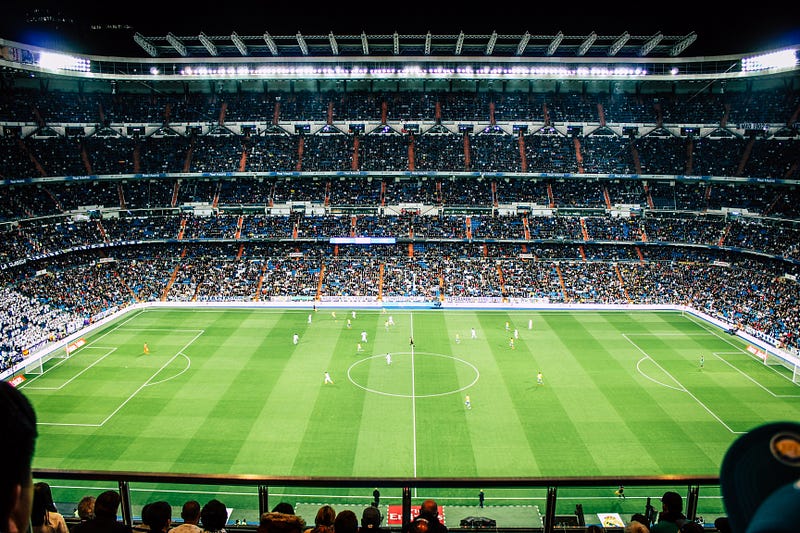
On April 18, twelve of the biggest European soccer clubs stunned the world by announcing that they were planning to form their own European breakaway league competition. These teams still want to compete in their domestic competition. But instead of entering the European competitions organized by UEFA (such as the Champions League and the Europa League), they plan to create their own elite league competition.
What's the benefit for them?
The convenient (and somewhat cynical) response would be to say they are only doing it for the money. These clubs are global brands whose influence stretches far beyond their cities. By setting up an elite league, they would effectively be guaranteed 18 high-quality games every year, with 9 of them being held in their home stadium. Imagine what this means for sponsors, TV rights, and stadium tickets.
Under the current Champions League format, teams are only guaranteed six games per year in the tournament's first round. Some of these games are usually with smaller teams from smaller countries that are not as financially attractive for the big clubs.
In the new Superleague, most of these teams would be based in a large European metropolis easily reachable by a direct flight. Under the current format, teams often need to travel to play in remote locations in peripheral parts of Europe that require a whole day of traveling.
Imagine if you are a top soccer player playing for FC Barcelona. Would you rather be traveling to Milan or London on a cold night in December or to a distant town in Belarus?
Perhaps the biggest benefit for the 12 teams is that their spot (and their corresponding revenues) in the competition is guaranteed. Six big English clubs have signed up to participate in the new league. Under the Champions League, only the best 4 would qualify, and even then, some teams will still need to go through a playoff round in August to make it to the group stage. Missing out on the group round can mean millions of lost revenue. These teams spend so much money attracting the best players, they want a guarantee that their investment will pay off.
Why did this happen now?
Many people assume that this happened now because European teams saw their incomes eroded due to the pandemic. I disagree with this theory; big European clubs have fantasized about a separate league since the 1990s. They have several times used the threat of a breakaway league to negotiate better financial proceeds from the UEFA Champions League.
UEFA was planning this week to announce their plans for an expanded Champions League format to allow more guaranteed games. Evidently, the owners of the big clubs were not satisfied with the new format, so they went ahead and announced their breakaway league. This could also be a tactic to bring UEFA back to the bargaining table and negotiate better conditions.
Would this make the SuperLeague something like the NFL or NBA?
Not really. The NFL and NBA may be closed leagues where every team is guaranteed to play and receive a share of the revenues. However, in US leagues, the teams do not compete in any other competitions. They only compete in one league. In Europe, a team plays in its domestic league, its domestic cup tournament (which is usually like a knockout tournament), and the best teams qualify for European competitions.
The US leagues may be closed and exclusive, but they have significant checks and balances to maintain parity. Teams are not free to spend as much money as they want on players. There are salary cap rules in place. For a new player to enter the league, he needs to be drafted first. The draft order is determined by how poorly you did in the previous year. In the NFL, teams that fared poorly in the previous year tend to be given easier schedules in the upcoming year.
The European teams involved in the SuperLeague do not want any salary caps. Many of these teams are run by oligarchs and billionaires who want to be free to spend as much as they want with no checks and balances. These teams are already dominating their domestic leagues. Imagine if they form their elite Superleague. Their revenues will be so far ahead that it will be impossible for other clubs to compete. Fairytale stories like Leicester winning the Premiership will become increasingly rare.
Who is not joining the Superleague?
Interestingly, the two teams refusing to join the SuperLeague are arguably the best two teams in Europe right now. They were last year's Champions League finalists: Bayern Munich and Paris St Germain. Bayern won that game 1–0, but PSG got their revenge in an epic quarterfinal just last week.
These teams play in domestic leagues that are not driven as much by money as the Spanish and English leagues. The French and Germans tend to emphasize talent and youth development. Perhaps it should come as no surprise that the winners of the last two World Cups were Germany and France.
Bayern and PSG are so far ahead of the other clubs in the domestic competitions that they are almost guaranteed a spot in the Champions League every year. Bayern Munich has won the Bundesliga eight years in a row. They are already the most hated team in Germany (a bit like the New England Patriots in the NFL). If they left for the Superleague, that would trigger an enormous backlash in Germany.
Is there a European precedent?
Yes, in basketball. Currently, the top European basketball teams play in a semi-closed league called the Turkish Airlines Euroleague. Out of the 18 teams participating, 11 of the teams are guaranteed automatic qualification regardless of how they fare in their domestic competition. The structure seems very similar to the proposed Superleague format for soccer.
This competition is the result of a breakaway split that happened 20 years ago. Many teams broke away to form their own league. After one year, where effectively two European leagues played for separate titles, the various sides realized the damage done and joined forces to form the current Euroleague.
However, basketball in Europe is very different from soccer. In soccer, we are basically talking about the best players playing for the best teams in the world. In basketball, only a few countries in Europe have established fan bases, and there is very little interest for the Euroleague outside of these countries.
How will the fans react?
The timing could not have been worse for fans. The whole continent has been devastated by the pandemic. Millions are still out of work, and thousands have lost their loved ones, and have been traumatized by the lockdowns. Suddenly, these billionaire owners come along and say, we want to make more money.
The initial reaction by pundits and politicians has been outrage. People are furious by the greed that the owners of the large clubs have shown. However, I am curious to see how this whole game will play out once the initial outrage has passed.
The Superleague would make a very attractive competition. And if it manages to go ahead, fans may come to love it. I remember back in the 1990s when UEFA allowed for the first time 2 or more clubs from the same country to compete in the Champions League. Fans and pundits were outraged. They talked about the death of soccer, and they accused UEFA of selling out.
European soccer became much more attractive because of these changes. The Champions League final became the undisputed event on the annual soccer calendar (something like the Superbowl in the US). I look back at all the epic Champions League games in previous years, and many were with teams that had finished 3rd or 4th in their domestic leagues.
What is most likely to happen?
Good question. No one really knows, but the next weeks and months could get really messy. Expect lots of lawsuits from many different stakeholders. UEFA wants to kick out any teams from domestic competitions that participate in the Superleague. FIFA is threatening to ban players from all competitions. Imagine if next years’ World Cup is held without the top soccer players that play in the breakaway league.
Sponsors and media companies have paid crap loads of money for TV rights. If suddenly, the product they paid for is radically altered, we could be in for some drawn-out lawsuits. We all want a World Cup with the top players. Nobody wants some teams playing in the Champions League and some in the Superleague. We want at the end of the season to crown one European Champion.
I would not be surprised if, for one or two years, European soccer splits into two. We might see parallel European competitions set up. Both sides will suffer severe damages, and eventually, people will sit down at the table and work out a deal.
The upcoming weeks will surely be exciting. Expect it to be a fascinating lesson in negotiations between very powerful and influential people wrestling for millions of Euros in revenue. As a soccer fan, I am worried, but as someone fascinated by negotiations and business deals, I am really excited to see how this whole thing will play out.
UPDATE: A few hours after publishing this story, all six English teams announced that they are pulling out of the Superleague, citing backlash from their fans. The Spanish and Italian teams are sticking to it for now, but they're coming under increasing pressure to pull out as well. What we don’t know is if these teams were promised any concessions if they pulled out. In any case, future negotiations between the big clubs and UEFA should be very exciting