
Why empty Bleachers will Change the Psychology of Sports
Since we got the sports back but no crowd, it might squelch the home-field advantage — and the emotion that drives players.
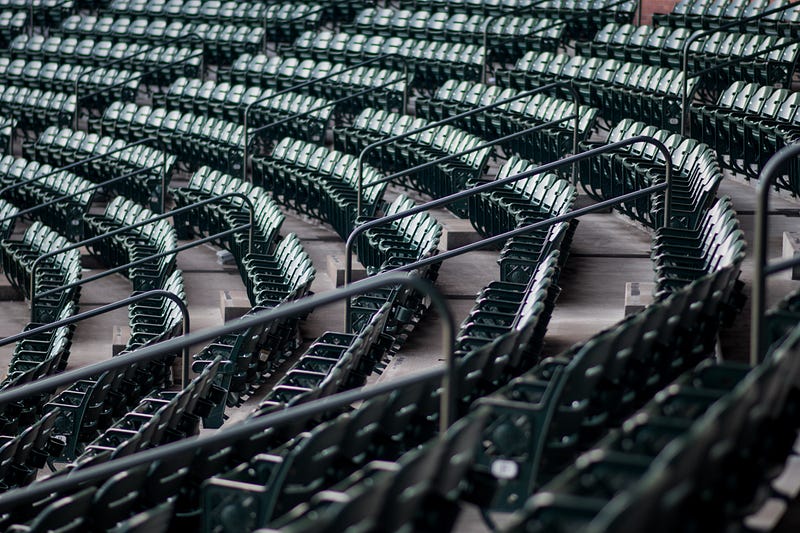
We’ve been witnessing a global decline in sports viewership ratings and reviews. Maybe it’s because people have other things to deal with right now or that the stadium is empty and sad. It’s complicated to put our finger on the precise reason for that to happen. We all thought that sports events would be our lifesaver on those hard days. When locked inside our houses, we didn’t have any escapism besides sports, but the human brain apparently doesn’t work like that. We’ve realized that isn’t the case, there is still something missing.
Never before have sports teams played an entire season without fans, it is a fascinating time for people who study sports and how psychology influences athletic performance. Home-field advantage is a known thing in every sports game, especially in team sports. This advantage is expressed not just in the fatigue of traveling or the effects and pressures from the other side of the crowd. Small, uncertain details have a huge influence as well. When fans are on the sidelines, it’s harder.
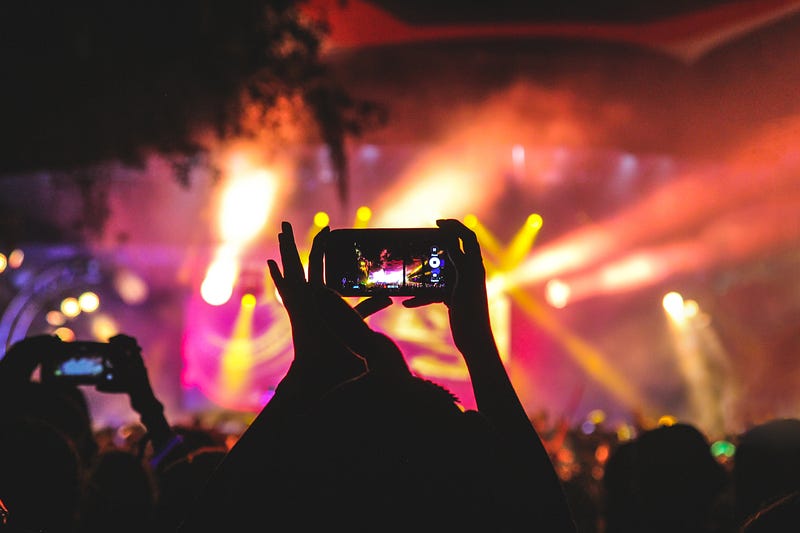
Like any other event, a sports game is also an event. After a while, we didn’t have it at all and missed it badly, but somehow we now have it too much. Don’t get me wrong, I can watch sports for days on end. What became too much was the anticipation. The WOW we got from a sports event during the pre-COVID era — we have it every day, and no one can withstand it.
The World Cup is popular. Billions of people watch it every day because it only occurs every four years. If it happened every month, people wouldn’t watch it because it wouldn’t be interesting anymore.
For a lot of us, sports is life, and in the same way, when we metaphorically put our life on hold, the same thing happens in sports. Even when we get most of it back, the gap is too big for us to enjoy and fully live it.