
The Power of Empathy
Why Empathy Is Crucial To Living An Amazing and Fulfilling Life
Discover why empathy is crucial to cultivating amazing relationships and changing the world.
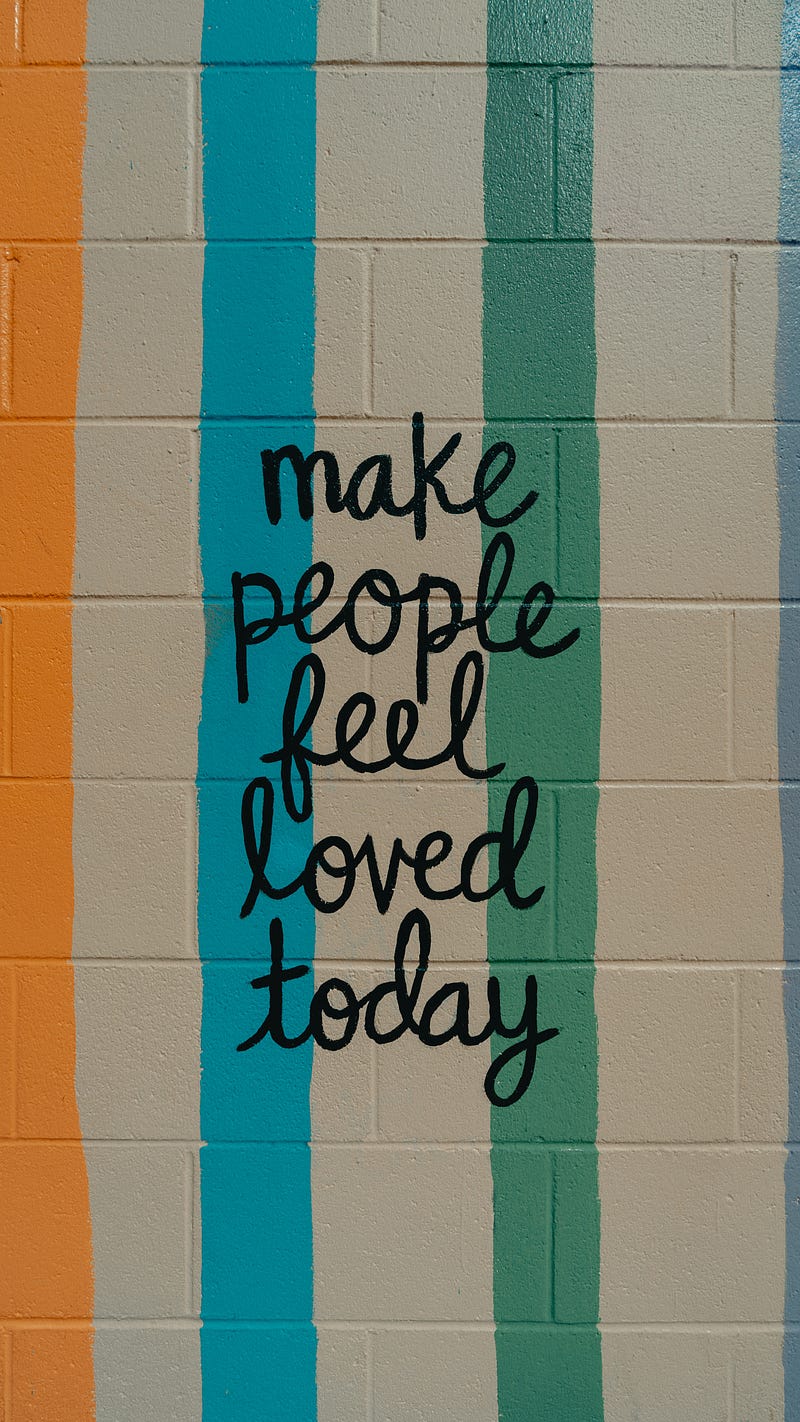
“Each one of us has lived through some devastation, some loneliness, some weather superstorm or spiritual superstorm, when we look at each other we must say, I understand. I understand how you feel because I have been there myself. We must support each other and empathize with each other because each of us is more alike than we are unalike.” — Maya Angelou
Cultivating Empathy: Connecting and Bridging Divides
In a world that often feels self-centered and disconnected, cultivating empathy becomes increasingly crucial. Empathy, the ability to understand and share the feelings of others, plays a significant role in living an amazing and fulfilling life. It allows us to connect with others on a deeper level, fostering compassion, kindness, and a sense of belonging.
By developing empathy, we can break down barriers and bridge the gaps that divide us, creating a more compassionate and understanding society. In a world that can often feel cold and indifferent, empathy serves as a powerful antidote, reminding us of our shared humanity and the importance of treating others with kindness and respect. It enables us to step into someone else’s shoes, see the world through their eyes, and respond with compassion and understanding.
Empathy is not just a nice-to-have quality; it is an essential skill that can transform our relationships, communities, and world. Let us strive to cultivate empathy in ourselves, and others, for it is through empathy that we can truly make a difference and create a more empathetic and connected world.
“If you talk to a man in a language he understands, that goes to his head. If you talk to him in his language, that goes to his heart.” — Nelson Mandela
Strengthening Connections
When we actively engage in the practice of empathy, we can cultivate and nurture deeper connections with the people in our lives. By making a conscious effort to understand and relate to their experiences and emotions, we develop a heightened sense of awareness and compassion. This, in turn, enables us to interact with others on a more profound level, fostering a greater understanding and appreciation for their unique perspectives. Ultimately, the practice of empathy not only strengthens our relationships but also expands our worldview, promoting a sense of unity and belonging within our communities.
“The great gift of human beings is that we have the power of empathy, we can all sense a mysterious connection to each other.” — Meryl Streep
Impact on Well-being
Furthermore, empathy has a profound impact on our own well-being. Research suggests that regularly practicing empathy leads to lower stress levels, heightened emotional intelligence, and increased personal growth. It opens the door to greater self-awareness and helps us navigate conflicts with empathy, leading to more harmonious relationships and a greater sense of fulfillment.

Creating Positive Change
By incorporating empathy into our daily lives, we can create a ripple effect of positive change. It begins with simple acts of kindness and understanding, and it has the power to transform our world. So, let’s embrace empathy and unlock the incredible potential it holds to shape our lives for the better.
“Learning to stand in somebody else’s shoes, to see through their eyes, that’s how peace begins. And it’s up to you to make that happen. Empathy is a quality of character that can change the world.” — Barack Obama
The Importance of Empathy in Daily Life
Empathy is not just a nice-to-have quality; it is essential for our personal and social well-being. In our fast-paced and often self-centered world, taking the time to understand and connect with others emotionally can make all the difference. It allows us to form deeper and more meaningful relationships, which are fundamental to our overall happiness and fulfillment.
“If there is any one secret of success, it lies in the ability to get the other person’s point of view and see things from his angle as well as your own.” — Henry Ford
Appreciating the Struggles and Triumphs of Others
When we practice empathy, we are better able to appreciate the struggles and triumphs of others. We can step outside our own perspectives and truly understand the experiences and emotions of those around us. This creates a sense of connection and unity, fostering a supportive and compassionate community.
“This capacity for empathy leads to a genuine encounter — we have to progress toward this culture of encounter — in which heart speaks to heart.” — Pope Francis
Conflict Resolution through Empathy
Empathy also plays a crucial role in conflict resolution. Instead of reacting with anger or defensiveness, empathy allows us to approach disagreements with understanding and compassion. It helps us see the situation differently, facilitating open and honest communication. By listening and validating the feelings of others, we can find common ground and work towards solutions that benefit all parties involved.
“I do not ask the wounded person how he feels, I myself become the wounded person.” — Walt Whitman
Building Trust and Strengthening Bonds
In our daily interactions, empathy helps us build trust and strengthen bonds. Whether it’s with our loved ones, colleagues, or strangers we encounter, showing empathy can make someone feel seen, heard, and valued. It creates a safe space for vulnerability and encourages people to open up and share their thoughts and feelings. This deep level of connection not only enriches our relationships but also brings a sense of purpose and fulfillment to our lives.

Cultivating Empathy
Empathy is a skill that can be cultivated and honed over time. It requires us to step outside of our comfort zones and actively engage with the experiences of others. By making a conscious effort to listen, observe, and understand, we can become more empathetic individuals and create a positive impact on the world around us.
“Whenever you are about to find fault with someone, ask yourself the following question: What fault of mine most nearly resembles the one I am about to criticize?” — Marcus Aurelius
Understanding Empathy and Its Different Types
Empathy is a multi-dimensional concept encompassing various forms of understanding and relating to others’ emotions. It goes beyond sympathy or feeling sorry for someone; it involves truly stepping into another person’s shoes and experiencing their emotions as if they were our own. Understanding the different types of empathy can help us navigate our relationships and interactions with greater sensitivity and understanding.
Cognitive Empathy
This type of empathy involves understanding and intellectualizing someone else’s emotions. It allows us to recognize and comprehend the feelings of others without necessarily sharing those emotions.
Emotional Empathy
Emotional empathy, also known as affective empathy, involves actually feeling the emotions of others. When we experience emotional empathy, we can sense and resonate with the joy, sadness, or pain of those around us.
Compassionate Empathy
Compassionate empathy combines cognitive and emotional empathy. It not only allows us to understand and feel the emotions of others but also motivates us to take action and help alleviate their suffering.
Somatic Empathy
Somatic empathy refers to the ability to experience the sensations and physical pain of others physically. It is often experienced by healthcare professionals or individuals with a heightened sense of bodily awareness.
Spiritual Empathy
Spiritual empathy involves connecting with others on a deeper level and understanding their spiritual or existential experiences. It goes beyond the material and touches on the essence of our shared humanity.
Each type of empathy has its own unique qualities and strengths. By developing a holistic understanding of empathy, we can better navigate the complexities of human emotions and build stronger connections with those around us.

The Power of Empathy
Empathy is a powerful tool that can have a transformative impact on our lives and the lives of those around us. By understanding and sharing the emotions of others, we can gain perspective, find gratitude, and experience a greater sense of calm. In addition to these personal benefits, practicing empathy leads to increased emotional intelligence, enhanced problem-solving skills, improved communication, greater self-awareness, and increased resilience.
Increased Emotional Intelligence
Empathy is closely linked to emotional intelligence, which involves recognizing and managing our own emotions as well as the emotions of others. By practicing empathy, we become more attuned to our own feelings and the feelings of those around us. This heightened emotional intelligence allows us to navigate social situations with greater ease and effectiveness.
Enhanced Problem-Solving Skills
Empathy enables us to see problems from multiple perspectives. By understanding the emotions and motivations of others, we can approach problem-solving with a broader and more inclusive mindset. This leads to more creative and effective solutions that consider the needs and desires of all parties involved.
Improved Communication
Empathy fosters open and honest communication. When we genuinely listen to others and seek to understand their point of view, we create an environment of trust and respect. This encourages others to express themselves freely, leading to more meaningful and productive conversations.
Greater Self-Awareness
Practicing empathy requires us to reflect on our own feelings and biases. By understanding the emotions of others, we gain insights into our own emotional landscape. This self-awareness allows us to grow and develop as individuals, leading to greater personal fulfillment.
Increased Resilience
Empathy helps us build resilience in the face of adversity. When we connect with others and support them through their challenges, we develop a sense of purpose and meaning. This connection and purpose give us the strength to navigate our own struggles with resilience and optimism.
By embracing empathy, we not only improve our relationships but also enhance our own well-being and personal growth. It is a powerful tool that has the potential to transform our lives and the lives of those around us.
“You think your pain and your heartbreak are unprecedented in the history of the world, but then you read. It was books that taught me that the things that tormented me most were the very things that connected me with all the people who were alive, who had ever been alive.” ― James Baldwin
How Empathy Improves Relationships
Empathy is essential for building healthy and fulfilling relationships. It allows us to connect with others on a deep and meaningful level, fostering trust, understanding, and compassion. Here are some ways in which empathy improves our relationships:
Building Trust
When we practice empathy, we create a safe space for others to share their thoughts, feelings, and vulnerabilities. This fosters trust and lays the groundwork for open and honest communication.
Strengthening Emotional Bonds
Empathy enables us to understand and validate the emotions of others. By empathizing with their joys, sorrows, and struggles, we forge stronger emotional bonds and create a sense of belonging.
Resolving Conflicts
Empathy plays a crucial role in conflict resolution. By approaching disagreements with empathy, we can defuse tension and find common ground. It allows us to see situations from different perspectives and work towards mutually beneficial solutions.
Providing Emotional Support
In times of need, empathy allows us to provide genuine and meaningful support to our loved ones. By truly understanding their emotions and offering comfort and encouragement, we can help them navigate difficult situations with resilience.
Nurturing Empathy in Children
Empathy is a vital skill to cultivate in children. By modeling and practicing empathy in our own relationships, we teach children the importance of understanding and caring for others. This sets the stage for them to develop healthy and empathetic relationships throughout their lives.
Empathy is the glue that holds relationships together. By prioritizing empathy in our interactions with others, we create a foundation of trust, understanding, and compassion that leads to fulfilling and harmonious relationships.
“The most beautiful people we have known are those who have known defeat, known suffering, known struggle, known loss, and have found their way out of the depths. These persons have an appreciation, a sensitivity, and an understanding of life that fills them with compassion, gentleness, and a deep loving concern. Beautiful people do not just happen.” ― Elisabeth Kübler-Ross
Empathy in the Workplace: How it Impacts Our Professional Lives
In the workplace, empathy plays a vital role in fostering a positive and inclusive environment. It has a significant impact on teamwork, productivity, and job satisfaction. Here’s how empathy can make a difference:
Team Collaboration Empathy promotes collaboration and effective teamwork. When team members understand and appreciate each other’s perspectives, they can work together more cohesively and efficiently. This leads to better problem-solving and innovation.
Employee Engagement Empathy creates a sense of belonging and psychological safety in the workplace. When employees feel heard, valued, and understood, they are more engaged and motivated to contribute their best work.
Leadership Effectiveness Empathetic leaders inspire and empower their teams. By understanding and supporting their employees, they create a positive work culture that promotes growth, creativity, and high performance.
Customer Satisfaction Empathy is essential in customer service and sales roles. When employees genuinely understand and empathize with the needs and concerns of customers, they can provide personalized and exceptional service. This leads to higher customer satisfaction and loyalty.
Conflict Resolution Empathy plays a crucial role in resolving conflicts in the workplace. By understanding the emotions and motivations of all parties involved, empathetic individuals can mediate disputes and find mutually beneficial solutions.
Stress Reduction Empathy reduces workplace stress by fostering a supportive and compassionate environment. When employees feel understood and supported by their colleagues and superiors, they can better manage stress and maintain their well-being.
By cultivating empathy in the workplace, organizations can create a positive and thriving work environment that attracts and retains top talent. It leads to improved collaboration, communication, and overall job satisfaction, benefiting both employees and the organization as a whole.
“Sometimes all a person wants is an empathetic ear; all he or she needs is to talk it out. Just offering a listening ear and an understanding heart for his or her suffering can be a big comfort.” ― Roy T. Bennett
Developing Empathy Skills
Empathy is a skill that can be developed and strengthened with practice. Here are some strategies to help you cultivate empathy in your daily life:
Active Listening
Practice active listening by giving your full attention to the person speaking. Focus on understanding their words, body language, and emotions. Avoid interrupting or jumping to conclusions.
Put Yourself in Their Shoes
Imagine how the other person might be feeling and what they might be experiencing. Try to see the situation from their perspective, considering their background, values, and beliefs.
Seek Common Ground
Look for shared experiences or emotions that you can relate to. Finding common ground can help you connect with others on a deeper level.
Practice Non-Judgment
Avoid making assumptions or passing judgment on others. Instead, approach situations with an open mind and a willingness to understand.
Ask Open-Ended Questions
Encourage others to share their thoughts and feelings by asking open-ended questions. This allows for more meaningful conversations and deeper understanding.
Practice Empathetic Body Language
Use body language to show that you are engaged and attentive. Maintain eye contact, nod in agreement, and use facial expressions to convey empathy and understanding.
Practice Self-Reflection
Take time to reflect on your own emotions, biases, and reactions. Understanding yourself better can help you develop a more empathetic mindset.
Remember, empathy is an ongoing practice that requires patience and self-awareness. By incorporating these strategies into your daily life, you can gradually develop and strengthen your empathy skills.
“Too often we underestimate the power of a touch, a smile, a kind word, a listening ear, an honest compliment, or the smallest act of caring, all of which have the potential to turn a life around.” ― Leo Buscaglia
Empathy Exercises and Activities
To enhance your empathy skills, here are some exercises and activities you can try:
Journaling
Set aside time each day to reflect on your interactions with others. Write down your thoughts, feelings, and observations. This practice can help you develop a deeper understanding of yourself and others.
Role-Playing
Act out different scenarios with a partner, taking turns playing different roles. This exercise allows you to step into someone else’s shoes and experience their emotions firsthand.
Volunteer Work
Engage in volunteer activities that expose you to different communities and perspectives. This can broaden your understanding of others’ experiences and increase your empathy.
Cultural Immersion
Explore different cultures through travel, literature, or documentaries. Learn about their traditions, values, and challenges. This exposure can expand your worldview and increase your cultural empathy.
Empathy Mapping
Create empathy maps by drawing four quadrants representing what someone sees, hears, thinks, and feels. This exercise helps you understand and visualize the emotions and experiences of others.
Mindfulness Meditation
Practice mindfulness meditation to cultivate present-moment awareness and compassion. This can help you become more attuned to the emotions and experiences of others.
Empathy Circles
Gather a group of friends or colleagues to participate in empathy circles. In these circles, individuals take turns sharing their thoughts and feelings while others actively listen and provide support and understanding.
These exercises and activities can help you deepen your empathy skills and make empathy a natural and integrated part of your daily life.

Overcoming Barriers to Empathy
While empathy is a powerful tool for connection and understanding, there can be barriers that hinder our ability to empathize. Here are some common barriers to empathy and strategies for overcoming them:
Prejudice and Bias
Preconceived notions and biases can prevent us from truly understanding and empathizing with others. To overcome this barrier, it is important to acknowledge your biases and actively challenge them. Seek out diverse perspectives and experiences to broaden your understanding.
Emotional Overload
Feeling overwhelmed or emotionally drained can make it difficult to empathize with others. To address this barrier, practice self-care and set boundaries to ensure you have the emotional capacity to engage with others. Take time to recharge and prioritize your own well-being.
Lack of Awareness
Sometimes, we may be unaware of our own emotions or the emotions of others. Cultivate self-awareness through practices like mindfulness or journaling. This will help you develop a better understanding of yourself and those around you, enabling you to empathize more effectively.
Lack of Connection
Difficulty relating to others can hinder empathy. To overcome this barrier, seek common ground and find ways to connect with others through shared experiences or interests. Building connections will help foster empathy and understanding.
Fear of Vulnerability
Fear of being vulnerable can prevent us from fully engaging with others’ emotions. It is important to recognize that vulnerability is a strength and allows for deeper connections and understanding. Embrace vulnerability as a means to develop empathy and forge meaningful relationships.
Emotional Exhaustion
Constantly giving and empathizing with others without caring for your own needs can lead to emotional exhaustion. To address this barrier, practice self-care, and set boundaries. Prioritize your own well-being and ensure you have the necessary emotional resources to support others effectively.
Remember, empathy is a skill that can be developed and strengthened with practice. By recognizing and addressing these barriers, we can enhance our ability to empathize and connect with others on a deeper level.
“We must learn to regard people less in the light of what they do or omit to do, and more in the light of what they suffer.” ― Dietrich Bonhoeffer, Letters and Papers from Prison
In Conclusion: The Importance of Cultivating Empathy
In a world that often feels disconnected and self-centered, cultivating empathy is crucial. Empathy allows us to connect with others on a deeper level, fostering compassion, kindness, and a sense of belonging. By developing empathy, we can bridge divides and create a more compassionate and understanding society. It strengthens our relationships, promotes personal well-being, and can create positive change. Empathy is not just a nice-to-have quality; it is essential for our personal and social well-being. So, let’s embrace empathy and unlock its incredible potential to shape our lives for the better.
…if you enjoyed this or found it useful in some way, please clap, comment, follow, or share. It means a lot. Thank you!
Subscribe to my exclusive email list to receive exclusive content straight to your inbox and receive a FREE welcome gift. Click here


