
Why Elon Musk Is Mocking Metaverse
Neuralink and Metaverse differences and the question you need to ask
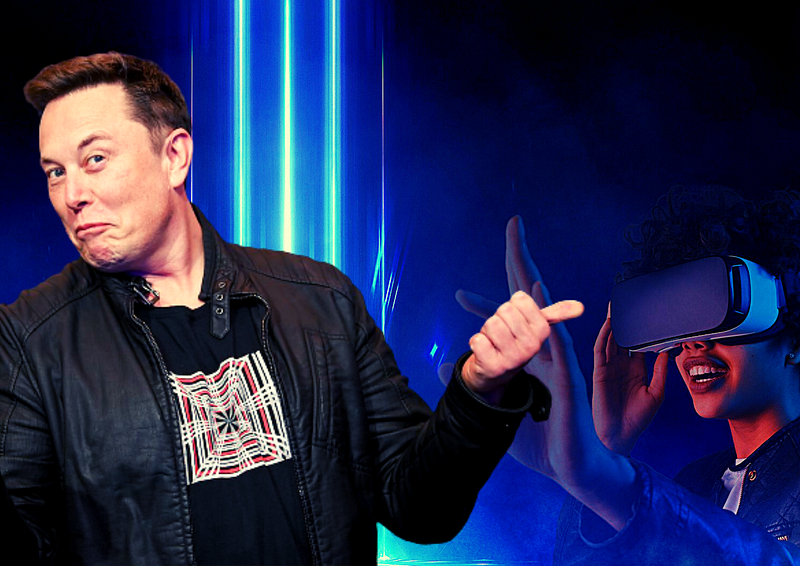
Would you rather walk around with virtual reality [VR] goggles on your head or implant a chip in your brain?
Decisions. Decisions.
The beloved Elon Musk believes Metaverse and walking around with a pair of virtual reality [VR] glasses on your head, is mediocre in comparison to his invention Neuralink.
Sure you can put a TV on your nose, I’m not sure that makes you in the metaverse — Elon Musk
They have already tested Neuralink on monkeys and the results are above FDA and US government standards, yet they are awaiting approval from the FDA to test it on humans.
Metaverse and Neuralink, are two equally exciting and controversial ideas to further evolve humanity.
It is vitally important to understand the uses and consequences of both of these inventions to remain a conscious human on this planet.
Let's look at some of these now:
What is Neuralink?
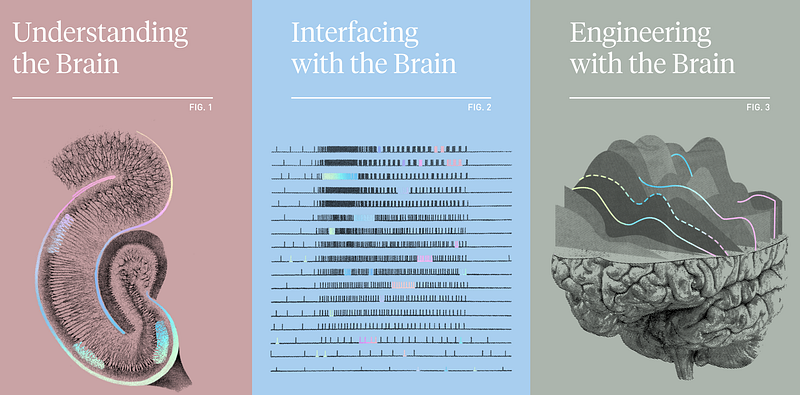
There are three parts to Neuralink as you can see in the image above.
1. Understanding how the brain works:
The brain contains over 80 billion neurons that send and receive messages. Think of it as a communication network.
The neurons are connected by synapsis which picks up the electrical signals.
A natural non-invasive way to detect this electrical activity is through Neurofeedback. I studied and practiced Neurofeedback whereby I place electrodes on the scalp at different points to detect this natural electrical of the brain.
Neurofeedback is a natural bio-hack whereby you can alter brainwave activity.
2. The interface
Bearing in mind what I explained above, imagine electrodes inside of the brain as opposed to the non-invasive electrodes used in Neurofeedback.
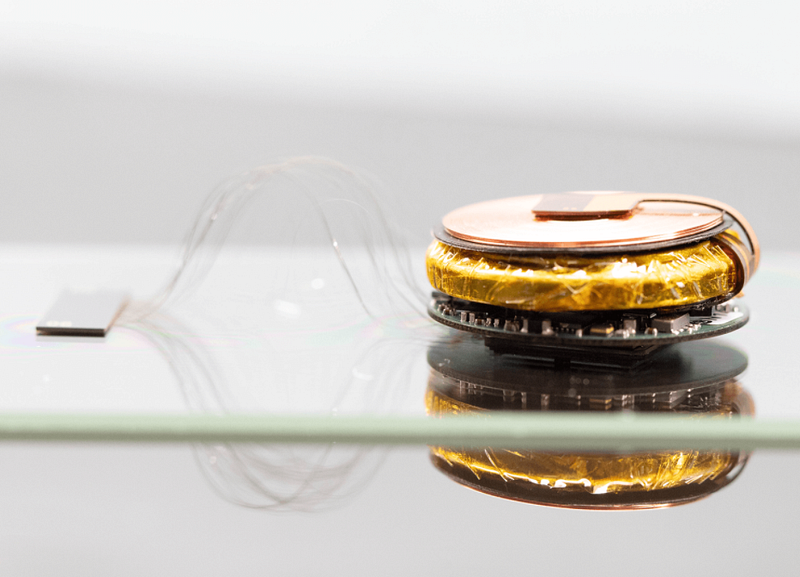
Neuralink: An implant, the Link connects with micron-scale neural threads containing electrodes. This device is sealed and can pick up the electrical signals, translate them and stimulate other signals.
A wireless charger is used which connects to the implant to charge it.
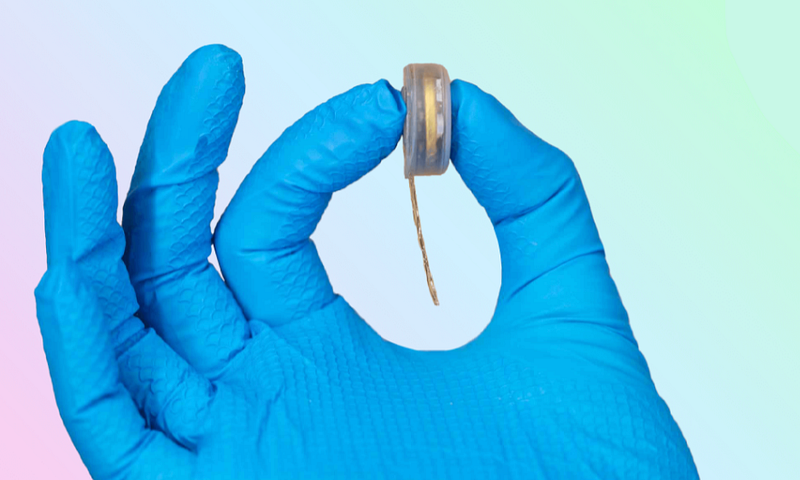
3. Engineering with the brain
Focus is placed on increasing communication between the brain and technology used on a day-to-day basis.
First and foremost Neaurlink aims to help people with paralysis become more independent through using mobile devices and computers.
What is Metaverse?
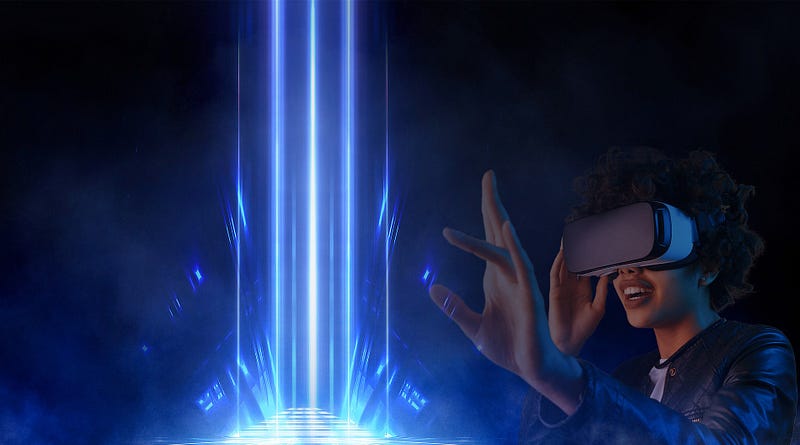
Metaverse is fairly new and you can hear and read all kinds of different perspectives, some quite hilarious.
Key aspects:
1. It has its origin in science fiction
Snow Crash — by Neal Stephenson
Selected as one of Time’s 100 best English-language novels

What others say about Snow Crash
“[Snow Crash is] a cross between Neuromancer and Thomas Pynchon’s Vineland. This is no mere hyperbole.” — The San Francisco Bay Guardian
“Fast-forward free-style mall mythology for the twenty-first century.” — William Gibson
“Brilliantly realized . . . Stephenson turns out to be an engaging guide to an onrushing tomorrow.” — The New York Times Book Review
This book is about a 3D virtual world where avatars live.
2. Definitions from apparent experts
“The Metaverse is an expansive network of persistent, real-time rendered 3D worlds and simulations that support continuity of identity, objects, history, payments, and entitlements, and can be experienced synchronously by an effectively unlimited number of users, each with an individual sense of presence.”
— Matthew Ball, author of the extensive Metaverse Primer
“The ‘metaverse’ is a set of virtual spaces where you can create and explore with other people who aren’t in the same physical space as you.”
Andrew Bosworth, VP, Facebook Reality Labs and Nick Clegg, VP, Global Affairs
“a multiverse which interoperates more with the real world”
— Raph Koster, game designer
“a magical Zoom meeting that has all the playful release of Animal Crossing.”
3. Use cases and benefits
[a] Marketing opportunities:
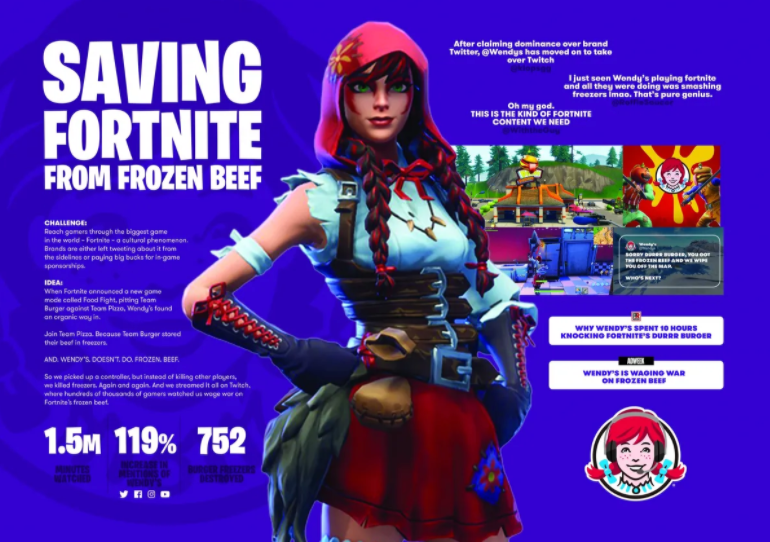
Wendy’s used a character resembling their mascot, in Fornite to eliminate the freezers in Food Fight mode. This was initiated after they noticed that the Durr Burger restaurant in the game stored its virtual beef in freezers.
Wendys saw this as an opportunity to advertise their “fresh, never frozen beef”.
They won several awards for this.
[b] Virtual office spaces:
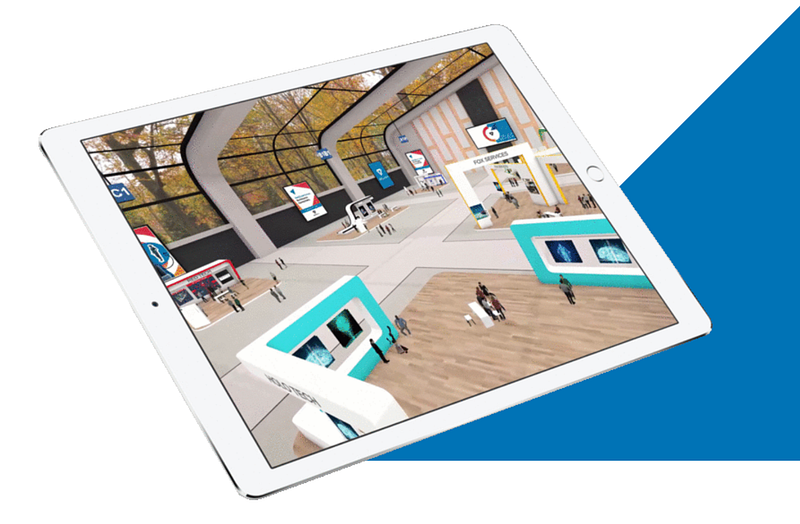
Virtuworx created a hybrid virtual reality that gives new meaning to the work environment.
It is fully customizable with trade shows, conferences, general office space, and virtual training.
It gives the participants the opportunity to engage rather than just stare at a Zoom screen.
[c] VR tourism

Now as an avid traveler this one is a bit sad, but hey, anything can happen like the pandemic, and going on a virtual vacation is better than no vacation [I suppose?]
Not 100% sold on this one. Perhaps people should start eating virtually to reduce obesity then?
Part of the joy of being human is to experience touch, taste, and smell.
[d] Virtual learning spaces at home
Universities and schools use online worlds like Second Life and the game Minecraft to create a virtual learning space for learners.
Here are some examples:
Conclusion
Elon Musk has a point. It is not very efficient to walk around with goggles on your head whilst still performing other human tasks. It is in the infant stage.
He believes that Neuralink technology will be able to create a virtual reality with much more sophistication.
The question you really need to ask yourself is:
Invasive[inplant] vs Non-invasive [goggles on head]?
Watch free training on how to remove mental blocks and learn about true happiness and super-efficiency using little-known natural biohacks.
Gratitude to all supporters, today I send positive energy to these writers I enjoy, check them out Dr Mehmet Yildiz Dr. Preeti Singh Burk Prince Verma Don Martin
Avid readers, subscribe to Medium so that you can enjoy unlimited stories!


