
Elephants Are More Resistant to Cancer Than Humans. Scientists Have Found a Clue to This Phenomenon
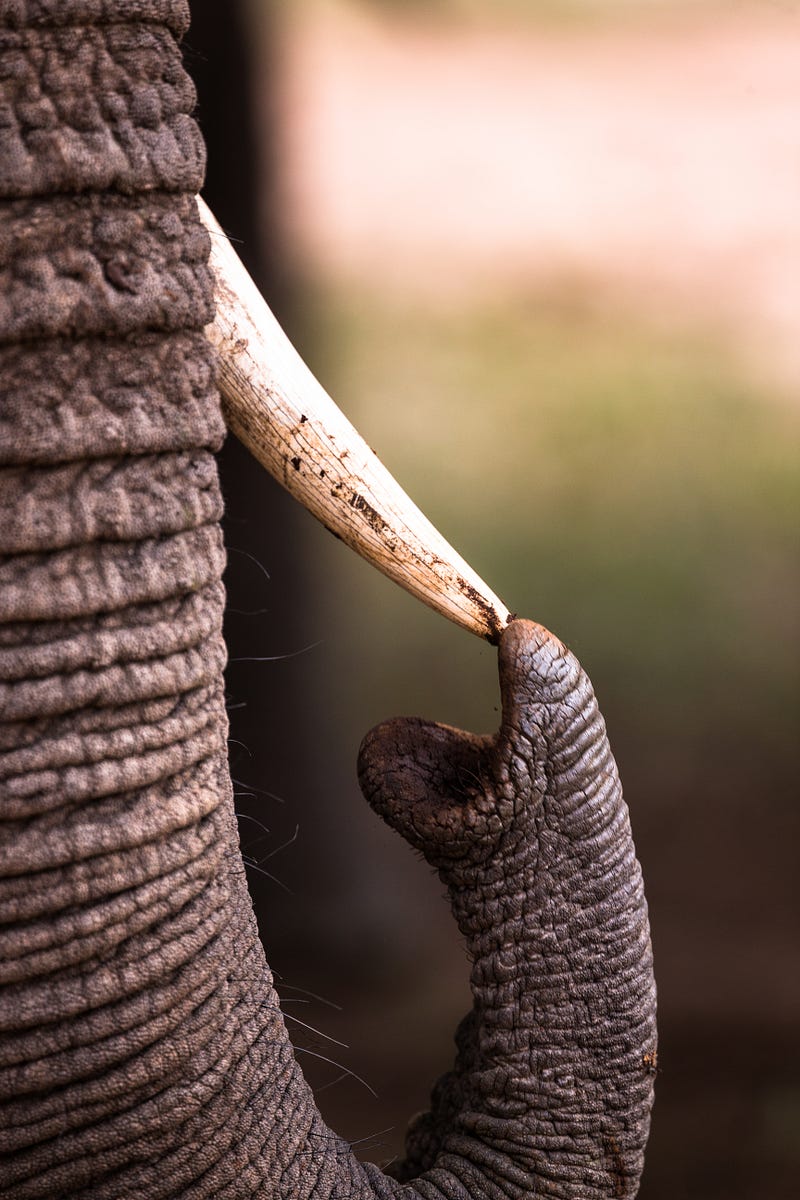
Compared to many other animals, elephants are long-livers and can live up to 70–80 years, which is comparable to the average life span of humans in many countries of the world.
These truly gigantic animals can also get cancer, just like humans. However, only five percent of elephants die from this disease despite lack of treatment, while in some human populations, this figure reaches 11–25 percent.
Scientists have found that the elephants’ high resistance to cancer may be linked to the presence of 20 copies of the p53 gene, which scientists also call “the guardian of the genome”.
Other mammals can boast only one sample of this gene.
But do we need so many copies? Let’s find out!
The function of the p53 protein is to remove from the pool of replicating cells only those cells that are potentially oncogenic.
The trigger of its activation is DNA damage, after which this protein stops the process of DNA copying, proceeding to its repair.
This is why the p53 protein, in addition to its first “guardian profession”, has a second occupation as a “repairer” of the genome.
Even in perfectly healthy people, cells can become damaged. A cell with damaged DNA must die by apoptosis.
If a mutation has occurred that prevents damaged cells from dying by apoptosis, they have an increased chance to become cancer cells.
Apoptosis is genetically programmed cell death, which results in the “neat” disassembly and removal of cells without the development of inflammation.
Thus, malfunctions of the p53 protein are a major factor in the uncontrolled division of cancer cells.
But the p53 protein does not have unlimited power. Moreover, it voluntarily shares it by creating another protein called mdm2, which becomes a radical opposition that ungratefully overthrows the power of its originator. ( Oh how it reminds me of something!)
In the absence of a serious DNA mutation during the copying, mdm2 joins p53 and drags it to its death.
If the “repairer” protein finds damage in the DNA, then it creates a cocoon of phosphoric acid residues around itself, preventing the mdm2 “police” protein from getting close to itself.
It will stay out of reach until the DNA damage is sorted out.
It begs the question why is the p53 protein self-destroying? Is he suffering from suicidal tendencies?
I have analyzed additional scientific research and found a reason for this phenomenon. Well, the point is that in certain situations P53 can fail to do its job, allowing cells with damaged genes to continue to divide.
Usually in such situations, the anti-cancer immune system, for example, an army of immune cells called Natural Killers will come into play.
While in the initial stage of DNA damage, the p53 protein is a protector, when a cancerous tumor has already progressed, it becomes a catalyst for its growth (at least for some types of cancer), according to the results of this scientific study.
But back to the elephants
The 20 copies of the p53 gene in elephants can only conventionally be called copies, because they differ from each other and, as a result, many similar proteins can work simultaneously in the animal’s body.
It is like a quality control conveyor belt. In case one copy of a protein misses a cellular defect or fails to correct it in time, it will be backed up by 19 “colleagues”.
Why do elephants need so many copies? And do humans need so many of them?
In nature, everything is created intelligently and rationally
Elephants are the largest land animals on Earth. At least if you take into account the ones that are alive today.
Did you know that tall people are more likely to get sick and die from cancer than short ones?
There are a couple of reasons for that:
- Tall people have more cells in their bodies than people of average and short stature, which means their risk of DNA mutations is higher. After all, a mutation can occur in the DNA of any cell. More cells mean more potential threats.
- Tall people usually have higher blood levels of IGF-1 (Insulin-like growth factor 1) than small ones. Growth factors promote faster cell division and tumor growth.
Humans are tiny compared to the huge parameters of these big-eared giants.
For example, the size of the African savannah elephant is truly impressive. Its body length varies from 6 to 7.5 m, and height — from 3 to 3.8 m, the average weight of males equals 5 tons, and the average weight of females — about 3 tons. The largest officially recorded weight was 12.2 tons.
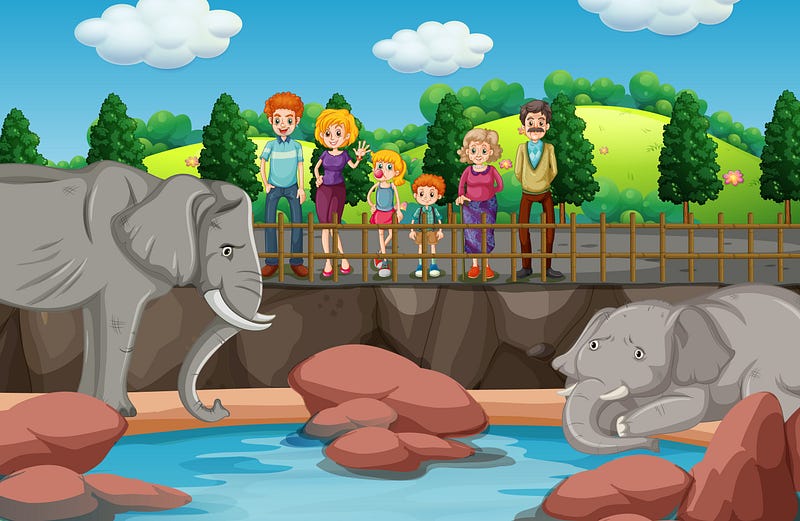
Common sense suggests that such a large animal requires much more protective mechanisms at the DNA level. This seems to be the main reason for the large number of copies of the p53 gene in elephants. One copy just couldn’t handle the load.
Do You remember I told You at the beginning of the article that the survival rate from cancer in different human populations is 11 to 25 percent, compared to 5 percent for elephants?
20 copies of the p53 gene do not reduce elephant cancer mortality by 20 or 10 times.
But there are many external factors that are present in many people’s lives that elephants do not have, which affect the appearance of cancer cells and the speed of their growth.
That’s why we, humans, don’t need many copies of this gene. Our task is to protect our single copy of the p53 gene from external anthropogenic factors and strengthen anti-cancer immunity.
There is a lot we can do in this direction.
I will talk about this and many other interesting things in my future stories. If you don’t want to miss them, subscribe to the email reminders for my new stories. and follow the publication Beautiful Youth and Healthy Aging if you want to see my stories in your recommendation feed more often.
You can support and motivate my writing: Get unlimited access to all stories on Medium. Part of the fee will support my writing! Or you can buy the author a coffee
Originally published at https://byhahealth.com on December 3, 2022.


