
Advances in membrane techniques and nanotechnology solutions
Why Don’t You Use Nanotechnology To Purify Your Drinking Water?
How do you eliminate coronaviruses from Wastewater?
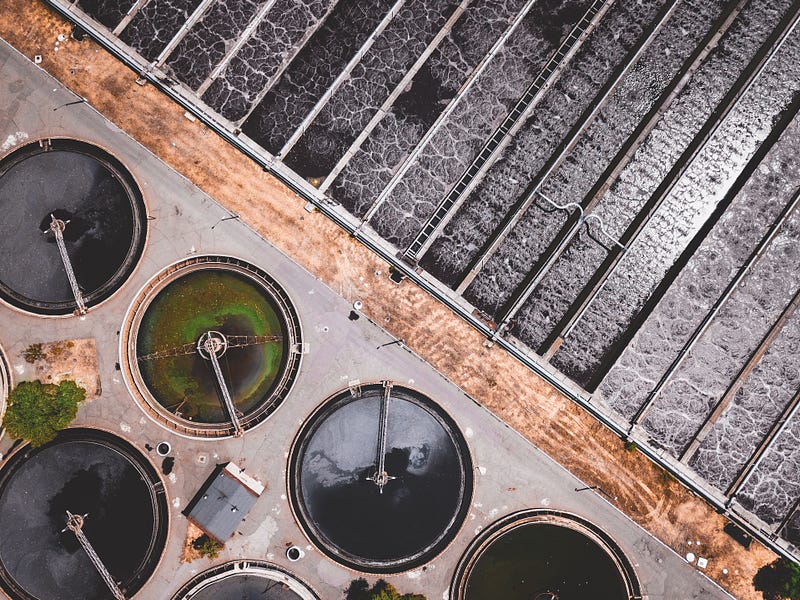
Advances in industrial and domestic water filtration and purification
Automatic Variable Filtration (AVF) systems are suitable for drinking water and municipal wastewater treatment, wastewater recirculation and reuse, pre-filtration for membrane processes, and desalination. The technology is used in industrial and domestic water filtration and purification systems. [Source: 6]
The role of Aquaporin Inside membranes
Aquaporin Inside membranes are the only membranes on the market that use aquaporins to purify drinking water. The membranes are available for both direct osmosis (FO) and reverse osmosis (RO). The Aquaporin Inside (tm) technology of the Danish clean technology company Aquaporin is based on a biomimetic membrane design for water purification. Aquaporins provide fast and highly selective water transfer across the cell membrane. [Source: 6]
The role of membrane bioreactor (MBR) technology in fighting viruses
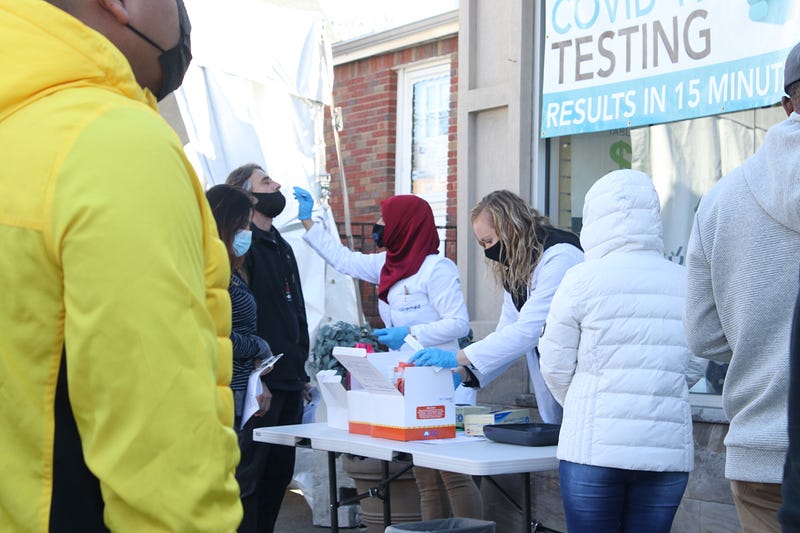
In order to effectively remove viruses, researchers charge the membrane by adding cellulose fibers. The positively charged cellulose fibers will also attract the adhesion of negatively charged viruses. The research team developed a new ultrafiltration membrane that uses “zwitterionic hydrogel polymers” to retain positive and negative charges.
This process reduces the accumulation of viruses on the surface of the filter. Researchers also focused on membrane bioreactor (MBR) technology, which can produce high-quality treated wastewater without the by-products that may be produced by chemical disinfection. [Sources: 4, 9]
The role of nanosensors to analyze and detect pollutants
So far, there are few reports on membrane water sampling methods used for COVID (CoV) analysis. Nanosensors, such as sensors based on titanium oxide nanowires or palladium nanoparticles, are used to analyze and detect pollutants in water samples.
The research team added that the impurities that nanotechnology can eliminate dependence on the water purification stage in which the method is applied. It can also be used to remove sediment, chemical wastewater, charged particles, bacteria, and other pathogens. [Sources: 7, 8]
Nanotechnology also exploits the presence of nanoscopic pores in zeolite filtration membranes, as well as magnetic nanocatalysts and nanoparticles. The main applications of nanotechnology in water purification processes include nanoparticles of silver, copper, and zero-valent iron (ZVI), nanostructured photocatalysts, nanomembranes, and nanoadsorbents.
Nanomaterials have made a significant contribution to the development of more efficient and economical water filtration processes, as membrane technology is considered one of the advanced water/wastewater treatment processes (81,91). [Sources: 1, 6, 7]
The role of Electrically Spun Nanofiber membranes
Electrically Spun Nanofiber membranes can play an important role in water treatment due to their beneficial characteristics, providing a promising future for safe and reliable water availability.
The role of Electro spun Nanofiber Membranes (ENMs)
Electro spun nanofiber membranes (ENMs) represent an innovation in the field of water and wastewater treatment, offering an easy, economical, and less energy-intensive process than conventional membranes. ENM is an innovative membrane technology that provides significantly higher flow and high rejection rates compared to the conventional membrane. Highly porous electrically spun membranes have great potential for removing bacteria from wastewater. [Sources: 4, 5]
The importance of producing ENMs with a smaller pore size
For efficient virus removal, the electroformed membrane can be made with smaller pore size. By carefully adjusting the process parameters, it is possible to produce ENMs with smaller pore sizes to remove viruses. However, a filter with a pore size of 0.1 mm was previously used to purify the solution containing MERS-CoV from bacteria. [Sources: 4, 8]
The collection of the COVID (CoV) captured by the filter
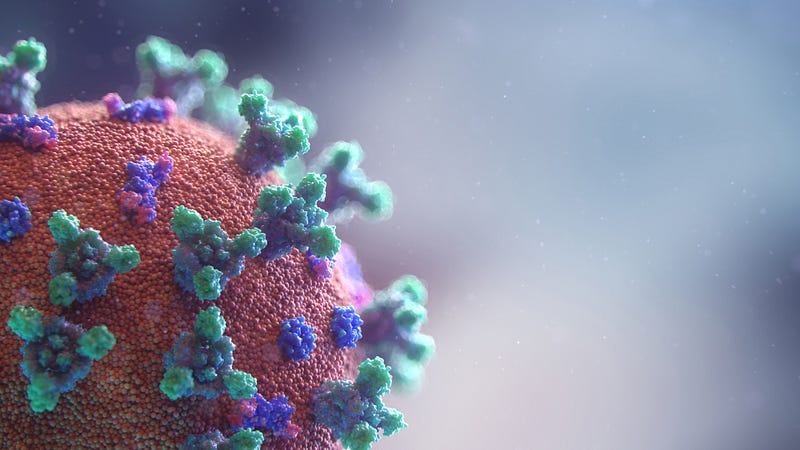
To minimize the loss of viruses during ultrafiltration, backwashing of the ultrafilter was also used to collect any viruses captured by the filter(17, 3.) Reported precipitation of CoV in water samples includes precipitation caused by aluminum chloride and polyethylene glycol (PEG) (molecular weight 6000 or 8000) due to sedimentation due to its high hydrophilic properties (Table S1, ESI +).
By decreasing the pH in water samples, positive charges will be generated on the surface of the virus, and thus an electronegative filter can be used to concentrate CoV. (17) Alternatively, using an electropositive material, negatively charged congenital virus can be adsorbed without preliminary preparation of the water sample. (18, 2)
Ultrafiltration is a size exclusion method. Based on previous studies, three molecular weight cutoffs of 10, 30 and 100 kDa were used for ultrafiltration to concentrate CoV in water samples (Table S1, ESI +). [Source: 8]
Filter membranes containing radially oriented CNTs are very effective at removing bacteria and viruses in a very short time due to sizing and deep filtration [245, 247] and thus allow these filters to be used as economical and disinfecting devices.
For example, carbon nanotube membranes can remove virtually all types of water contaminants, including turbidity, oils, bacteria, viruses, and organic pollutants. Filtration systems based on CNTs can remove organic, inorganic, and biological compounds from water. [Sources: 1, 6, 7]
Using composite nanofiber membranes for water/wastewater treatment
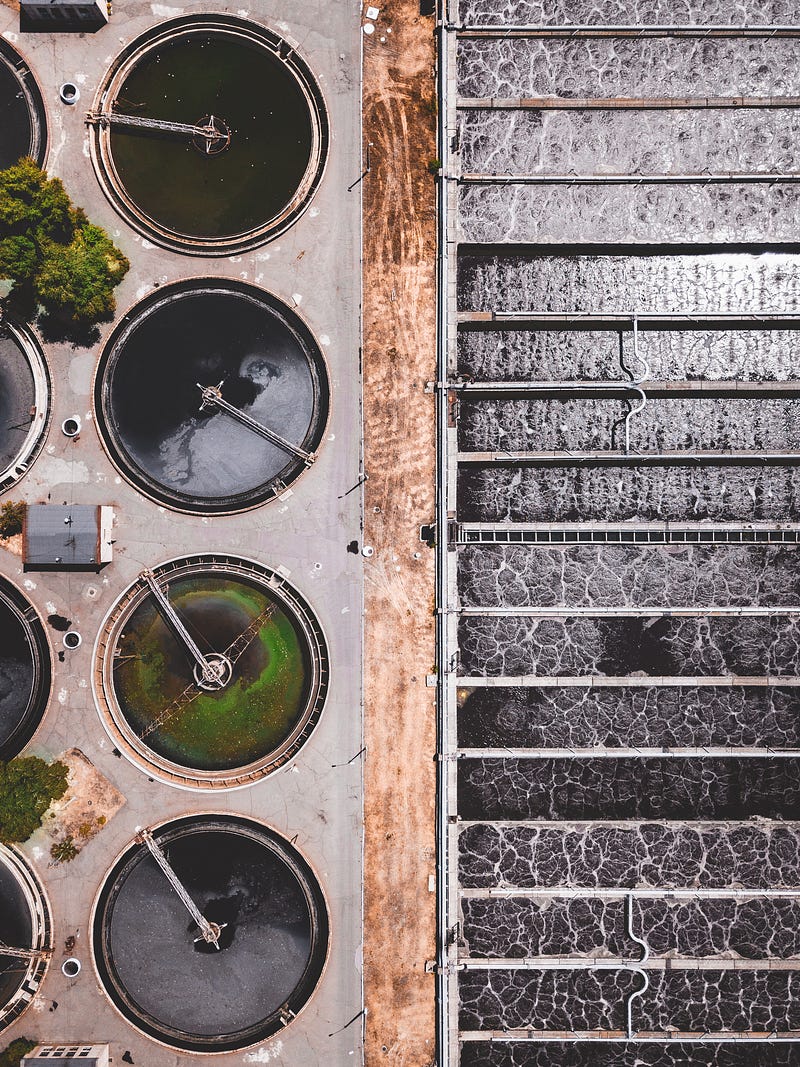
The use of composite nanofiber membranes for water/wastewater treatment is very limited and a stand-alone system (Fig. 3) is proposed to remove all types of contaminants, including bacteria /viruses, heavy metals, and complex organic compounds and ions. New filtration using electrically spun nanofibrous membranes could be a promising method for improved water treatment. Advances in nanotechnology have given hope to replenish water sources as new research has highlighted the potential of electrically spun nanofiber membranes as a method of filtering water. [Sources: 1, 5]
Using nanotechnology to combat the global water shortage

Using this advanced nanotechnology to filter and purify water will be the key to solving the global water shortage. Global water purification product manufacturers are exploring advanced water filtration technologies, such as carbon nanotubes and advanced membrane systems, to better serve customers.
The use of membrane technology to treat water/wastewater is cost-effective and technically feasible and may be a better alternative to traditional treatment systems because of their high efficiency in removing pollutants and meeting high environmental standards [53]. [Sources: 1, 5, 6]
Using ENM can effectively remove and filter hazardous waste from unsafe water, eliminating all dissolved solids and the ability to remove protozoa and bacteria such as E. coli. Electrically Spun Membrane Filtration is a new process for inactivating pathogens in water and wastewater and preventing waterborne diseases around the world. [Sources: 4, 5]
The promise of nanotechnology in water purification and protecting the environment
New nanotechnology research using electrically spun polymer nanofibrous membranes could be a promising solution for water purification. Nanotechnology currently plays a potentially vital role in the medical field and in addressing the health problems associated with viruses. As such, researchers have focused on the role of nanoscience in diagnosing, treating, filtering, and protecting the environment from the risk of COVID-19.
Researchers in the cited sources at the end of this paragraph have discussed potential nanotechnology-based biosensors for diagnosing SARS-CoV-2 with a particular focus on lateral flow analysis. [Sources: 5, 11, 14]
How to combat the COVID-19 virus with nanotechnology
Nanotechnology-based technologies can be used to combat the COVID-19 pandemic in a variety of ways, including developing sensitive, rapid and specific diagnostic tools for COVID-19, using nanomaterials to provide antiviral agents, improving contact tracking, and covering the surface of nanomaterials The tool is used to inactivate viruses and prepare effective disinfectants for the environment (40).
The ongoing COVID-19 pandemic demonstrates the importance of effective treatment tools and the severe lack of technology to combat the spread of the virus in the environment. [Sources: 0, 12]
Many viruses spread in the environment in water, some in bulk (waterborne viruses) (2, 3, 4) and others in small droplets carried in the air (airborne viruses) (5.6, 7 , 8, 9). [Source: 12]
Much more development of ENMs and related nanotechnology processes remains to be done
Consequently, the development of effective barriers against the spread of viruses through the diffusion of environmental fluids is critical to prevent global contamination. Despite decades of scientific and technological development, no existing technology can eradicate viruses from water everywhere, unless it is extremely energy-intensive (eg, silver-based technology) (32,33).
Despite advances in nanotechnology, 3D printing, and microfiltration much more can be done to improve membranes. While membrane technologies are one of the fastest-growing aspects of water treatment, much remains to be done to ensure that barriers can rid wastewater of any pollutants it may carry. [Sources: 9, 12]
I hope my article has meaningfully increased your awareness of the advances in membrane techniques and nanotechnology solutions to not only water purification methods using nanotechnology but also how these breakthroughs have helped in the fight against the ongoing pandemic! My thanks to @DrMehmetYildiz, of course, for permitting me to share my nanotechnology articles in Technology Hits.
Thanks for reading! If you liked my article, subscribe to Medium to get more articles that I publish regularly!
Free or $5/month: Check out Medium — a social media platform venue for freelance writers like me
If you want to support me as a writer, consider signing up to become a Medium member. It’s $5/month, giving you unlimited access to stories on Medium. If you sign up using my link, I’ll earn a small commission.
Join Medium with my referral link:
If you like my article, do remember to clap for me and check my other stories on my Medium Profile page at:
You can find me on LinkedIn (ID: azpat0) I am a freelance writer- available to write YOUR blog posts or articles! Samples of my work are on my website (FullDisclosure: This link will take you offsite outside of Medium):
I also publish a free weekly newsletter on Substack: The Market Algo Newsletter — forecasts the direction of the S&P 500 index for the upcoming week
Full Disclosure: This link will take you offsite outside of Medium:
Sources
[0]: https://www.futuremedicine.com/doi/10.2217/nnm-2020-0441
[1]: https://www.hindawi.com/journals/amse/2014/825910/
[2]: https://onlinelibrary.wiley.com/doi/10.1002/adhm.202000979
[3]: https://www.degruyter.com/document/doi/10.1515/ntrev-2022-0001/html
[4]: https://iwaponline.com/jwrd/article/9/3/232/65579/Nanotechnology-for-water-purification-electrospun
[5]: https://www.azonano.com/article.aspx?ArticleID=5818
[6]: https://www.water-technology.net/features/latest-water-purification-technologies-top-five/
[7]: https://www.sciencedaily.com/releases/2010/07/100728111711.htm
[8]: https://pubs.rsc.org/en/content/articlehtml/2021/cs/d0cs00595a
[9]: https://www.wateronline.com/doc/new-membrane-gel-keeps-viruses-out-of-wastewater-0001
[10]: https://www.nih.gov/research-training/medical-research-initiatives/radx/funding
[11]: https://www.frontiersin.org/articles/10.3389/fnano.2020.589832/full
[12]: https://www.nature.com/articles/s41565-021-00920-5
[13]: https://pubs.acs.org/doi/10.1021/acsnano.0c03697
[14]: https://link.springer.com/article/10.1007/s41204-021-00108-1