
Why Do We Feel The Need To Share Everything Online?
The psychology of social media
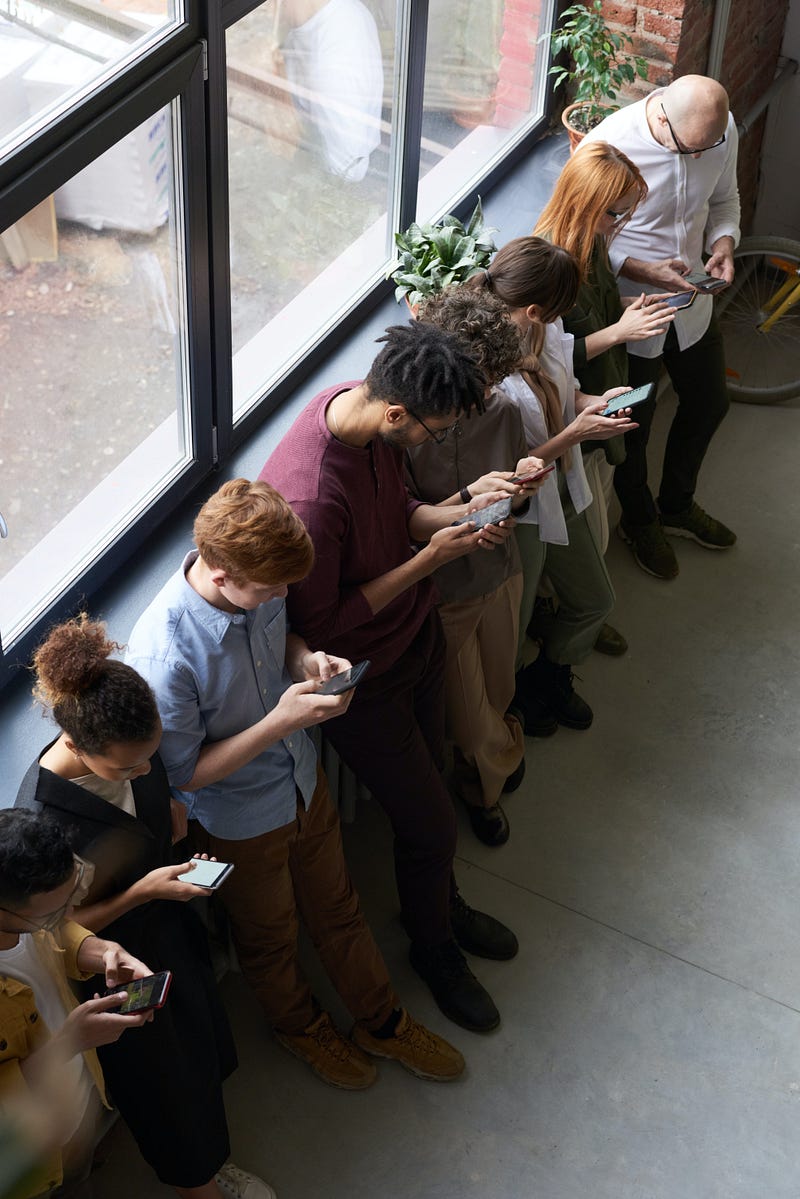
Why this incessant need to chronicle our lives in pixels? What impels us to share fragments of our existence in the vast digital space? How is this entwined with maintaining an online persona and, in turn, affecting our sense of self-worth in the tangible world? What qualifies as post-worthy, and why do we cloak the raw and imperfect under the veil of curated coolness?
In my contemplation, a central thesis emerged: our online conduct is, at its core, a reflection of our offline sense of worth. It mirrors our psychological state, especially concerning self-esteem and nuanced tendencies like narcissism, anxiety, and depression. These psychological nuances cast a profound shadow on our digital behaviours, each a reflection of our internal worlds.
I stumbled upon the revelations of psychologists Wilcox and Stephen. Their exploration, encapsulated in the paper ‘Are Close Friends the Enemy? Online Social Networks, Self-Esteem, and Self-Control,’ shed light on the intricate dynamics of self-esteem in the digital realm. Platforms like Facebook, they argued, could be catalysts for an upswing in self-esteem.
People tend to present a socially desirable facade online, crafting a positive self-view. This digital veneer, paradoxically, elevates self-esteem but concurrently chips away at self-control. The theatre of keeping up appearances and meticulously curating an online identity becomes a stage for self-esteem elevation but often veils our authentic selves.
For the narcissist, the digital applause is hype, feeding into the insatiable need for admiration. The more the post receives, the more potent the elixir of validation becomes. In the anxious heart, online interactions transcend the digital realm, sipping into real-life insecurities. The reception of online posts intertwines with the anxiousness of social acceptance.
Yet, this reliance on social media as a wellspring of self-esteem is a precarious foundation. A foundation prone to erosion by the tides of likes and comments, pushing individuals toward a psychological precipice. This superficial validation can birth psychological addiction, corroding the delicate white matter in our brains, just like drug addiction.
At its essence, seeking self-esteem from the ephemeral applause of social media is a fragile pursuit. It renders us susceptible to the capricious winds of likes and comments, fostering a psychological dependency that is similar to substance addiction. The very core of self-esteem demands introspection, a gaze inward rather than an external fixation on the fleeting affirmations of digital platforms.
In my narrative exploration, I posit that this reliance on social media to bolster self-worth has repercussions far graver than we fathom. It not only renders us vulnerable to the ever-shifting metrics of validation but can spiral into psychological addiction, similar to the corrosive clutches of substance abuse. The true essence of self-esteem lies in the profound work we undertake within ourselves, which is often overshadowed by the ephemeral allure of social media accolades.
As we navigate this intricate dance between the tangible and the digital, let us not forget that a healthy sense of self-worth is cultivated by embracing the entirety of our existence. To post something deemed post-worthy while cloaking the shadows of our lives perpetuates an unconscious association of shame with the concealed facets. A robust sense of self-worth emerges when we liberate ourselves from the shackles of external validation, fostering an environment where growth flourishes without the looming fear of failure.
Our digital addiction, in essence, stems from a deep-seated quest for external validation, overshadowing the pursuit of true happiness. Let us, therefore, not share our lives online to satiate this external hunger but, instead, to nourish our own joy, embracing the nuances, imperfections, and complexities that make us inherently human.