avatarTameem Rahman

Free AI web copilot to create summaries, insights and extended knowledge, download it at here

2996

Abstract

<p id="ea0d">So, I open the email, click on the link, and it brings me here:</p><figure id="db33"><img src="https://cdn-images-1.readmedium.com/v2/resize:fit:800/1*GPLnZTnDmy-qV110DeDLfQ.png"><figcaption>Screenshot by author</figcaption></figure><p id="4130">And of course, there it was.</p><p id="c271"><i>GET 45% OFF ALL PLANS UNTIL MAY 26*</i></p><p id="05a8">I was tempted, not gonna lie, but for now, I think I’ll just stick to writing more and learning from trial and error (not this time, Grammarly).</p><p id="8448">Here’s another example, if you’ve ever shopped online, I’m sure you’ve seen it somewhere, science says it’s the leading factor for anxiety (it’s me, I’m science):</p><figure id="67cc"><img src="https://cdn-images-1.readmedium.com/v2/resize:fit:800/1*3g80r8VRBQ5FHdSFnugLqw.png"><figcaption>Screenshots by author</figcaption></figure><p id="1354">Oh, Amazon, always rushing us, eh?</p><h1 id="22c5">3. “It’s always a competition, Veronica!”</h1><p id="238d">— some highschool teenager.</p><p id="6a9e">There’s truth to that. Stir some competitive spirit and you’ll find Bob on aisle 9 fighting Karen for a “limited edition” hairbrush —although he’s bald.</p><p id="3952">See, not only do we not like missing out on things, but we abhor the thought that others might get something great before we do. Devious FOMO campaigns take advantage of this natural selfishness to inspire action from the consumer.</p><p id="90b8">Booking.com, for example, treats apartment scouting more seriously than surviving The Hunger Games.</p><figure id="5b6e"><img src="https://cdn-images-1.readmedium.com/v2/resize:fit:800/1*6L962NCZGgFjyw-JAyH0aA.jpeg"><figcaption>Screenshot by author</figcaption></figure><p id="ce9f">This is to get you to rush-buy it before others, sometimes we do it before thinking practically and it can be a waste of money, but it's too late — you already gave them your money.</p><h1 id="c1fa">4. I’ll get this to your doorstep, for free 😎</h1><p id="2f0d">Did you know that <a href="https://marketingland.com/e-commerce-report-9-10-consumers-say-free-shipping-no-1-incentive-shop-online-180280">9 out of 10 consumers</a> say free shipping is the #1 incentive to buy more online?</p><p id="0e83">Since we love it so much, businesses limit it so consumers won’t take it for granted and we’ll love it even more.</p><p id="6fac"><i>ORDER IN THE NEXT 14 MIN AND 32 SECS TO QUALIFY FOR FREE SHIPPING!</i></p><p id="2115">I think we’ve all clicked to purchase within that time frame or bought an extra item off Amazon so that we can get free delivery, haven’t we?</p><p id="f801">We’re tempted to because we think that we’re saving money by putting in the extra bit of effort, it’s just a scheme to give them your money 14 minutes and 32 seconds quicker.</p><h1 id="a4c9">5. I mean, I guess it’s cool if they’re doing it…</h1><p id="4c85">We have a collectivist nature.</p><p id="f956">If we see large groups of people follow a trend or favour one thing over another, mo

Options

st of us will follow suit because we subconsciously feel more comfortable since others are doing it.</p><p id="709d">Let’s take a look at an example (look at the bottom-left of this image):</p><figure id="068d"><img src="https://cdn-images-1.readmedium.com/v2/resize:fit:800/1*Szr1yF3gErsQhpigggU8Ag.png"><figcaption><i>Hey Jakobe, you from Tennessee? Because you’re the only ten-I-see 😉 (No? OK). | Screenshot by author</i></figcaption></figure><p id="e958">Now that I’ve seen “Jakobe from Tennessee” join trustpulse, I have a little more trust in the service and therefore more inclined to join them — at least, that’s the idea.</p><h1 id="da9a">6. Hey, this one’s for you 🥂</h1><p id="bf66">If I wrote this article and dedicated it to you, would you read it? (You better)</p><p id="a54e">Nothing triggers FOMO more than the feeling of exclusivity. As human beings, we’re excited when we get our hands on an opportunity very few people have. It makes us feel important, and we don’t wanna pass up the offer.</p><p id="e484"><i>45% off Grammarly premium just for me? YES!!</i></p><p id="cffc">I mean, why do you think Amazon has over <a href="https://www.digitalcommerce360.com/article/amazon-prime-membership/">112 million prime users</a>? Those people want exclusive deals, fast/free shipping, and other add-on services that others can’t get.</p><p id="70a0">Exclusive offers also increase brand loyalty, Spotify knows this.</p><p id="cbcf">I’m a Spotify premium subscriber, I listen to music all the time so it’s appropriate for me. Two years back, in 2018, I open Spotify and a pop-up appears. They’ve apparently partnered with Google to give out free google home minis to their premium subscribers, for free.</p><p id="e35f">But, for those who were not members…</p><figure id="dc42"><img src="https://cdn-images-1.readmedium.com/v2/resize:fit:800/1*Qbgf4GWx1r4_ERM4PntbSQ.png"><figcaption>That’s their subtle way of telling you, get a subscription! | Screenshot by author</figcaption></figure><p id="2eea">See how that works?</p><p id="b1f5">Never have I ever felt more proud of my decision not to join Apple music.</p><p id="8876">So, guess who’s not leaving Spotify anytime soon?</p><h1 id="a0f3">Key Things to Lookout For</h1><p id="0747">Companies all around us…</p><ul><li>Show that there’s limited stock the product</li><li>Put a timer on the product/deal</li><li>Arouse a competitive spirit within consumers</li><li>Limit free shipping</li><li>Include social proof to make you more comfortable buying</li><li>Make an exclusive offer you just can’t refuse</li></ul><p id="4cfb">Such simple and subtle add-ons get us to click “purchase”.</p><p id="386b">Did you know that <a href="https://strategyonline.ca/2015/03/09/the-impact-of-fomo/">60% of millennial consumers</a> make a reactive purchase within 24 hours after experiencing FOMO?</p><p id="bd17">Looks like living under a rock is a serious issue.</p><p id="9d3c">It doesn’t have to be though, now you know.</p></article></body>

Why Do We Always Click “Purchase”?

Because businesses use these 6 devious ways to sell products
Photo by Xiaolong Wong on Unsplash

Let’s face it, nobody likes the feeling of being left behind.

We always want to stay in the loop.

“Have you been living under a rock?”

Those words can hurt more than a break-up sometimes.

FOMO, or, the fear of missing out, is an innate psychological trigger that we just can’t help but respond to. Unfortunately, it’s being used by businesses all around us, perhaps you’ve seen them before, if not, you’ll see them now.

Once you recognize them, hopefully, you’ll no longer fall prey to it and be a smarter shopper.

1. “Only 2 left in stock — order soon!”

Remember when thousands took to the stores during the early pandemic season and filled their bags with toilet paper, of all things?

That exemplifies why scarcity, or the thought of scarcity, plays a huge role in our decisions to buy things.

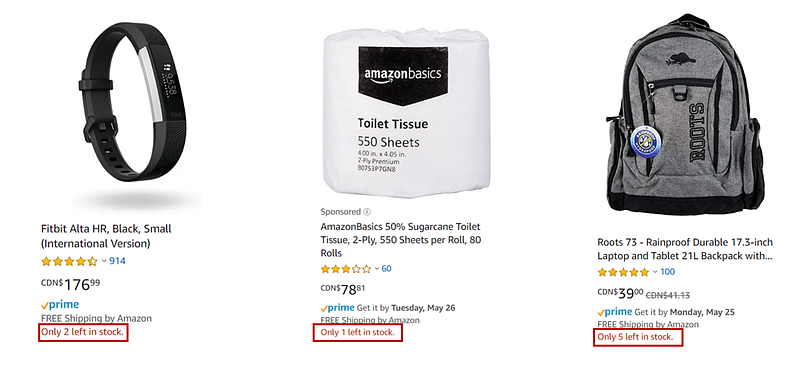
The idea is that by simply adding some extra lines (like in the red boxes) in descriptions, we’re shown that not only is the product in demand, but it’s slipping from our hands quickly — so we want to buy it before others do.
Screenshots by author

There are probably other domains with the same product or similar products at an even cheaper price, don’t be rushed into buying that Roots backpack because there’s “only 1 left”, there’s never only one left.

2. Watch the clock, time’s a wastin'!

You ever shop online and see a bangin deal, but then, in red bold letters:

OFFER ENDS IN THE NEXT 10 MINUTES, GET IT NOW!

Then you flip your entire room upside down scrambling to find your credit card that you just so happened to lose that very moment (happened to me twice).

If a great deal exists temporarily, it only adds to people’s excitement and desire to get it as soon as possible.

Such a thing happened to me the other day, in fact, it’s what prompted me to write this article. I received an email from Grammarly, offering me a discount for Grammarly premium because apparently I have 8019284 grammar issues.

Screenshot by author

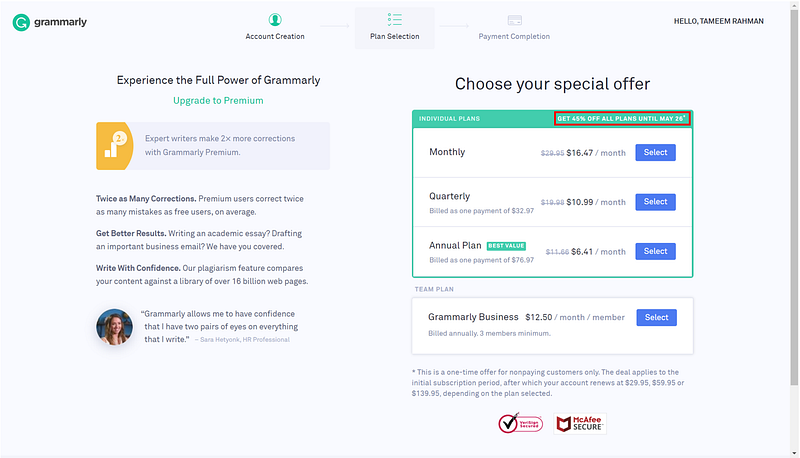
So, I open the email, click on the link, and it brings me here:
Screenshot by author

And of course, there it was.

GET 45% OFF ALL PLANS UNTIL MAY 26*

I was tempted, not gonna lie, but for now, I think I’ll just stick to writing more and learning from trial and error (not this time, Grammarly).

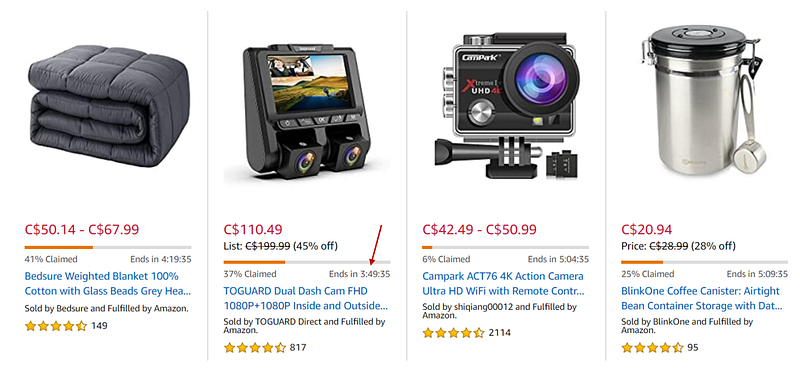
Here’s another example, if you’ve ever shopped online, I’m sure you’ve seen it somewhere, science says it’s the leading factor for anxiety (it’s me, I’m science):
Screenshots by author

Oh, Amazon, always rushing us, eh?

3. “It’s always a competition, Veronica!”

— some highschool teenager.

There’s truth to that. Stir some competitive spirit and you’ll find Bob on aisle 9 fighting Karen for a “limited edition” hairbrush —although he’s bald.

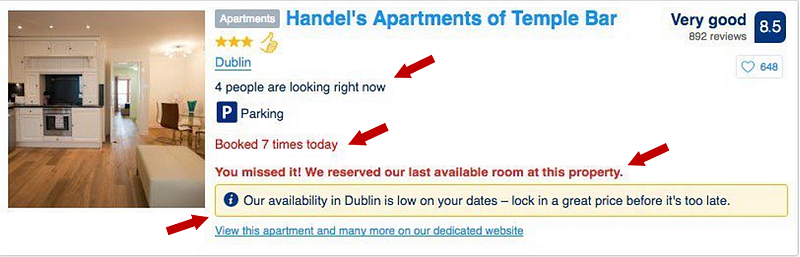
See, not only do we not like missing out on things, but we abhor the thought that others might get something great before we do. Devious FOMO campaigns take advantage of this natural selfishness to inspire action from the consumer.

Booking.com, for example, treats apartment scouting more seriously than surviving The Hunger Games.
Screenshot by author

This is to get you to rush-buy it before others, sometimes we do it before thinking practically and it can be a waste of money, but it's too late — you already gave them your money.

4. I’ll get this to your doorstep, for free 😎

Did you know that 9 out of 10 consumers say free shipping is the #1 incentive to buy more online?

Since we love it so much, businesses limit it so consumers won’t take it for granted and we’ll love it even more.

ORDER IN THE NEXT 14 MIN AND 32 SECS TO QUALIFY FOR FREE SHIPPING!

I think we’ve all clicked to purchase within that time frame or bought an extra item off Amazon so that we can get free delivery, haven’t we?

We’re tempted to because we think that we’re saving money by putting in the extra bit of effort, it’s just a scheme to give them your money 14 minutes and 32 seconds quicker.

5. I mean, I guess it’s cool if they’re doing it…

We have a collectivist nature.

If we see large groups of people follow a trend or favour one thing over another, most of us will follow suit because we subconsciously feel more comfortable since others are doing it.

Let’s take a look at an example (look at the bottom-left of this image):
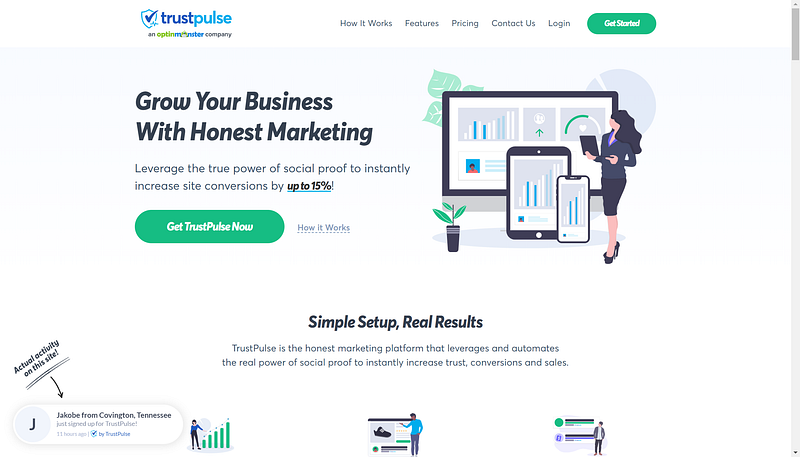
Hey Jakobe, you from Tennessee? Because you’re the only ten-I-see 😉 (No? OK). | Screenshot by author

Now that I’ve seen “Jakobe from Tennessee” join trustpulse, I have a little more trust in the service and therefore more inclined to join them — at least, that’s the idea.

6. Hey, this one’s for you 🥂

If I wrote this article and dedicated it to you, would you read it? (You better)

Nothing triggers FOMO more than the feeling of exclusivity. As human beings, we’re excited when we get our hands on an opportunity very few people have. It makes us feel important, and we don’t wanna pass up the offer.

45% off Grammarly premium just for me? YES!!

I mean, why do you think Amazon has over 112 million prime users? Those people want exclusive deals, fast/free shipping, and other add-on services that others can’t get.

Exclusive offers also increase brand loyalty, Spotify knows this.

I’m a Spotify premium subscriber, I listen to music all the time so it’s appropriate for me. Two years back, in 2018, I open Spotify and a pop-up appears. They’ve apparently partnered with Google to give out free google home minis to their premium subscribers, for free.

But, for those who were not members…
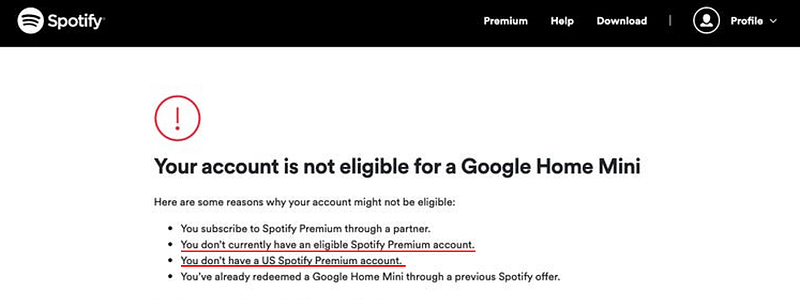
That’s their subtle way of telling you, get a subscription! | Screenshot by author

See how that works?

Never have I ever felt more proud of my decision not to join Apple music.

So, guess who’s not leaving Spotify anytime soon?

Key Things to Lookout For

Companies all around us…

  • Show that there’s limited stock the product
  • Put a timer on the product/deal
  • Arouse a competitive spirit within consumers
  • Limit free shipping
  • Include social proof to make you more comfortable buying
  • Make an exclusive offer you just can’t refuse

Such simple and subtle add-ons get us to click “purchase”.

Did you know that 60% of millennial consumers make a reactive purchase within 24 hours after experiencing FOMO?

Looks like living under a rock is a serious issue.

It doesn’t have to be though, now you know.

Business
Psychology
Humor
Self Improvement
Mindfulness
Recommended from ReadMedium