Why Do Some of the World’s Most Creative Minds Choose Solitude?
The Psychology of Why Intelligent People Are Drawn to Solitude
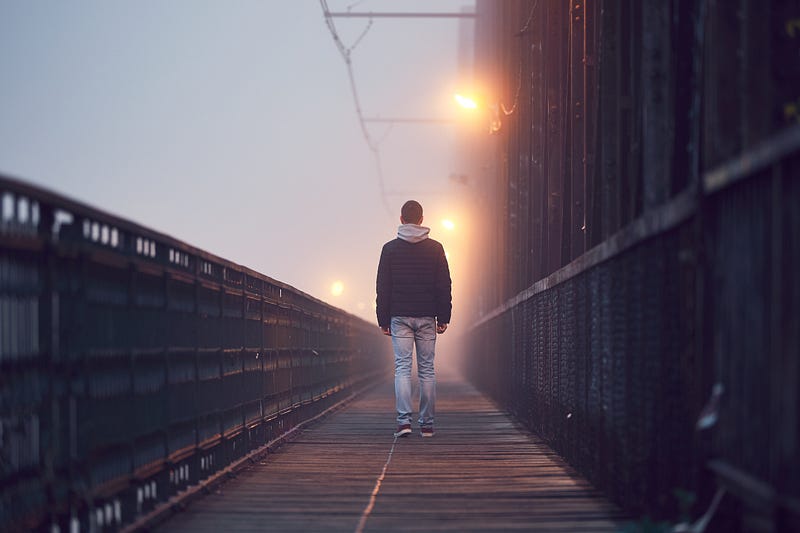
The phenomenon of highly intelligent people who have a strong preference for solitude over social interaction has been observed in a variety of contexts, including work environments, social situations, and personal relationships.
While there is no single explanation for why some intelligent people prefer solitude, research suggests that a variety of factors, including personality traits, cognitive processes, and environmental factors, can contribute to this preference.
One potential explanation for this phenomenon is that intelligent people may have a greater need for mental stimulation and intellectual challenges than others.
This can lead to a preference for solitary activities, such as reading, writing, and thinking deeply about complex ideas.
Furthermore, highly intelligent people may be more sensitive to environmental stimuli, such as noise and social interaction, which can be overwhelming and distracting.
While the preference for solitude among highly intelligent people is not a new phenomenon, it has received increased attention in recent years due to the rise of remote work and social distancing measures during the COVID-19 pandemic.
As more people have been forced to work and socialize from home, many have reported feeling a greater sense of comfort and productivity in solitary environments.
Understanding the factors that contribute to the preference for solitude among highly intelligent people can provide insights into how they can create environments that support their personal growth and well-being.
The Science Behind This Phenomenon
Several research studies have explored the relationship between intelligence and social isolation, shedding light on the potential reasons why highly intelligent people may prefer solitude over social interaction.
A study published in the British Journal of Psychology found that highly intelligent people tend to experience more satisfaction with their lives when they spend more time alone.
The study surveyed over 15,000 participants and found that people with high levels of intelligence tended to report greater life satisfaction when they spent more time alone engaging in activities such as reading, writing, and thinking.
The researchers suggested that this may be because highly intelligent people have a greater need for mental stimulation and may find it easier to satisfy this need in solitary environments.
Another study published in the journal Intelligence found that highly intelligent people tend to experience more anxiety and stress in social situations than their less intelligent peers. The study surveyed over 1,500 participants and found that people with high levels of intelligence tended to report higher levels of social anxiety and discomfort in situations where they were required to interact with others.
The researchers suggested that this may be because highly intelligent people are more sensitive to environmental stimuli and may find social interactions overwhelming and distracting.
Taken together, these studies suggest that there may be a relationship between intelligence and social isolation, with highly intelligent people experiencing more satisfaction and less stress when they spend more time alone.
However, it is important to note that these studies provide only correlational evidence, and more research is needed to establish the causal relationship between intelligence and social isolation.
Additionally, it is important to recognize that social interaction is important for mental health and well-being, and that a healthy balance between solitude and social interaction is crucial for overall personal growth and development.
How High Intelligence Can Lead to a Preference For Solitude
There are several ways in which high intelligence can lead to a preference for solitude. Some of these factors include:
— Need for intellectual stimulation
Highly intelligent people tend to have a greater need for mental stimulation and intellectual challenges than others. They may find it difficult to engage in small talk or mundane conversations and may prefer to spend their time engaging in activities such as reading, writing, and thinking deeply about complex ideas.
This can lead to a preference for solitary activities and environments, where they can focus on these intellectual pursuits without distractions.
— Sensitivity to environmental stimuli
Highly intelligent people tend to be more sensitive to environmental stimuli, such as noise and social interaction, than others. They may find it difficult to concentrate or relax in noisy or crowded environments and may become overwhelmed or distracted by social interaction.
This can lead to a preference for solitary environments, where they can control their sensory environment and minimize distractions.
— Personality traits
Highly intelligent people tend to exhibit certain personality traits that are associated with a preference for solitude. For example, they may be introverted, highly independent, and have a high degree of self-awareness.
These traits can make it easier for them to enjoy their own company and may make it more difficult for them to form close relationships with others.
— Perceptions of social interaction
Highly intelligent people may have different perceptions of social interaction than others. They may view social interaction as less important or less rewarding than intellectual pursuits, or they may find it difficult to relate to others who do not share their interests or level of intelligence.
This can lead to a preference for solitude, where they can pursue their interests and engage in activities that are personally rewarding.
In summary, high intelligence can lead to a preference for solitude due to a combination of factors, including the need for intellectual stimulation, sensitivity to environmental stimuli, personality traits, and perceptions of social interaction.
However, it is important to note that not all highly intelligent people prefer solitude, and social interaction is an important part of overall mental health and well-being. It is important for people to find a balance between solitude and social interaction that works for them personally.
The Benefits of Solitude
Spending time alone can have many advantages, particularly for people with high intelligence who may have a greater need for mental stimulation and intellectual challenges. Some of the advantages of spending time alone include:
- Increased creativity Spending time alone can stimulate creativity and inspire new ideas. When an individual is alone, they have the space and freedom to think deeply about complex ideas and to explore their own thoughts and feelings. This can lead to innovative solutions and creative breakthroughs that may not have been possible in a group setting.
- Increased self-awareness Spending time alone can also promote self-awareness and introspection. When an individual is alone, they have the opportunity to reflect on their own thoughts, feelings, and behaviors without the distractions and biases of others. This can lead to greater self-awareness, self-acceptance, and personal growth.
- Increased productivity Spending time alone can also increase productivity, particularly for people who are easily distracted by others. When an individual is alone, they have the ability to control their environment and minimize distractions, allowing them to focus on their work and accomplish more in a shorter amount of time.
- Improved decision-making Spending time alone can also improve decision-making skills. When an individual is alone, they have the time and space to weigh their options and consider all possible outcomes before making a decision. This can lead to more informed and thoughtful decisions that are based on a deeper understanding of the situation at hand.
- Improved mental health Spending time alone can also have positive effects on mental health. When an individual is alone, they have the opportunity to recharge and de-stress, reducing feelings of anxiety and depression. Additionally, spending time alone can help people to develop a greater sense of self-worth and independence, leading to increased confidence and overall well-being.
There are many successful people who have attributed their accomplishments to their preference for solitude. Here are a few examples:
— Albert Einstein
One of the most famous scientists in history, Albert Einstein was known for his preference for solitude. He once said, “The monotony and solitude of a quiet life stimulates the creative mind.” Einstein spent much of his time alone, thinking deeply about complex ideas and developing his theories of relativity.
— J.K. Rowling
The author of the Harry Potter series, J.K. Rowling has also spoken about her preference for solitude. In an interview with The Telegraph, she said, “I am one of those people who really does prefer to be alone. It’s a capacity I have that’s been there from childhood.” Rowling spent many years as a struggling writer, working on her books in isolation and often writing for hours on end.
— Bill Gates
The co-founder of Microsoft, Bill Gates has also spoken about his preference for solitude. In an interview with The New York Times, he said, “I think introverts can do quite well. If you’re clever, you can learn to get the benefits of being an introvert, which might be, say, being willing to go off for a few days and think about a tough problem, read everything you can, push yourself very hard to think out on the edge of that area.”
Gates is known for his love of reading and spending time alone to think deeply about complex problems.
— Emily Dickinson
One of the greatest American poets, Emily Dickinson was also known for her preference for solitude. She spent much of her life in isolation, writing poetry that was deeply introspective and reflective. In a letter to a friend, she wrote, “The soul should always stand ajar, ready to welcome the ecstatic experience.”
— Elon Musk
The entrepreneur and CEO of SpaceX and Tesla, Elon Musk has also spoken about his preference for solitude. In an interview with Rolling Stone, he said, “I actually see a lot of people in interviews say, ‘I don’t need to be alone.’ And I’m like, ‘You need to be alone or you wouldn’t be doing this interview.’ “
Musk is known for his intense focus and dedication to his work, often spending long hours alone to solve complex problems and develop new technologies.
The Downsides of Solitude
While spending time alone can have many benefits, there are also potential negative consequences of spending too much time alone. Here are a few examples:
- Social isolation Spending too much time alone can lead to social isolation, which can have negative effects on mental and physical health. Research has linked social isolation to increased rates of depression, anxiety, and other mental health issues.
- Boredom Spending too much time alone can also lead to boredom, which can be detrimental to productivity and creativity. When there is no one to interact with or nothing to do, it can be difficult to find motivation or inspiration.
- Lack of accountability When there is no one else around, it can be easy to procrastinate or put off important tasks. Without the accountability that comes from working with others or being in a social setting, it can be difficult to stay on track and meet deadlines.
- Negative self-talk Spending too much time alone can also lead to negative self-talk and self-criticism. When there is no one else around to provide positive feedback or perspective, it can be easy to get stuck in a negative cycle of thoughts and feelings.
It’s important to note that these negative consequences are not inevitable and can be mitigated by practicing self-awareness and self-care. For example, people who prefer solitude can make an effort to maintain social connections and engage in activities that promote creativity and productivity. They can also seek out professional support if they experience mental health issues or feel overwhelmed by their isolation.
By maintaining social connections, engaging in activities that promote creativity and productivity, and seeking out professional support when needed, people can enjoy the benefits of solitude without experiencing the negative effects of isolation, boredom, or lack of accountability.
The Psychology Behind All This
Several psychological theories have been proposed to explain why some people are drawn to solitude. Let’s see some of them:
— Introversion
Introversion is a personality trait characterized by a preference for quiet, introspective activities and a reduced need for social interaction. According to the theory of introversion, some people are naturally more introverted and derive more pleasure from solitude than social interaction.
— Emotional intelligence
Emotional intelligence refers to the ability to recognize, understand, and manage one’s own emotions, as well as the emotions of others. Some research has suggested that people with high emotional intelligence may be more comfortable spending time alone, as they are better able to regulate their emotions and maintain a positive mood.
— Self-determination theory
Self-determination theory suggests that people are motivated to engage in activities that fulfill their basic psychological needs for autonomy, competence, and relatedness. According to this theory, some people may prefer solitude because it allows them to exercise greater autonomy over their activities and provides an opportunity for self-reflection and personal growth.
It’s worth noting that these theories are not mutually exclusive and may interact with one another in complex ways. For example, introverted people may also have high emotional intelligence, and people who prefer solitude may be motivated by a desire for greater autonomy and personal growth.
Regardless of the specific psychological factors that drive an individual’s preference for solitude, it’s important to recognize that there is nothing inherently wrong with spending time alone.
As long as people are able to maintain social connections, engage in activities that promote creativity and productivity, and prioritize their mental and emotional well-being, they can enjoy the benefits of solitude without experiencing the negative effects of isolation or boredom.
How to Maintain A Healthy Balance Between Alone Time And Social Interaction
Maintaining a healthy balance between alone time and social interaction is key to reaping the benefits of solitude while avoiding the potential negative consequences. Here are some tips for achieving this balance:
- Prioritize social connections Make an effort to maintain social connections, even if you prefer spending time alone. Schedule regular meetups with friends or family members, join a club or group that aligns with your interests, or participate in community events.
- Set boundaries If you feel overwhelmed by social interactions, it’s important to set boundaries. Communicate your needs clearly to others and don’t be afraid to say no to social events or interactions that don’t align with your priorities.
- Engage in creative activities Spending time alone doesn’t have to mean being unproductive. Engage in creative activities such as writing, drawing, or playing music to stimulate your mind and boost your productivity.
- Practice mindfulness Spending time alone can provide a great opportunity to practice mindfulness and self-awareness. Use this time to reflect on your thoughts and feelings, and develop strategies for managing stress and anxiety.
- Schedule regular social interactions Even if you don’t feel the need to socialize frequently, it’s important to maintain regular social connections. Schedule regular meetups with friends or family members, or plan to attend social events on a periodic basis.
- Communicate your needs clearly If you need more alone time than the average person, it’s important to communicate this clearly to your friends and family members. Let them know that you value your alone time but still want to maintain your social connections, and work together to find a schedule or routine that works for everyone.
- Use technology to stay connected With modern technology, it’s easier than ever to stay connected with others without leaving the comfort of your own home. Use social media, messaging apps, or video chat to stay in touch with friends and family members who live far away.
- Seek out like-minded people If you struggle to connect with others in social situations, look for people who share your interests or personality traits. Join online communities, attend local events or groups, or take classes related to your hobbies or interests to meet people who are more likely to understand and appreciate your need for solitude.
- Seek professional support If you’re struggling with social isolation, anxiety, or other mental health issues, seek professional support. A therapist or counselor can provide guidance and support as you navigate the challenges of spending time alone while maintaining social connections.
Remember, everyone’s needs are different when it comes to alone time and social interaction. It’s important to find a balance that works for you and prioritize your mental and emotional well-being.
The importance of seeking support and help if struggling with mental health issues
Seeking support and help when struggling with mental health issues is essential for maintaining overall well-being. Mental health issues can affect anyone, regardless of age, gender, race, or social status. When left untreated, these issues can lead to significant distress and impairment in daily life.
Here are some reasons why seeking support and help is important when dealing with mental health issues:
— Professional support can provide effective treatment
Mental health professionals, such as therapists, counselors, or psychiatrists, are trained to provide effective treatments for a variety of mental health issues. They can help people develop coping skills, provide support during difficult times, and offer practical solutions to improve mental health.
— Support can reduce feelings of isolation
Mental health issues can be isolating, and people may feel alone and disconnected from others. Seeking support from friends, family members, or support groups can help reduce feelings of isolation and provide a sense of community.
— Help-seeking can prevent issues from worsening
When mental health issues are left untreated, they can worsen over time and lead to more significant problems. Seeking help early on can prevent issues from escalating and improve the chances of successful treatment.
— Support can improve overall well-being
By addressing mental health issues, people can improve their overall well-being and quality of life. This includes improved relationships, better physical health, increased productivity, and greater life satisfaction.
It’s important to note that seeking help for mental health issues is not a sign of weakness or failure. In fact, it takes courage and strength to recognize when help is needed and take steps to address mental health concerns.
If you or someone you know is struggling with mental health issues, there are many resources available to provide support and help. This may include seeking professional treatment, talking to a trusted friend or family member, joining a support group, or contacting a mental health hotline.
With the right support and resources, people can overcome mental health challenges and improve their overall well-being.
Final thoughts
The topic of why intelligent people prefer to be alone is complex and multifaceted. While there are certainly advantages to spending time alone, such as increased creativity and productivity, it is important to maintain a healthy balance between alone time and social interaction.
Social interaction is essential for building relationships, fostering a sense of community, and maintaining overall well-being. By finding a healthy balance between alone time and social interaction, people can enjoy the benefits of solitude while still maintaining important social connections.
It is also important to note that while some people may prefer solitude due to their personality traits or cognitive abilities, social isolation can have negative effects on mental health.
Therefore, it is essential to prioritize social interaction and seek help if struggling with mental health issues. By taking care of our mental health, we can improve our overall well-being and lead fulfilling lives.
If you found this article helpful, consider subscribing to my email list to get my stories delivered straight to your inbox whenever I publish on Medium!
If you’re new to Medium and wish to support my work, consider being a Medium member through my page and get unlimited access to all current posts from me and hundreds of other writers! Your membership fee directly supports me as I get a portion of your monthly fee at no extra cost to you and it will go a long way in helping me keep on delivering valuable content to you.


