
Why Do People Donate Their Blood?
On one of the strongest and strangest types of altruism.
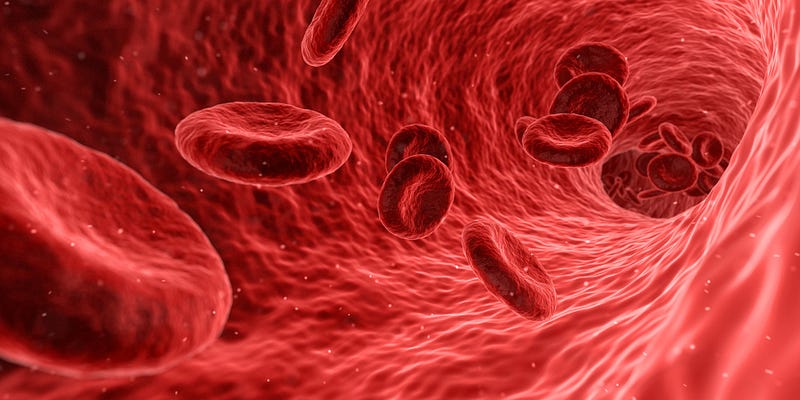
Donating blood, if you pause to think about it, is more than a little strange. With no reward other than feeling like a good person, and sometimes some juice and cookies, you allow a stranger to reach into your body and take the very blood running through your veins — enough to make you feel literally weak.
I’m a semi-regular blood donator and a student of science, so I wanted to investigate: why do people donate their blood? Is it purely because they’re good people, or is it deeper than that? What’s the psychological motive to give your own blood away?
“Donating blood poses an evolutionary conundrum: Why incur costs to provide a highly valuable resource to unrelated strangers, most of whom are nonreciprocators?” — Lyle et al, 2009
On the one hand, I wouldn’t expect there to be much blood donation at all. Humans are, generally speaking, pretty selfish. We don’t tend to help others much at all, much less when it costs us something.
But yet on the other hand, it’s a relatively cost-free way to make a difference to the world. You just need more food and water to make more blood, after all. Yet only around 5% of people donate.
So why do people donate their blood?
My hypothesis, when I began my research, was that people mostly did it so that others knew they were good people. Why? When I donated blood, I got a sticker that let other people know I was a donor. I’ve been given a blood donating t-shirt before. I’ve seen tons of people post on social media that they’ve given blood.
If giving blood were purely an altruistic thing, people would need no reward or incentive to do it — just to help others. However, when I first began investigating, there was proof everywhere that people mostly did it to show off to others.
But I was willing to be wrong.
Why I was sceptical:
Humans evolved over the course of many millions of years. We do a lot of bizarre stuff that seems irrational, but most of it can be traced back to giving us some kind of advantage, that helps us go through life a little better.

Giving blood physically weakens you, and it’s painful to boot. You can donate only once every three to four months (depending on whether you’re a man or a woman); if you don’t have enough iron in your blood, you’re forbidden from doing it at all. You’re only allowed to give certain volumes.
It’s obviously a cost, and according to evolution theory (simplifying a bit here) we don’t do costly things unless there’s an equal or greater benefit to us as individuals. The odd individual will do something heroic, amazing, selfless for unrelated individuals, but as a species we don’t really tend to go in for altruism.
And yet we donate blood. Why could that be?
The Warm Glow Hypothesis
One of the front-running contenders was something called the Warm Glow hypothesis. What that means is that you do good because it gives you a fuzzy feeling inside. A lot of blood donation advertising is aimed at this kind of psychology: “Do good, save a life,” kind of messaging.
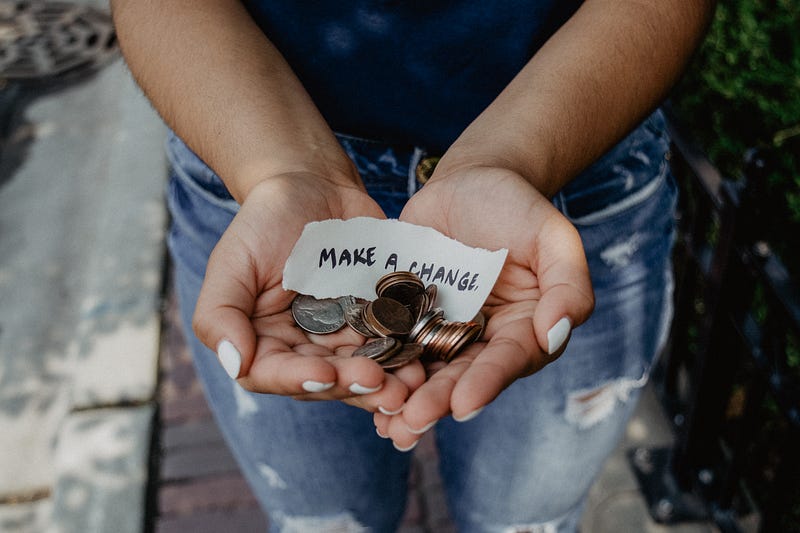
Researchers found that this kind of motivation underlies a lot of why people donate blood, and refer to it as “impure altruism.” Essentially, you don’t gain anything material, only positive emotional gains. You feel good about yourself for doing it. That’s not to say it’s a selfish thing — just that it isn’t pure altruism. You’re still gaining something.
The Signalling Hypothesis
This is related to my personal hypothesis. What it boils down to is that people donate blood not just to feel good about themselves, but so that others know they’re good people, too.

We established giving blood is “costly,” meaning it’s difficult, it takes a lot out of you, not many people do it and you are weakened for some time after.
When you donate blood — and more crucially, when you let other people know about it — you’re saying you’re a good, generous, healthy person, either so generous that you don’t mind making yourself weak to help others, or so healthy that it’s hardly a sacrifice for you. Maybe even both!
The Reluctant Altruism Hypothesis
This hypothesis is the idea that not many people are going to donate blood — so you’d better do it. It’s linked to a sense of public distrust, believing that others won’t contribute to the common welfare, so it’s up to you.
It sounds a lot like pure altruism on the surface, but it too is a cousin only. It’s reluctant because if others donated (and if were widely publicised that there was no shortage of blood), research showed they would not voluntarily choose to donate regardless.
The Hedonistic Hypothesis
This hypothesis says that people donate selfishly for the small items they gain. For example, most times I’ve donated blood, I get cookies, juice, some time off work or class.
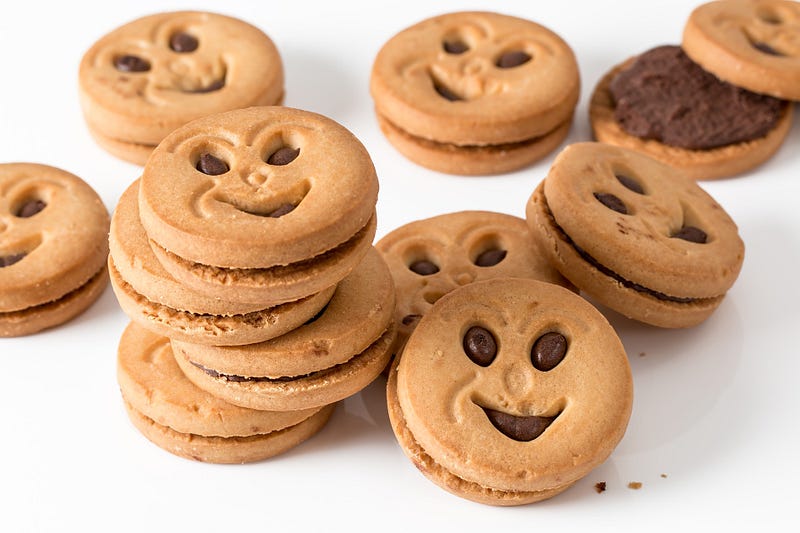
I was fascinated to find that this one was almost immediately discounted: these small rewards weren’t enough to justify the cost, and it also didn’t correlate at all with intention to donate blood.
It turns out whether for time off, food, or any other material reward, that alone wasn’t why people donated. This selfish reason could be crossed off.
Well, what’s the answer?
The research was conclusive: it’s a mix. There are a lot of factors in donating blood, and it’s hard to extricate them. One leads to another which links to a third.
“For example, sense of social and moral duty may be linked to a sense of warm glow as people may also derive warm glow from meeting society’s needs as well as their own.” — Evans & Ferguson, 2014
One thing was clear: blood donating is a fascinating study into what makes humans perform unexpected behavior, whether truly altruistic or just appearing so on the face of it.
What looks like a totally altruistic act is actually driven by a complex set of motivations and operations, one which still needs a lot of research. I was interested to discover that it is mostly for selfless reasons — things like reluctant altruism, or warm glow hypothesis, were really strong predictors for blood donation, which means that people genuinely did donate blood without needing a selfish reason.
Most studies I read were able to conclude one thing: it’s probably benevolence, rather than altruism. The distinction is small, but important. Altruism means you get absolutely nothing in return, while benevolence indicates both parties, giver and receiver, benefit.
Whether the benefit comes in the form of other people recognizing you’re a good person, or just feeling good about yourself, most research so far concludes it’s still not a selfish act, but a benevolent one.
Blood donation is one of the most amazing examples of unexpected human behavior there is. Time after time, humans tend to act for others only if they receive evolutionary benefit in return — and yet this outlier exists.


