Why Do Messenger Apps Integrate Payment Features?

In recent years, messenger apps have evolved to exert significant influence in our lives, extending beyond mere exchange of texts and images.
These apps have stepped beyond their roles as communication tools to integrate various services such as shopping, food ordering, and taxi calling, all under one platform.
Especially, Asian-centric messenger apps like LINE and WeChat are leading the world with the speed and diversity of their evolution.
They have introduced payment features that enrich their ecosystems, allowing users to purchase various services and goods without leaving the app.
While these advancements are making our lives more convenient and enriched, they also raise questions as to why these apps have adopted payment features and what business models underpin them.
This article explores the reasons and advantages behind the integration of payment functions in messenger apps and their impact on businesses.
1. Enhancing User Engagement
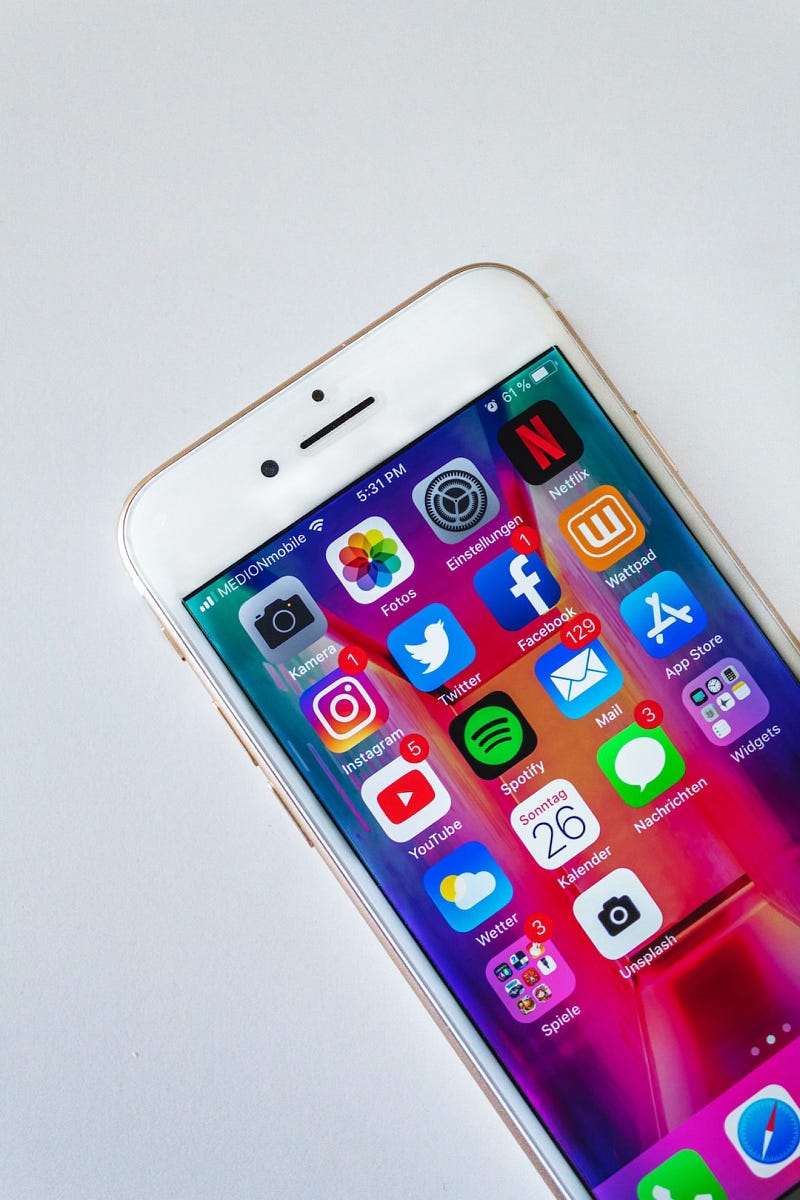
Integrating payment functions not only allows users to directly purchase a variety of services and products within the app but also increases the usage time and frequency of the app.
This implies users using the app more often and staying longer, substantially improving user engagement and allowing companies to gather more information on user behavior and preferences.
With the collected data, companies can deliver more pinpointed and effective advertisements based on user needs and interests.
This maximizes ad efficacy and users can see advertisements that match their interests. For users, this means receiving more relevant content, and for companies, it implies improved ad efficacy and profitability.
Additionally, experiencing in-app purchases improves user trust and satisfaction with the app, making users more proactive in using new features and services.
Thus, the introduction of payment functions brings numerous benefits including improved user engagement, maximized ad efficacy, and increased trust and satisfaction in the app.
Combined, these elements make messenger apps indispensable in users’ lives and play a crucial role in supporting the growth of companies.
2. Establishing New Revenue Streams
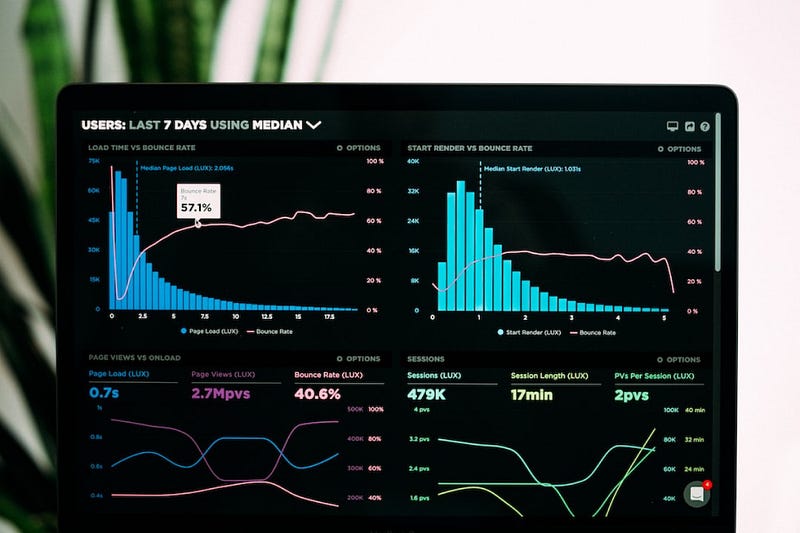
By integrating payment functions, companies can earn fees per transaction, establishing a new source of revenue.
Apps like WeChat can earn fees from in-game transactions, generating steady revenues from handling a large volume of transactions.
This revenue model enhances the sustainability of the app and provides a foundation for further innovations and service improvements.
Also, collecting and analyzing user data from payment functions is valuable for companies.
By analyzing purchase history and usage patterns, companies can understand user needs and preferences more deeply, improving targeted ad accuracy and allowing effective ad delivery for advertisers.
Business models solely dependent on ad revenue, like Twitter’s, are highly susceptible to economic fluctuations and user trends.
However, by adopting payment functions, these vulnerabilities can be mitigated, and ad accuracy is also improved.
Hence, many companies are actively adopting payment functions, establishing new revenue streams and enhancing business sustainability.
3. Building an Ecosystem

The integration of payment functions allows messenger apps to easily collaborate with other services and apps, offering a diverse range of services on a single platform.
This enables users to utilize services like restaurant reservations and taxi bookings directly within the app, satisfying multiple needs with one app, and reducing the hassle of installing and managing multiple apps and accounts, enhancing user experience.
It also allows seamless integration between services, creating new conveniences like being able to book a restaurant and a taxi at the same time.
Constructing an ecosystem on a single platform significantly improves convenience for users and also creates new business opportunities and partnerships for companies, expanding the value provided by messenger apps and enhancing their competitive edge.
Conclusion
The reasons for messenger apps to integrate payment features lie in improving user engagement, establishing new revenue streams, building ecosystems, and collecting user information.
These elements support the sustainability and growth of the app, providing value to both users and companies. It is crucial to continue focusing on the evolution of messenger apps and their impacts.
In terms of convenience for users and technological advancement, do you think ecosystem-based apps are superior to standalone ones?
Which one would you choose and why?
Lastly, aiming for ten thousand followers, if you enjoyed the article, your follow, comment, and clap would be highly encouraging.
Deep thanks for your support.