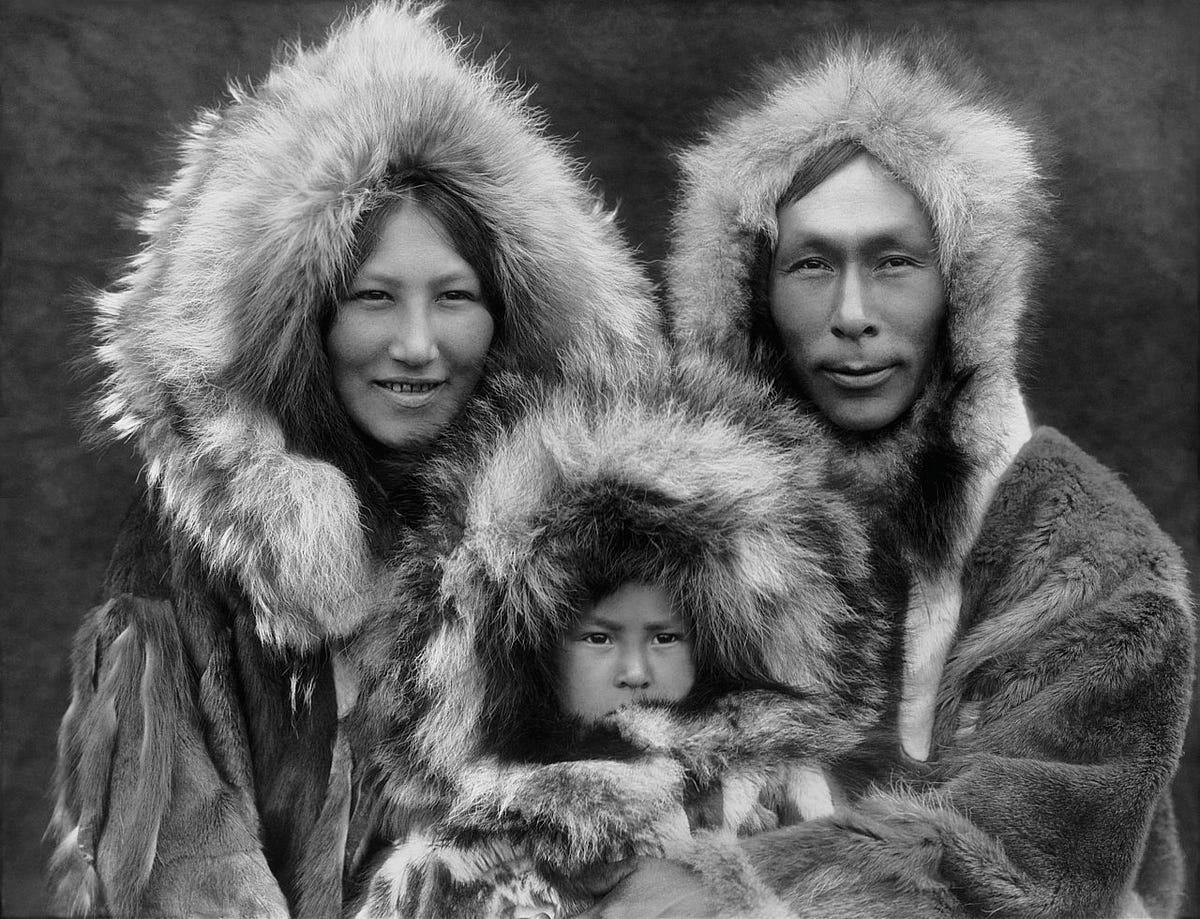
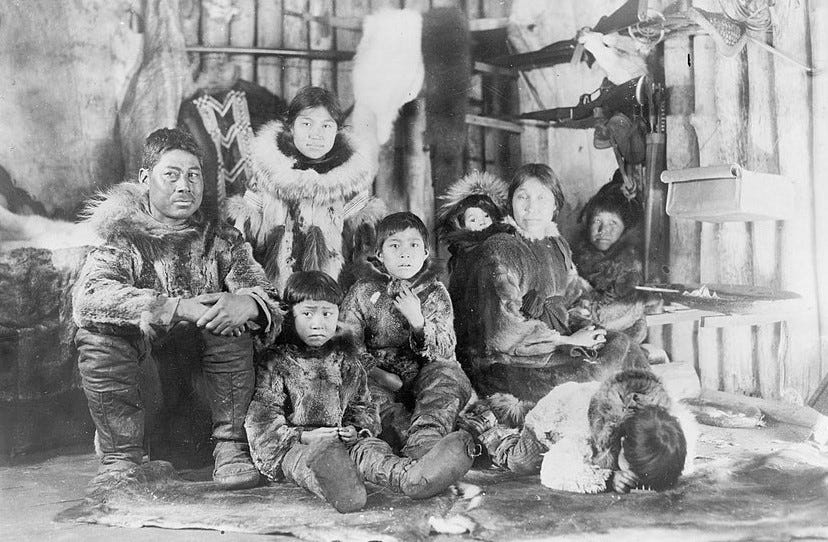
Why Do Inuit Husbands Exchange Their Wives?
Is Eskimo wife lending an interesting part of the culture or an eerie tradition?
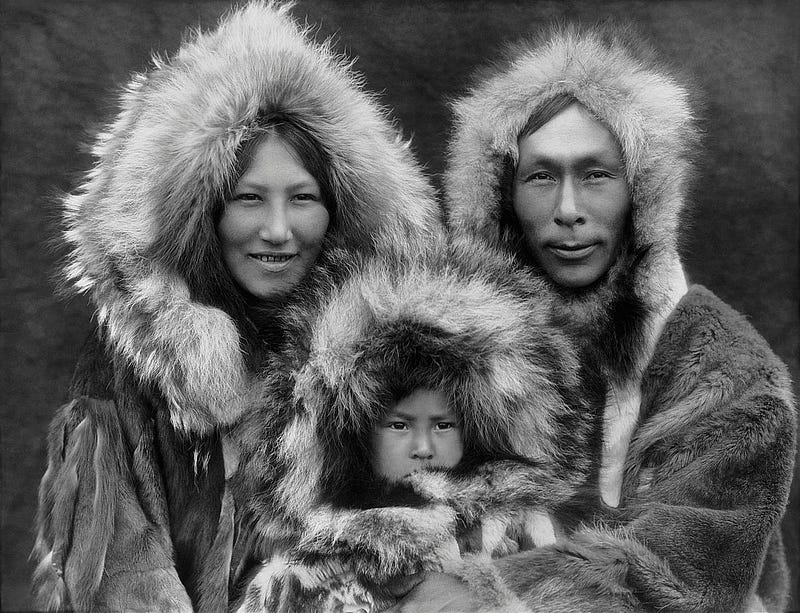
In the heart of the Arctic, amid ice and snow, lies a world where communal bonds and intricate traditions flourish. Inuit societies, renowned for their unique social structures and rich cultural heritage, have captivated the curiosity of anthropologists and researchers for generations.
Among the various customs that set them apart, the practice of wife exchange stands out as an enigmatic facet that has sparked both fascination and questions. This practice, seemingly unconventional to outsiders, is deeply rooted in the historical and cultural tapestry of Inuit communities…
The Cultural Significance of Wife Exchange
At the core of this practice lies a distinctive view of marriage as not just a union of two individuals, but a weaving of relationships that extends across families, clans, and the entire community.
For the Inuit (Eskimos), marriage is a thread that stitches together a communal fabric. Wife exchange is more than a romantic endeavor; it’s a binding force that fortifies the social structure, fostering cooperation, and enhancing a sense of belonging.
Inuit communities embrace the ethos of cooperation and interdependence, valuing the strengths and skills each member brings. Wife exchange exemplifies this communal spirit, demonstrating that marriages aren’t isolated events but rather pivotal points of connection in a vast social network.
Inuit societies thrive in a challenging environment, demanding resourcefulness and shared effort for survival. Wife exchange isn’t just about affection — it’s a mechanism for redistributing resources and skills in a way that maintains equilibrium within the community.
Picture a scenario where one family excels in hunting while another possesses expertise in crafting. By exchanging wives, these families optimize their strengths, creating a balanced collective that can weather the harshest of conditions. This practice underlines the Inuit principle of fairness and resource-sharing, emphasizing the need for everyone to contribute their strengths for the greater good.
Inuit societies recognize that diversity in skills is essential for survival. By exchanging wives, they ensure that no family is left vulnerable due to a lack of specific abilities. This practice reflects their astute awareness that a community’s strength is derived from its diverse skill sets and cooperative ethos.
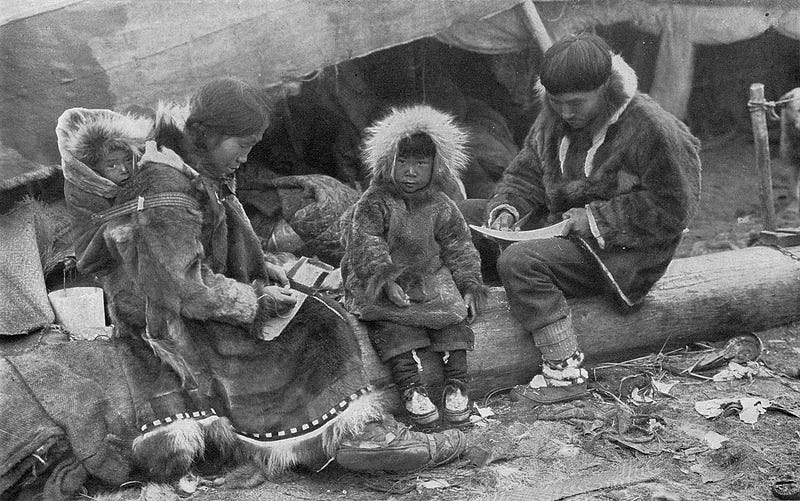
Wife exchange is more than a practical arrangement; it’s a symbol of unity, interdependence, and shared aspirations. The act of exchanging wives is a profound expression of trust and camaraderie among families, illustrating a willingness to stand by one another in both good times and bad.
Imagine a scenario where a family faces hardships due to illness or unforeseen challenges. In such cases, the bonds established through wife exchange come to the forefront, as neighboring families rally to provide support and assistance. This practice fosters an environment where no family stands alone, reinforcing the idea that challenges are best confronted together.
Social Dynamics and Relationship Building
Contrary to assumptions of coercion, wife exchange is a practice where all parties involved, including the women, actively participate based on their own volition. This foundation of consent lays the groundwork for a dynamic that values individual agency within the broader context of community interconnectedness.
Wife exchange, rather than being a mechanism purely focused on marital arrangements, unfolds into a tapestry of relationships that extend far beyond the initial exchange. Imagine forging friendships through shared experiences — this is the essence of wife exchange.
The process of exchanging wives often creates bonds that last a lifetime, forming connections that go beyond the boundaries of immediate families. These connections, built on mutual understanding and shared experiences, contribute to the creation of a tightly-knit social fabric within Inuit communities.
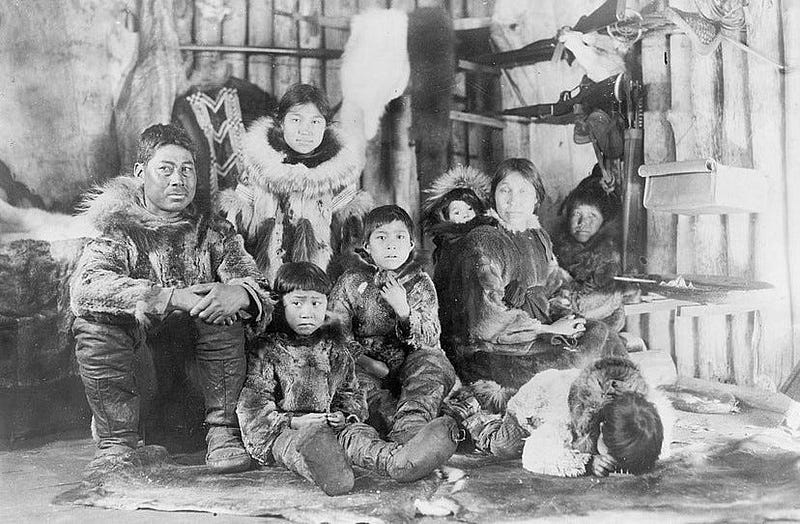
Beyond fostering friendships, wife exchange has the power to forge alliances among families and clans. The act of exchanging wives is a ceremonial affirmation of cooperation and support, akin to the building of bridges between families. These alliances, rooted in trust and mutual benefit, often lead to a network of support that extends well into the future. As challenges arise, these alliances become vital support systems, reflecting the communal spirit that defines Inuit societies.
At the heart of wife exchange lies the formation of complex kinship networks that transcend biological boundaries. The children born from these unions are embraced not only by their biological parents but by an extended web of family connections. This intricate kinship network bolsters cooperation and mutual support, creating a sense of collective responsibility for the well-being of every member. The communal upbringing of children within this network fosters unity and shared values, contributing to the overall strength of the community.
Historical Context and Adaptation
For centuries, Inuit communities have navigated the demanding Arctic environment, where survival depends on cooperation and adaptability.
The nomadic lifestyle necessitated flexible social systems, and wife exchange emerged as a means of pooling resources, sharing knowledge, and optimizing survival strategies. In this context, wife exchange was a practical response to the challenges of Arctic living, enabling families to tap into each other’s strengths and skills for the collective benefit.
As the tides of time brought socio-cultural changes, including interactions with Western cultures, wife exchange underwent a process of evolution and adaptation. While retaining its historical roots, the practice has also responded to changing dynamics within Inuit communities. The very flexibility that allowed Inuit societies to thrive in their environment also enabled them to adapt their traditions to new circumstances.
Challenges and Contemporary Perspectives
As with any practice that straddles the line between tradition and modernity, wife exchange is not without its challenges and complexities.
From an outsider’s perspective, questions arise about gender dynamics, individual agency, and the impact on personal autonomy. Such concerns highlight the importance of approaching this practice with cultural sensitivity and a nuanced understanding.
Within Inuit communities, contemporary discussions reflect the ongoing examination of wife exchange in the context of evolving societal norms and individual rights. While the tradition holds deep historical and cultural significance, it’s essential to recognize that Inuit societies are not static. Many communities are embracing a more individualistic approach to marriage, allowing couples to choose their partners based on personal preferences and mutual consent.
The practice of wife exchange, despite its historical importance, is one thread in the intricate tapestry of Inuit culture. Its value and role in contemporary society vary from community to community. It’s a reminder that culture is a living entity, shaped by the interplay of tradition and adaptation, and it invites us to engage in respectful dialogue about the complex interplay of customs, values, and the changing world.
Sources
https://www.straightdope.com/21343201/do-eskimo-men-lend-their-wives-to-strangers https://www.uaf.edu/apua/files/Rubel1961.pdf https://www.ranker.com/list/love-and-relationships-for-eskimos/melissa-sartore https://communitashospitality.com/wife-swapping-alaskan-eskimos-facts-and-myths/