
Why Do I Always Feel So Lonely?
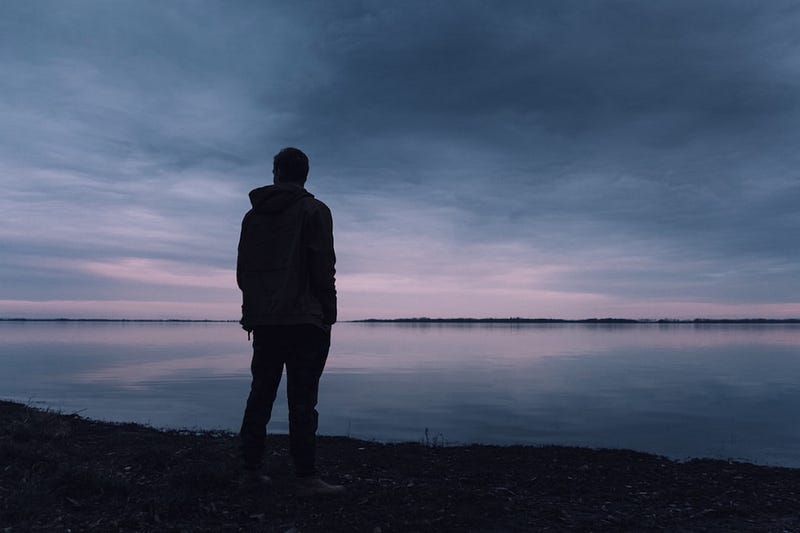
Tonight, for the first night in so long, I am struggling so much. My struggles, which has been intensified by living with Complex Post-Traumatic Stress Disorder (CPTSD), have been brought on by intense feelings of loneliness. Loneliness can be a haunting and suffocating feeling, particularly when you find yourself in need of help or support, yet unable to turn to your immediate family due to distance or past trauma. In my journey, I’ve encountered numerous challenges in building new friendships after enduring abuse, leaving me feeling isolated and yearning for genuine connections. Loneliness, intertwined with my CPTSD, has shaped my social skills, leaving me feeling like an outsider in every social situation. In this piece, I hope to shed light on the immense struggle of loneliness and offer insight into navigating the complexities of building a support system.
- The Impact of Trauma on Social Skills:
Abuse leaves lasting scars, and for me, it disrupted my school attendance and social development, creating a void in my experiences and knowledge. My school attendance plummeted to a mere 29%, making me the student with the lowest attendance in the entire year group. I found myself struggling to handle situations that others may take for granted because I never had the chance to learn or experience them. Riding a bike, for example, became a symbol of my limitations. One memory that continues to haunt me is the time I had to walk a bike back to one of my parent’s houses while being laughed at for not knowing how to ride it. Even to this day, the mere thought of not being able to ride a bike fills me with profound sadness and frustration. Feeling different from everyone else deepens my sense of isolation and intensifies my struggle to reach out to others.
- Navigating Trust Issues:
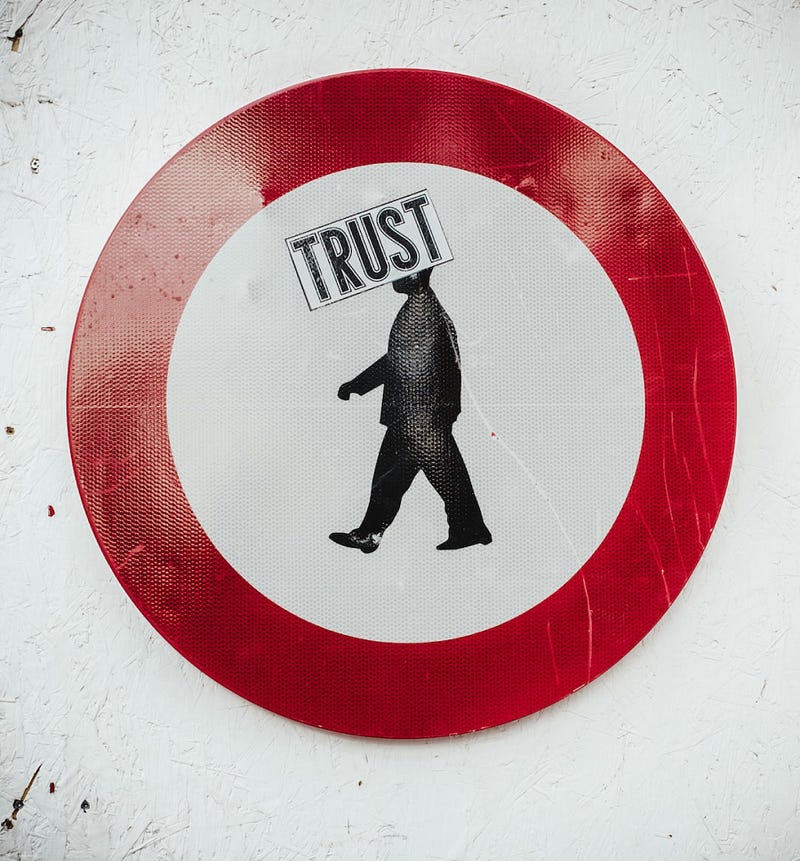
Trauma-induced trust issues, particularly with men, add further complexity to my loneliness. Taking the first step in reaching out to someone feels like an insurmountable task, and if my efforts are not reciprocated, I tend to blame myself. This self-blame leads me to invest my time in unhealthy relationships, pushing away those who genuinely care about me. The cycle of vulnerability and isolation becomes a pattern that reinforces my belief that I am unworthy of meaningful connections.
- The Struggle of Self-Awareness:
Awareness of my loneliness only amplifies the pain. The moments when I share my trauma, and the room falls silent because no one can relate, leave me feeling like I’ve ruined everything once again. I struggle to find my place in social settings, making me feel like a burden or an outcast. The realization that my social circle is limited becomes particularly daunting during times of crisis when I have no one close to turn to for help.
- Rebuilding a Support System:
I understand that recovery from CPTSD requires a strong support system, but building one feels like an insurmountable task. Despite my efforts to reach out, feelings of rejection persist, leaving me feeling lost and unsure of how to form genuine connections. When I find myself in trouble, reaching out to my immediate family for help or support is not an option. They are either hours away from me or, unfortunately, sometimes the very reason I’m facing difficulties in the first place. Building new friendships after experiencing abuse is an immensely challenging task, and I’ve struggled to maintain any friendships since my abusive experiences ended. However, I hold onto hope that one day, I’ll meet someone who genuinely wants to be my friend – not just platonically – someone who shows interest in my passions, enjoys spending time with me, and reciprocates the effort I’m eagerly waiting to invest in a new friendship. I long for a sense of belonging and community but feel trapped in a cycle of loneliness and self-doubt.
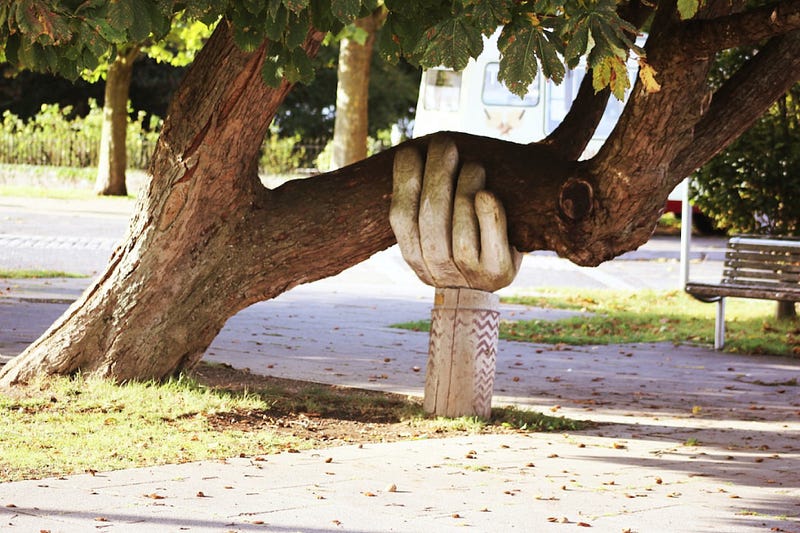
Living with CPTSD and navigating the depths of loneliness has been an arduous journey, leaving me grappling with my past and yearning for meaningful connections. Yet, I continue to hold onto hope that one day, I will find true friendship and a supportive network to accompany me on my healing journey. In sharing my story, I hope to shed light on the challenges of loneliness and trauma, fostering understanding and empathy among those who may relate. If you’ve experienced similar struggles or wish to learn more about my journey, please consider joining my mailing list to stay updated on my articles and reflections. Thank you for taking the time to read and engage with my experiences.