Why Dieting Didn’t Work for Me and What I Do Instead
How I found balance with a healthy, sustainable approach to food and exercise
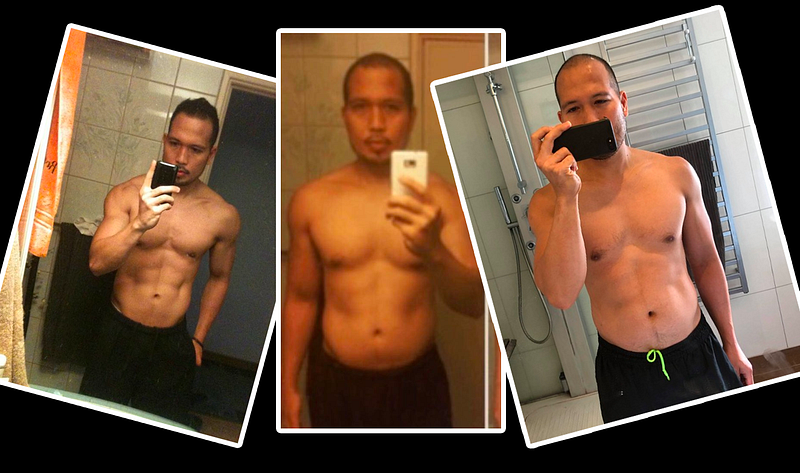
Like most people, there was a time when I wanted to lose weight, so I did the two things we are told to do: exercise and diet.
Exercising was the easy part. The diet part was a lot trickier. I knew I had to fix my eating habits if I wanted to reach my goal, but I didn’t know what diet to follow.
Eventually, with the help of a trusted personal trainer, I settled on a low-carb, high-fat, high-protein diet.
From January to April 2013, I didn’t eat rice, bread, cakes, pastries, or pasta. Instead, I ate steamed broccoli or cauliflower, Greek yogurt, tons of eggs and bacon for breakfast, lots of grilled chicken breast, fried beef. Sweet potatoes and some fruits and vegetables being my only source of carbs.
And the results were, drum roll, amazing!
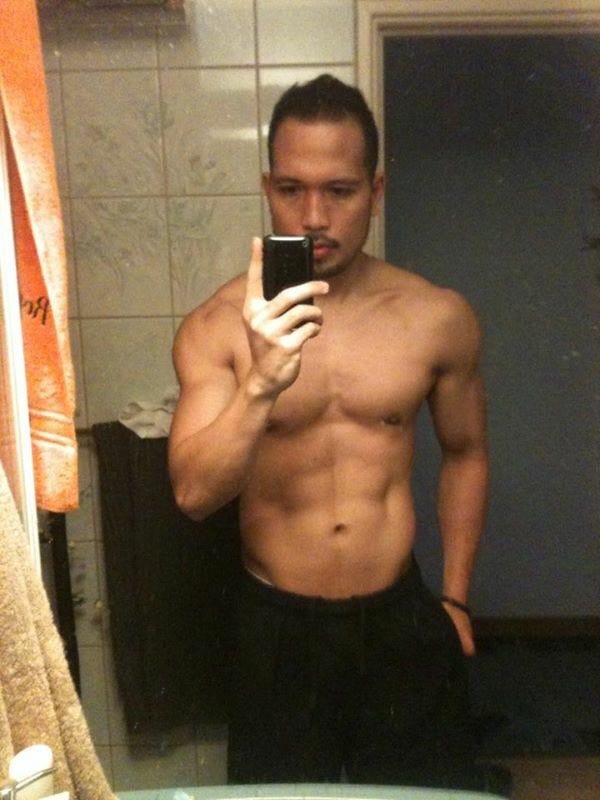
I was 31 at the time and the leanest I’d ever been, even leaner when I was in my teens or early twenties. My waistline shrank to a shade below 31 inches, an all-time low since I entered adulthood.
This low-carb diet thing seemed to be working OK, right? Except this was how I looked 11 months later…
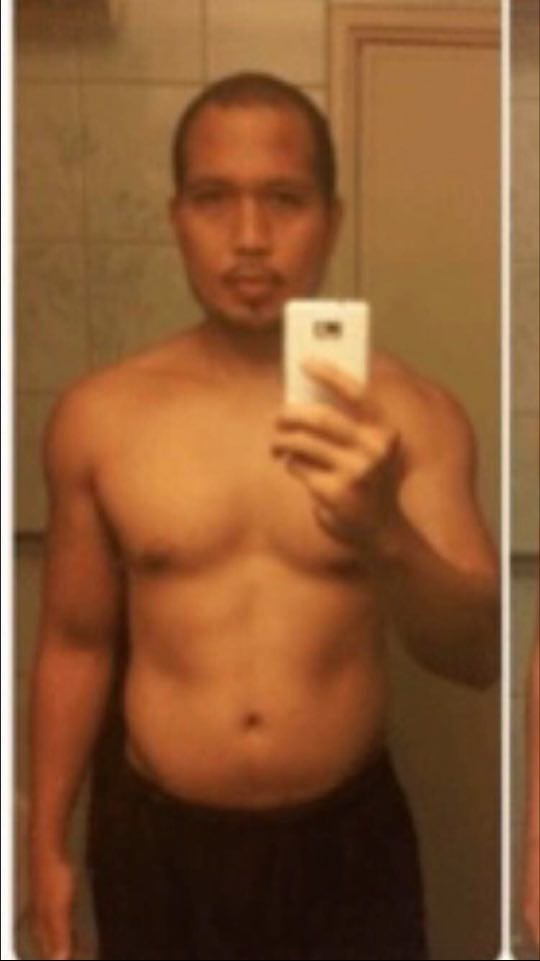
Welp! Talk about rebound weight gain! I’d only read about that before, and never did I think that it would happen to me too.
So many people fall into the trap of losing weight only to fall back to old habits and gain all the weight back (and more sometimes). I’d like to share how I lost weight without going back to dieting.
What Went Wrong?
Those abs look great, but they don’t show how much I was struggling internally to stick to my diet.
As human beings, we have a natural desire for pleasure. My brain associates cakes, cookies, and pastries with happiness and pleasure, so you can imagine the battle that was going on as I tried to justify avoiding them.
It didn’t help that I was around temptation most of the time since all my housemates ate rice. My mind told me the food I loved would taste better with rice instead of the bland, steamed veggies I was eating. How could I possibly eat chicken adobo without rice??? Toasted bread, which goes well with eggs and bacon, was scratched from breakfast.
My meals were limited to grilled protein or steamed veggies/ fresh salad. I enjoyed around 50% of what I ate, but half of the time I wished I had something else.
I would cheat on my diet every now and then by eating a peanut butter sandwich or having a cup or two of rice for lunch. I swear those cheat meals were the most rewarding experience I’ve ever had, and it seemed as though the food tasted much better than it normally did (although I’m sure it was just regular rice and bread, so maybe it was my brain playing tricks on me to get me to eat more).
Eventually, my willpower dried up. I broke the madness after three months and went back to my usual eating habits. Finally, I could eat all the carbs I wanted! Five months later, I also stopped working out, so the pounds started piling up.
When I noticed I was gaining weight, I sort of panicked and tried to get back to a low-carb diet. That should solve the problem, right? After all, I’d lost a ton of fat before when I did that.
I was wrong. This time the scale did not move a bit! And every minute on a low-carb diet was torture!
With the memory of the discomfort I’d gone through, my body did its absolute best to prevent the same thing from happening.
You see, our body treats dieting as going into starvation mode, so it releases a hormone called cortisol which slows our metabolism to prevent us from losing too much weight. That’s great if you’re trying to survive, but NOT if you’re trying to lose weight.
On a diet, our body increases ghrelin (hunger hormone) levels, so we seek out food and eat. Leptin hormones (which tell the brain that we are full) levels decrease so we continue to eat because there’s nothing to signal that we’re full.
The body rewards you for eating more food and penalizes you for restricting your calorie intake. In short, our bodies work against us when we go on a restrictive diet because it’s trying to keep us alive.
I learned the hard way that once you get off a diet, your body will work hard to regain all the fat you lost to keep you in a comfortable “survival” range (that means having plenty of reserve fat you can count on in case food becomes scarce, just like the second picture).
So what now?
What Worked for Me Instead
I knew I had to reduce my calorie intake. And if I wanted to keep the weight off, the new plan had to be sustainable.
The first thing I did (which was also the easiest to do at the time) — I settled on eating whole foods instead, because, aside from being nutritious and filling, they are also lower in calories. I limited the processed food that I ate and saved eating my favorite junk food for the weekends. I consciously reduced the amount of processed food I buy from the grocery.
For breakfast, I’d have eggs and fruits to satisfy my craving for something sweet. For lunch and dinner, I’d eat a typical Asian meal: rice, sauteed chicken, beef, or pork with vegetables, oven-baked salmon, grilled pork chops sometimes, stir fry noodles, and the occasional pasta with ground beef.
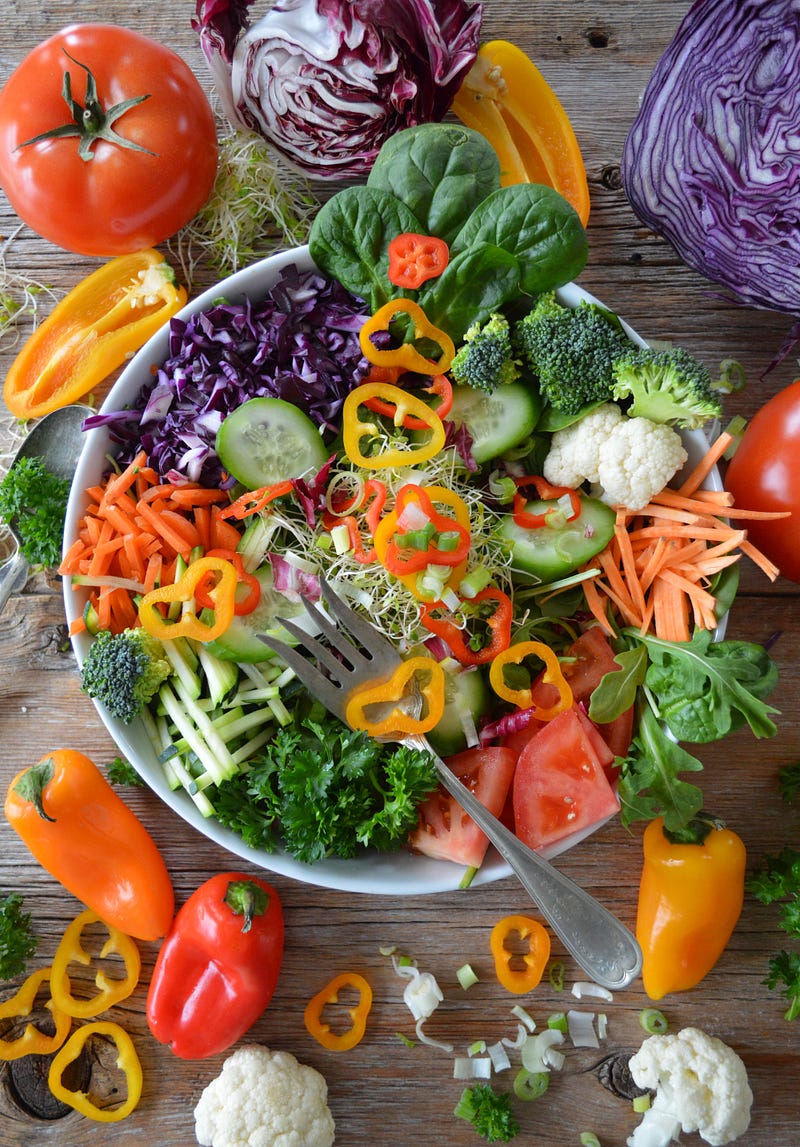
I like tasty and savory food, so I use plenty of seasoning in my food. I realized delicious whole food is easier to stick to compared to bland chicken breast and broccoli.
I eat fruits for snacks, but if I’m still hungry then I eat some toast with strawberry jam or a cinnamon roll. I don’t go crazy on them — just enough to satisfy the craving. It’s easier to satisfy that craving with a smaller portion size when you’re already half full, after eating healthy food first.
Sometimes I try to find a healthier alternative to sweets, like Greek yogurt drizzled with honey and fresh fruits, but frankly, it doesn’t taste like ice cream. So some days I will have vanilla ice cream (again, not going crazy on it) topped with berries or banana and dark chocolate syrup.
I aimed for eating whole foods 85% of the time. I’d treat myself to pizza, muffins, or fries during the weekends only. It is easier to sacrifice during the weekdays if I see myself making progress towards the finish line.
There were days when I realized I could go a whole day without eating processed food and I didn’t crave junk food as much as I used to. I felt good, I looked much better, and I found confidence with my new eating plan. I also started exercising again regularly: six days a week. These small successes added up to create more motivation to keep going and to not turn “treat day” into quit day.
I got back to a 32–33-inch waistline (I don’t weigh myself) and I am comfortable at that size.
I was able to maintain that for two years, and then…
The Benefits of Tweaking Your Diet
After a few years, my body got used to my eating plan and I was not losing weight anymore, so I figured it was time to switch things up a bit.
I realized I wasn’t feeling very hungry during the early parts of the day and felt that I could do intermittent fasting as well. I didn’t skip breakfast, I just moved it to 11 or 12 noon. I just drink water or black coffee until it’s time to eat. I also started working out while in a fasted state to allow my body easier access to stored fat and use it to fuel my workouts.
It was an easy transition for me because 1.) I didn’t feel hungry and 2.) I like black coffee. I could fast for more than 16 hours as long as I had an unlimited supply of coffee.
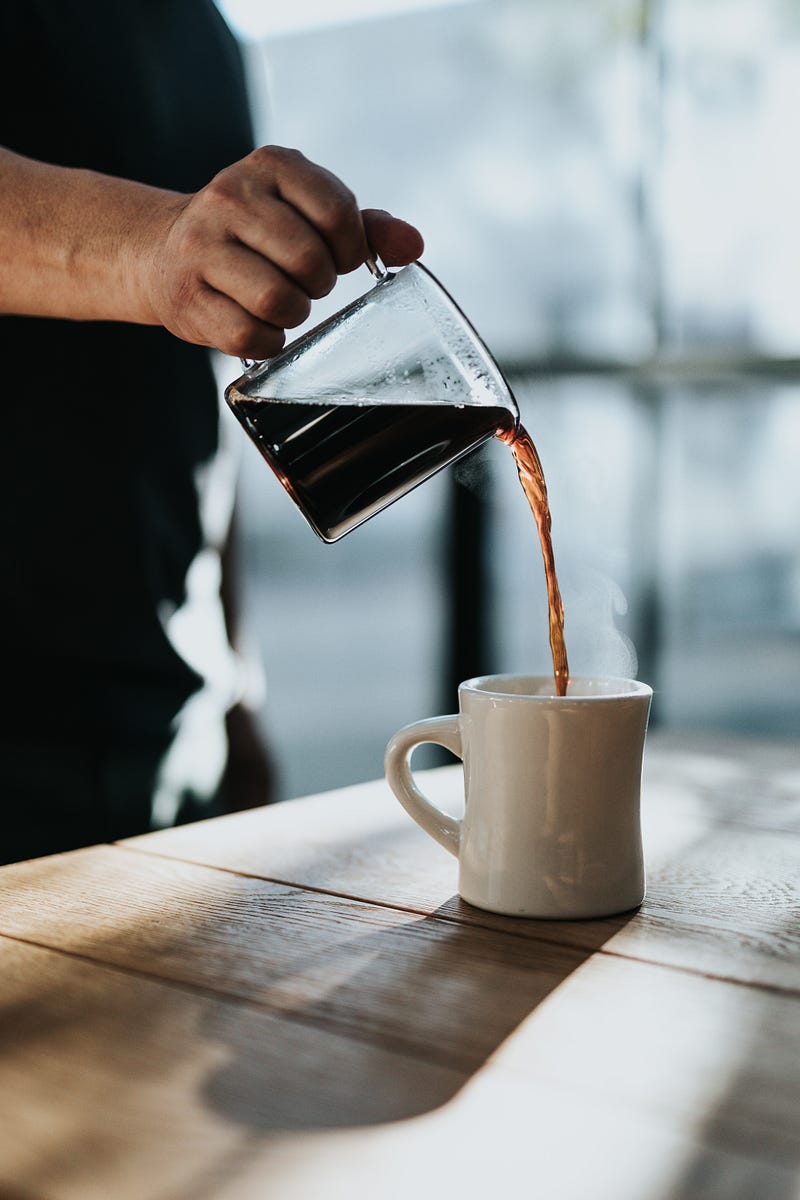
I’m not too strict with intermittent fasting, either. I do 14–16-hour fasts every day with a feeding period of 8–10 hours. By grouping my meals closer to each other, I got better control of my food portions (you won’t be so hungry when your next meal comes) and sort of eliminated those late nights snacking on fries and nuggets.
In February 2019, I started drinking green smoothies. I drink half of it for breakfast, then the rest throughout the day. Whenever I have a craving for sweets, I drink a green smoothie and my craving disappears. What an awesome fitness hack!
Since January 2020, we also cut rice from our diet (by far the hardest change I made) and replaced it with more vegetables instead. Rice is easy to eat in large amounts and because of that, it’s easier to consume more calories than you really need. I found an awesome alternative with cauli rice, so I won’t be eating rice anytime soon.
These three adjustments allowed me to reduce my calorie intake some more, lose more fat, and brought my waistline to around 31.5 inches.
To Summarize
Here are the things I did to reduce my daily calorie intake during the past six years:
- Conscious effort to eat whole food
- Make my food tastier and easier to stick to
- Played with my eating plan over time to find out what works (started with small changes like eating whole foods, then progressing to intermittent fasting, then cutting out rice)
- Looked for alternative food that’s healthier but equally as satisfying (ex. green smoothie and cauliflower rice)
- I satisfy my craving but don’t go crazy on them (ex: eating vanilla ice cream instead of rocky road, eating junk food during the weekends only)
- Adopt the new eating plan as the new normal instead of something temporary
- No calorie counting and no weighing my food (those could easily turn into a second job)
If you would like to lose weight and keep it off, the most effective eating plan is one that you can stick to 365 days a year.
Obviously, my needs are different from yours. You could be vegan, you might need to eat breakfast before work, you might not like coffee the way I do.
I’ve seen people who had great results on keto, low-carb, or vegan diets and they’ve been doing it for years! If it works for you, keep doing it. But if it doesn’t, or you are no longer seeing the results you want, recognize that there are alternatives. Explore them!
One of the most important things I realized all these years is this: if you eat healthy around 85% of the time, you’ll be in good shape, both literally and figuratively. So if you really want to eat that cookie, go ahead and don’t beat yourself up over it.
Experiment and find out what works for you.
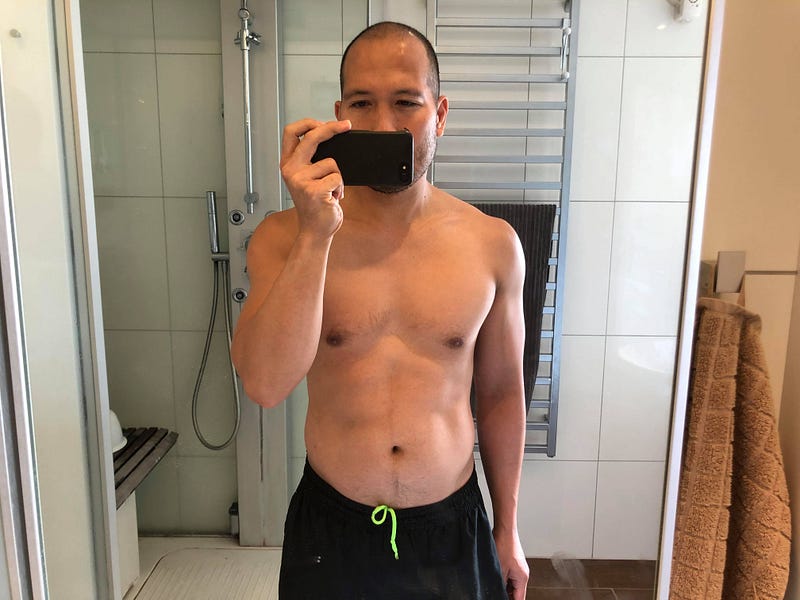
P.S., The before and after picture has a good ending. While I’m still not at the level I was in the first picture, I feel healthy, strong, and most of all, happy with where I’m at.