avatarØivind H. Solheim

Free AI web copilot to create summaries, insights and extended knowledge, download it at here

2404

Abstract

mp;utm_medium=referral&utm_content=creditCopyText">Bogomil Mihaylov</a> on <a href="https://unsplash.com/search/photos/like-a-crack-in-a-wall?utm_source=unsplash&amp;utm_medium=referral&amp;utm_content=creditCopyText">Unsplash</a></figcaption></figure><p id="d60d" type="7">Reading many books is a purposeful thing to do.</p><p id="69f7" type="7">I want to do purposeful things.</p><p id="cf57">Some other things have also changed now. I don’t any longer watch tv on a regular basis. Only when I feel it’s right, being social, watching a movie or a series together with my dearest ones.</p><p id="14eb">I don’t drink beer on a regular basis any longer. Drinking much beer is not good for me. When I drink I get unconcentrated and less productive. I can’t write as much as I want to. And drinking beer reduces writing creativity.</p><p id="3b0a">My creativity is best in the morning. It is rather easy. Ideas come, and I just open my computer and start writing. (I know I am lucky!) Writing gives meaning to me.</p><p id="881f">I exercise. That’s a must. Exercise gets the blood pump going, and I feel lifted. They say it’s endorphins, whatever that might be! Anyways, it’s enjoyable.</p><p id="b311">I practice yoga. Yoga flow. In a large room, together with the teacher and mostly women. Sometimes one or a few other men. Yoga is great for my back and to combat the stiffness of an old body.</p><p id="b00a">For many years I have enjoyed hiking. Where I live there are many mountains. I love climbing them. Not so much for what I get to see when I reach the top, but because of the exercise.</p><figure id="6d7f"><img src="https://cdn-images-1.readmedium.com/v2/resize:fit:800/1*KdPxiIEY8fqrFVpa_OXKag.jpeg"><figcaption>Photo: Øivind H. Solheim</figcaption></figure><p id="e1e4">Walking slowly uphill I can let my thoughts wander as well. I can feel my heartbeat, I can feel my body doing some hard efforts. And I can know it is good for me, body and soul!</p><p id="f7d7">Hiking is good for thinking! Sometimes I think of Albert Camus, who wrote the essay <b><i>The Myth of Sisyphus.</i></b></p><blockquote id="4417"><p><b><i>The Myth of Sisyphus</i></b> (<a href="https://en.wikipedia.org/wiki/French_language">French</a>: <i>Le Mythe de Sisyphe</i>) is a 1942 philosophical essay by <a href="https://en.wikipedia.org/wiki/Albert_Camus">Albert Camus</a>. The English translation by Justin O’Brien w

Options

as first published in 1955.</p></blockquote><blockquote id="f0dd"><p>In the essay Camus introduces his philosophy of the <a href="https://en.wikipedia.org/wiki/Absurdism">absurd</a>, man’s futile search for meaning, unity, and clarity in the face of an unintelligible world devoid of God and eternal truths or values. Does the realization of the absurd require suicide? Camus answers, “No. It requires revolt.” He then outlines several approaches to the absurd life. The final chapter compares the absurdity of man’s life with the situation of <a href="https://en.wikipedia.org/wiki/Sisyphus">Sisyphus</a>, a figure of <a href="https://en.wikipedia.org/wiki/Greek_mythology">Greek mythology</a> who was condemned to repeat forever the same meaningless task of pushing a boulder up a mountain, only to see it roll down again. The essay concludes, “The struggle itself … is enough to fill a man’s heart. One must imagine Sisyphus happy”.(from Wikipedia)</p></blockquote><figure id="3424"><img src="https://cdn-images-1.readmedium.com/v2/resize:fit:800/1*oue53sY16iW_lbQ0aSe0WA.png"><figcaption>Photo: Unknown</figcaption></figure><p id="4421">I feel a little like said Albert Camus in his essay:</p><p id="a638">“The struggle itself … is enough to fill a man’s heart. One must imagine Sisyphus happy”.</p><p id="fa0c">I am currently working on these issues: — How to find my own meaning in life? — What can I myself do to live a good life? — What <i>is </i>a good life?</p><blockquote id="270f"><p>Would you like to read more of my poems and stories?</p></blockquote><blockquote id="a974"><p>Read more? You are welcome to<a href="https://kompetansevest-insight.simplero.com/page/105148"> <b>subscribe to my email list</b>. </a>It’s free!</p></blockquote><div id="5498" class="link-block"> <a href="https://theascent.pub/oceans-of-time-ahead-c996e539b8ac"> <div> <div> <h2>Oceans of time</h2> <div><h3>Did something special happen in my life when I reached the retirement age in Norway, 67? I mean — did something…</h3></div> <div><p>theascent.pub</p></div> </div> <div> <div style="background-image: url(https://miro.readmedium.com/v2/resize:fit:320/1*gmDsW3luLwM4rOS8eYrNLw.jpeg)"></div> </div> </div> </a> </div></article></body>

Why didn’t I change earlier?

#19 The time I have — I want to use it

Photo: Øivind H. Solheim

Life has many days. Many of them have been used up. Why do I think such thoughts now? Didn’t I think such thoughts 30 or 40 years ago?

Why didn’t I change earlier?

I passed 40, I was in love.

I passed 50, I was busy and happy.

I passed 60, I was weary but still optimistic.

I passed 70. Then I stopped. I chose. I started to change.

Yes, I started to change. But why did it happen only after I passed 70?

I could have changed 30 or 40 years ago, like many of the people I know here on the web. Some of them tell us they have changed when they were 30 or 40 — or even 50.

What is the change?

It is, first of all, a different way to perceive myself and the world.

I don’t want to waste time and energy any longer.

I’ve started reading books again. This year I’ll read 52 books. At least!

This week’s book was Crime and Punishment, a classic novel published in 1866 by Fyodor Dostoyevsky. Later I will write about what I read there. When including this book in my reading challenge, I cheated because I started reading the 656 pages of Crime and Punishment three or four weeks ago.

Just had to.

I started with reading 2 to 4 pages a day, but I soon realized I had to read faster, more. So I did. When I was reading the last third I really enjoyed it. I had become acquainted with the person gallery, and the thoughts of the narrator and the main characters.

Older chests reveal themselves Like a crack in a wall Starting small, and grow in time And we always seem to need the help Of someone else To mend that shelf Too many books Read me your favorite line

(Damien Rice)
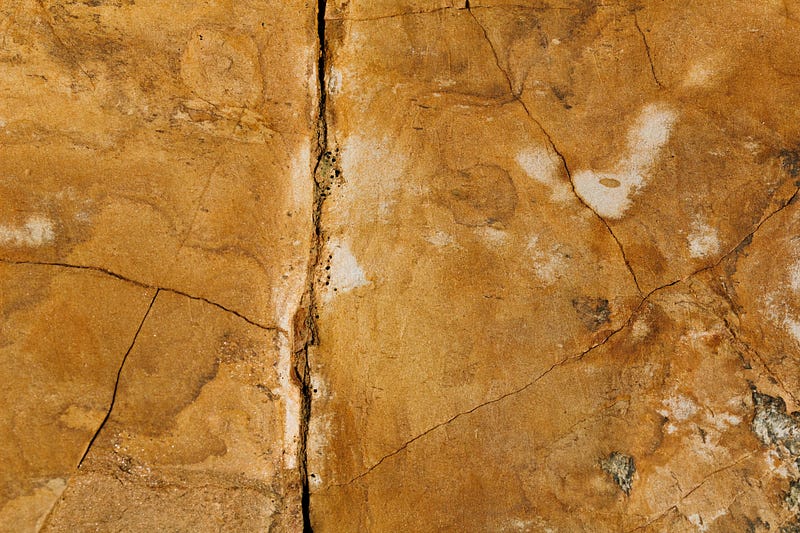
Photo by Bogomil Mihaylov on Unsplash

Reading many books is a purposeful thing to do.

I want to do purposeful things.

Some other things have also changed now. I don’t any longer watch tv on a regular basis. Only when I feel it’s right, being social, watching a movie or a series together with my dearest ones.

I don’t drink beer on a regular basis any longer. Drinking much beer is not good for me. When I drink I get unconcentrated and less productive. I can’t write as much as I want to. And drinking beer reduces writing creativity.

My creativity is best in the morning. It is rather easy. Ideas come, and I just open my computer and start writing. (I know I am lucky!) Writing gives meaning to me.

I exercise. That’s a must. Exercise gets the blood pump going, and I feel lifted. They say it’s endorphins, whatever that might be! Anyways, it’s enjoyable.

I practice yoga. Yoga flow. In a large room, together with the teacher and mostly women. Sometimes one or a few other men. Yoga is great for my back and to combat the stiffness of an old body.

For many years I have enjoyed hiking. Where I live there are many mountains. I love climbing them. Not so much for what I get to see when I reach the top, but because of the exercise.

Photo: Øivind H. Solheim

Walking slowly uphill I can let my thoughts wander as well. I can feel my heartbeat, I can feel my body doing some hard efforts. And I can know it is good for me, body and soul!

Hiking is good for thinking! Sometimes I think of Albert Camus, who wrote the essay The Myth of Sisyphus.

The Myth of Sisyphus (French: Le Mythe de Sisyphe) is a 1942 philosophical essay by Albert Camus. The English translation by Justin O’Brien was first published in 1955.

In the essay Camus introduces his philosophy of the absurd, man’s futile search for meaning, unity, and clarity in the face of an unintelligible world devoid of God and eternal truths or values. Does the realization of the absurd require suicide? Camus answers, “No. It requires revolt.” He then outlines several approaches to the absurd life. The final chapter compares the absurdity of man’s life with the situation of Sisyphus, a figure of Greek mythology who was condemned to repeat forever the same meaningless task of pushing a boulder up a mountain, only to see it roll down again. The essay concludes, “The struggle itself … is enough to fill a man’s heart. One must imagine Sisyphus happy”.(from Wikipedia)

Photo: Unknown

I feel a little like said Albert Camus in his essay:

“The struggle itself … is enough to fill a man’s heart. One must imagine Sisyphus happy”.

I am currently working on these issues: — How to find my own meaning in life? — What can I myself do to live a good life? — What is a good life?

Would you like to read more of my poems and stories?

Read more? You are welcome to subscribe to my email list. It’s free!

Reading
Life
Time
Meaning
Family
Recommended from ReadMedium