avatarTameem Rahman

Free AI web copilot to create summaries, insights and extended knowledge, download it at here

2988

Abstract

for them, they were still the first and oldest in the game — which meant they had brand loyalty and people’s trust in their products. On top of that, while every other smartphone had static app icons on the home screen, Windows presented its users with tiles that provided live information.</p> <figure id="ffe9"> <div> <div> <img class="ratio" src="http://placehold.it/16x9"> <iframe class="" src="https://cdn.embedly.com/widgets/media.html?src=https%3A%2F%2Fgiphy.com%2Fembed%2FhR6KaQUTeeqvj6oxpi%2Ftwitter%2Fiframe&amp;display_name=Giphy&amp;url=https%3A%2F%2Fgiphy.com%2Fgifs%2Fwindows-phone-hR6KaQUTeeqvj6oxpi&amp;key=a19fcc184b9711e1b4764040d3dc5c07&amp;type=text%2Fhtml&amp;schema=giphy" allowfullscreen="" frameborder="0" height="244" width="435"> </div> </div> </figure></iframe></div></div></figure><p id="decd">Their UX/UI design was on par with Apple. It seems like Microsoft was well on its way, following Apple’s footsteps seemed to be a good idea — finally.</p><p id="ad40">In fact, they were so confident in their products that in 2010, when they released a new Windows Phone 7 operating system, <a href="https://www.businessinsider.com/microsoft-iphone-funeral-2010-9">they held a “funeral”</a> for the Apple iPhone — whose reign was apparently threatened by dear old Microsoft.</p><figure id="5a36"><img src="https://cdn-images-1.readmedium.com/v2/resize:fit:800/1*Rx9J87LwU7685CCqsUcDrQ.png"><figcaption>Is it okay to laugh at this funeral? | IC: Flickr</figcaption></figure><p id="fc85">Unbelievable.</p><h1 id="b043">Mistake 2: Stubborn is My Middle Name</h1><p id="de87">[Enter karma]</p><p id="cf48">Ok, maybe they followed Apple a little too much.</p><p id="cba2">See, like Apple, Microsoft was trying to establish strict control over the user experience and hardware for their devices. The problem, though, was that they weren’t making their own phones like Apple was — so working with phone manufacturers was a legitimate nightmare.</p><p id="4471">Meanwhile, Google (Android) was lenient and significantly easier to work with. If you were a phone manufacturer, who would you partner with? (If you say Microsoft stay away from me)</p><p id="47ab">But yet again, Microsoft had a saving grace. In 2010, Nokia replaced its CEO with a new guy, Stephen Elop, but get this, he was a former Microsoft executive. Does something smell fishy to you?</p><p id="3be4">Now, Microsoft had a body for the soul.</p><p id="8b05">The first thing Elop did was cut Symbian (a mobile operating system) from Nokia and implant Windows Phone as the new software. So, in November 2011, the Nokia Lumia 800 was released — their first Windows phone.</p><p id="f4c7">But, this little corporate “scheme” had its downsides. Microsoft was paying Nokia <a href="https://www.businessinsider.com/microsoft-paid-nokia-250-million-to-switch-to-windows-phone-and-thats-only-the-first-payment-2012-1

Options

">$250 million quarterly</a> to run Windows — this was more than enough to cover their expenses and other needs. Thing is, this drove the wedge deeper between Microsoft and other phone manufacturers because they knew what was going on.</p><p id="9844">Nokia was getting spoon-fed resources while Samsung, HTC, Motorolla — anyone else would have to fund their own development and pay a licensing fee to Microsoft to run Windows Phone. Yeah, no.</p><p id="8787">This limited Windows to only one manufacturer, Nokia. So, it became a lot harder for them to market their software to the mass population.</p><p id="3d0d">By the time they fixed this production issue, it was too late. It had been four years since the iPhone release and Windows Phone only <a href="https://www.statista.com/statistics/236034/global-smartphone-os-market-share-of-windows-mobile/">held 2.0% of the market share.</a></p><p id="db77">To deliver the final blow, no one was developing apps for them. Why would they when Apple and Google were winning? That’s where all the buzz was.</p><p id="f438">So, for the first three years, the Windows Phone’s app store was practically empty. No Instagram, no youtube — a teenage nightmare. As consumers, it didn’t make sense for us to use a phone that didn’t give us access to the most popular apps — we want to keep up with the world, unlike Microsoft.</p><p id="eba9">Eventually, driven to a corner, Microsoft killed the lights in 2017 but kept producing software/security updates until last December 2019.</p><p id="88a8">The Windows Phone was no more.</p><h1 id="2f83">But She Lives on in Our Hearts… and Business Strategies</h1><p id="f1d1">There are two key things we can learn from the tech giant.</p><ul><li><b>Be willing to change <i>with</i> the world; more optimism, less skepticism.</b></li></ul><p id="6d8f">Change is inevitable, don’t approach things with skepticism like Steve Ballmer. Be more like Google, and recognize amazing potential even when you don’t <i>want</i> to.</p><p id="1c8a">Just because your product(s) does well in the market, doesn’t mean a competing product is doomed. It could even trump yours with a little innovation, as Apple has shown.</p><p id="64d8">We should always actively seek out new ways to better your product/solution. If we can’t, then lets at least quickly follow suit rather than fall behind.</p><ul><li><b>A little compromisation never hurts.</b></li></ul><p id="006a">If Microsoft hadn’t been so controlling on the hardware and UX, maybe they would’ve had more manufacturers on their side and, therefore, be able to mass-distribute their products and climb their way back to relevance.</p><p id="37db">Sometimes, we need to bite our tongue and make sacrifices for the greater good, like the survival of our product. Things won’t always go our way — it’s a little thing called reality.</p><p id="ba48">Don’t worry Windows Phone, we’ve learned our lesson.</p><p id="28c0">You can rest in peace now, Amen.</p></article></body>

A Case Study of the tech giants

Why Did The Windows Phone Fail?

Because of Microsoft’s blatant arrogance
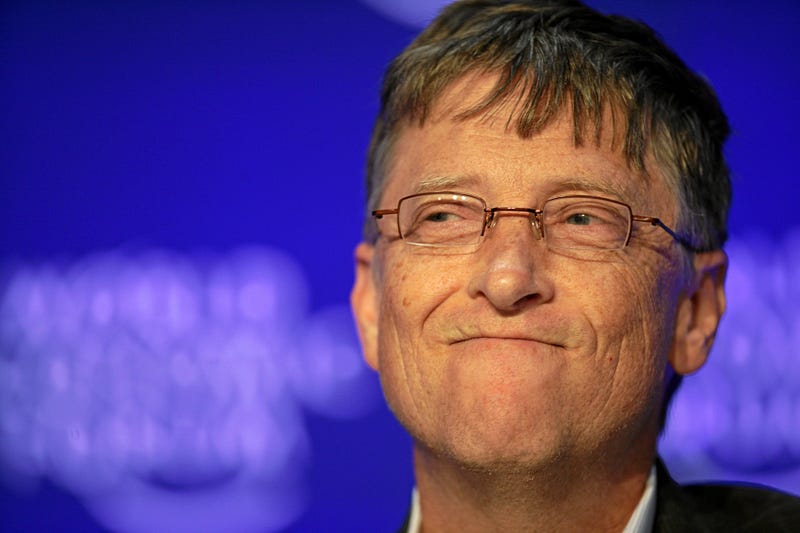
Image Source: Flickr

Knock knock

Who’s there?

Not a Windows Phone.

You mean you haven’t heard? She’s been dying for years now but Microsoft finally took her off life support back in December 2019 (when they stopped providing updates).

Tragic. But It’s okay, she’s in smartphone heaven now; watching over us while we have iPhones in our hands.

But, how did such a tragedy come to be? Two main mistakes — that we should avoid as well in life and business.

Mistake 1: Four Years Late to the Party

Well, when you’re a multi-billion dollar company that’s leading the tech industry (at the time) and have millions at your altar, you get a little cocky.

It all started with Apple and their release of the first touch screen iPhone. They basically changed the game. So competitors, like Google and Microsoft, had to adapt.

Guess which one didn't?

Google ditched its current projects and immediately started working on a touch screen device that would compete with the iPhone and released it a year later. Although Apple got a huge headstart, better late than never, right?

Wrong — at least for Microsoft.

Take a look at this very poor quality video of Steve Ballmer (CEO of Microsoft at the time) being the cockiest, most arrogant person on earth when asked about the first iPhone:

Ballmer eventually realized his mistake in ridiculing the innovation.

Microsoft finally came to their senses in late 2008 — almost two years after Apple’s release, when they started working on a touch-screen Windows smartphone.

That alone took another two years to complete and prepare for the market. So, Microsoft joined the party almost 4 years later.

Luckily for them, they were still the first and oldest in the game — which meant they had brand loyalty and people’s trust in their products. On top of that, while every other smartphone had static app icons on the home screen, Windows presented its users with tiles that provided live information.

Their UX/UI design was on par with Apple. It seems like Microsoft was well on its way, following Apple’s footsteps seemed to be a good idea — finally.

In fact, they were so confident in their products that in 2010, when they released a new Windows Phone 7 operating system, they held a “funeral” for the Apple iPhone — whose reign was apparently threatened by dear old Microsoft.

Is it okay to laugh at this funeral? | IC: Flickr

Unbelievable.

Mistake 2: Stubborn is My Middle Name

[Enter karma]

Ok, maybe they followed Apple a little too much.

See, like Apple, Microsoft was trying to establish strict control over the user experience and hardware for their devices. The problem, though, was that they weren’t making their own phones like Apple was — so working with phone manufacturers was a legitimate nightmare.

Meanwhile, Google (Android) was lenient and significantly easier to work with. If you were a phone manufacturer, who would you partner with? (If you say Microsoft stay away from me)

But yet again, Microsoft had a saving grace. In 2010, Nokia replaced its CEO with a new guy, Stephen Elop, but get this, he was a former Microsoft executive. Does something smell fishy to you?

Now, Microsoft had a body for the soul.

The first thing Elop did was cut Symbian (a mobile operating system) from Nokia and implant Windows Phone as the new software. So, in November 2011, the Nokia Lumia 800 was released — their first Windows phone.

But, this little corporate “scheme” had its downsides. Microsoft was paying Nokia $250 million quarterly to run Windows — this was more than enough to cover their expenses and other needs. Thing is, this drove the wedge deeper between Microsoft and other phone manufacturers because they knew what was going on.

Nokia was getting spoon-fed resources while Samsung, HTC, Motorolla — anyone else would have to fund their own development and pay a licensing fee to Microsoft to run Windows Phone. Yeah, no.

This limited Windows to only one manufacturer, Nokia. So, it became a lot harder for them to market their software to the mass population.

By the time they fixed this production issue, it was too late. It had been four years since the iPhone release and Windows Phone only held 2.0% of the market share.

To deliver the final blow, no one was developing apps for them. Why would they when Apple and Google were winning? That’s where all the buzz was.

So, for the first three years, the Windows Phone’s app store was practically empty. No Instagram, no youtube — a teenage nightmare. As consumers, it didn’t make sense for us to use a phone that didn’t give us access to the most popular apps — we want to keep up with the world, unlike Microsoft.

Eventually, driven to a corner, Microsoft killed the lights in 2017 but kept producing software/security updates until last December 2019.

The Windows Phone was no more.

But She Lives on in Our Hearts… and Business Strategies

There are two key things we can learn from the tech giant.

  • Be willing to change with the world; more optimism, less skepticism.

Change is inevitable, don’t approach things with skepticism like Steve Ballmer. Be more like Google, and recognize amazing potential even when you don’t want to.

Just because your product(s) does well in the market, doesn’t mean a competing product is doomed. It could even trump yours with a little innovation, as Apple has shown.

We should always actively seek out new ways to better your product/solution. If we can’t, then lets at least quickly follow suit rather than fall behind.

  • A little compromisation never hurts.

If Microsoft hadn’t been so controlling on the hardware and UX, maybe they would’ve had more manufacturers on their side and, therefore, be able to mass-distribute their products and climb their way back to relevance.

Sometimes, we need to bite our tongue and make sacrifices for the greater good, like the survival of our product. Things won’t always go our way — it’s a little thing called reality.

Don’t worry Windows Phone, we’ve learned our lesson.

You can rest in peace now, Amen.

Marketing
Microsoft
Humor
Business
Branding
Recommended from ReadMedium