
Why did Ford fail in India?
Quality wasn’t the problem but failing to read the market was
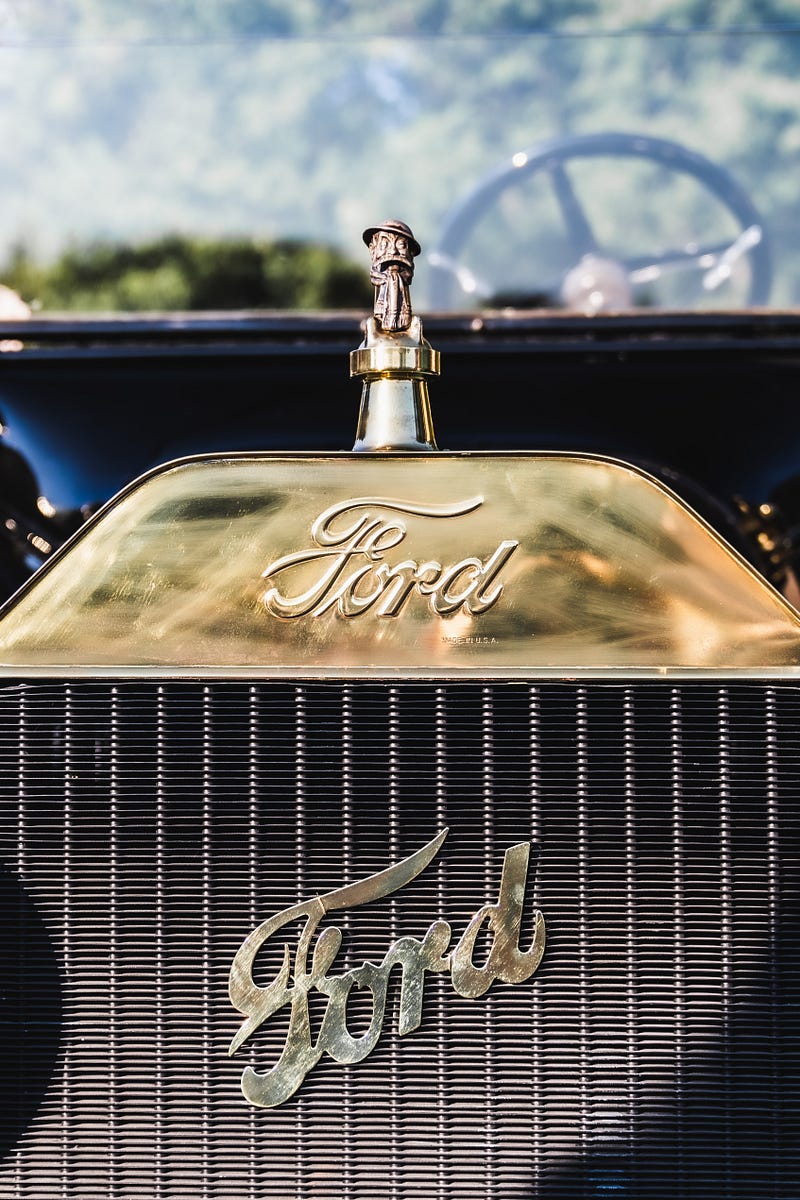
Last year, Ford exited the Indian market; General Motors left the Indian market in 2017. American carmakers keep failing in India, but why do they fail? Both G.M and Ford, at one time, had great prospects in the Indian market, but they couldn’t capitalise on the starts they got.
Indian consumers loved Chevrolet Cruze, Ford Ecosport, but most buyers stayed away from the American brand.
I remember watching Maruti Suzuki’s — the most successful car manufacturer in India — advertisement; the advertisement was set in a NASA museum, and a scientist explains how a rocket works. At the end of the explanation, the scientist is looking forward to questions, and an Indian asks, “Kitna deti hai”, translated into English, “What’s the mileage?”
This sums up Suzuki’s approach, affordable cars, great mileage and inexpensive maintenance.
Where did Ford go wrong?
Looking at India with an American lens
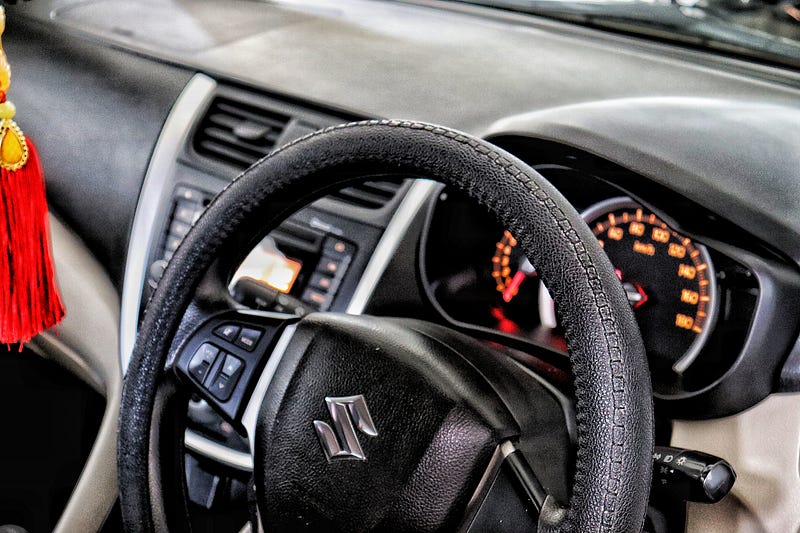
When in India, do as the Indians do. Ford forgot this and launched models that weren’t completely customised for India. India is a right-hand drive, unlike the U.S., but Ford continued placing switches in Indian cars the same way as it did in U.S cars.
I was driving a ford, and I yanked the switch that was right to the steering column because I was turning right, but the wipers got active. I cursed Ford; I yanked the switch that was left to the steering column to turn on the right indicator. But I enjoyed driving the car.
As this article puts it, “Some of the Ford India’s car models, the owner-driver, had to get down, go around the vehicle, open the left side door to unlock the boot, certainly a tedious affair.”
“Their initial attitude towards the Indian market was something like this — you ate the pizza and burger that were launched. So, drive the model we offer. But the pizza and burger companies Indianised their products while the American carmakers didn’t do that,” the expert said
Sure the Indians loved the burgers, but they loved them because it was customised for India. Globally, McDonald’s Big Mac beefburger is their star product, but if they had launched it in India, they would have left India faster than they came. They offered Indians a product that befitted the Indian culture: Chicken Maharajah. Indians just love royalty and chicken.
Chose power not mileage
Ford looked at India with the American lens; they looked confused when the media asked about their cars’ mileage because they focused on engine power. And I have driven a Ford, and I can vouch for the quality and power, but most Indians prefer mileage over power.
Initially, small cars were absent from Ford and GM’s global car portfolio, while Maruti and Hyundai continued to capture market share by launching small cars. Small cars have been the sweet spot for Manufacturers in the Indian market, but Ford and GM ignored it.
One-model company and wrong investment move
Ford India has been largely a one model company; the company’s one model did well while other models managed to find a few customers. Further, Ford’s decision to invest in a greenfield project in Sanand wasn’t a wise move. Even as there was a huge capacity at its Chennai Plant, Ford India spent about $ 1 billion to set up a plant in Sanand, Gujarat.
“Without expanding the Chennai plant capacity by 30 per cent, investing in a greenfield facility at a huge investment was a wrong strategy. A company runs into loss not only due to lack of sales but also due to its investment decisions,” V.G. Ramakrishnan, Managing Partner, Avanteum Advisors LLP told IANS.
In the financial year 2018–19, Ford just sold 93,000 units and captured 2.75% of the market. After two decades, those figures raised questions on Ford’s Indian prospects.
Indians love low cost
Anyone, who has any idea about the Indian market, knows Indians love low-cost, whether it’s mobile tariffs or cars. The cheapest cars do best in India, and the popular cheapest cars come from Asian manufacturers, not U.S manufacturers.
Indians have limited disposable income and can’t afford a passenger vehicle price of more than 5 lakhs rupees ($6,800). That explains why just 15% of the automobiles sold in India are passenger vehicles, and the rest 85% are scooters or motorbikes.
The cheapest passenger car Maruti offers in India starts at 3.15 lakh rupees, while Ford’s equivalent starts at more than 5 lakh rupees.
Poor network of service centers
Ford also failed on another front: a network of service centres. Indian consumers prioritise good after-sale service. Maruti has 3,500 service stations, Hyundai has 1300 service centres, Kia, in its short two years, managed to build 125 service centres, but Ford, even after two decades, had 308 service centres pan India.
The straw that broke Ford’s back
Ford’s last attempt to survive in India was a joint venture with Mahindra and Mahindra Ltd. If the joint venture had come through, Ford and Mahindra would have launched 7 SUV’s. The joint venture would have saved the company’s capital, design and development cost, but the joint venture was smothered even before its birth.
And this was the straw that broke the camel’s back. Ford had so desperately wanted the joint venture, and when the joint venture fell apart, it didn’t have a plan B. Ford had no alternative; it just couldn’t survive solo because it hadn’t launched any new models in the recent past, and it couldn’t survive the brutal Indian market with the ageing models.
Ford offered quality products, but that wasn’t enough to capture the Indian Market. Ford failed to offer Indian specific cars or cars that weren’t priced higher than its competitors. And even if Ford offered cars at a higher price, it didn’t offer enough features to justify the cost as Hyundai has been doing.
Ford forgot the adage: When in India, do as the Indians do. I hope Ford someday returns to the Indian market with an Indian specific strategy.


