
Why cryptocurrencies are here to stay, regardless of what governments do
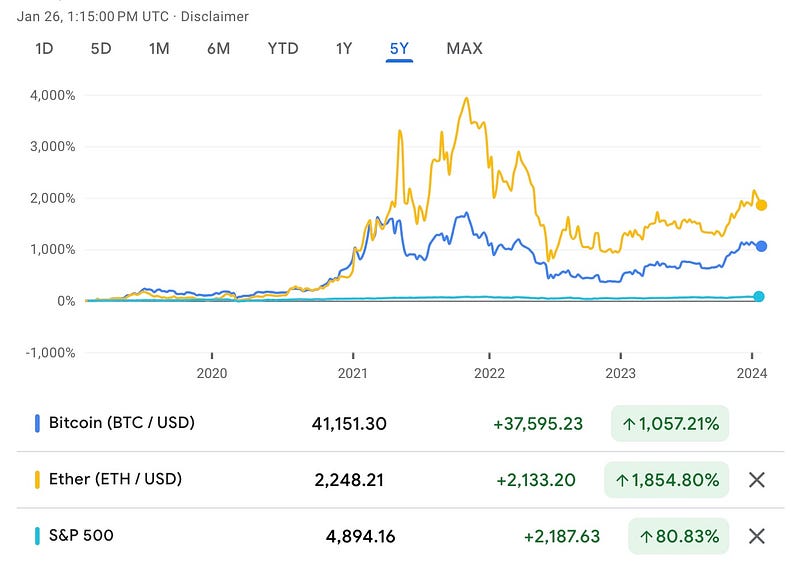
The SEC’s recent approval of exchange-traded bitcoin investment funds (ETFs) is attracting growing numbers of new investors aware of the potential profitability of cryptocurrencies, and reflects the way that previous new technologies have quickly been adopted once initial fears are overcome. In response, The Economist is asking whether cryptocurrencies, like cockroaches, will now be with us until, or beyond, Doomsday.
Cryptocurrencies such as Bitcoin or Ethereum have survived phases of skepticism, popularization, copying and replication, falls from grace from some of the main exchanges, regulatory uncertainty and even prohibition. China banned cryptocurrencies in 2021 in different phases: in May of that year it ordered financial institutions to end all transactions; then in June, it banned cryptocurrency mining nationwide, and finally banned cryptocurrencies altogether in September.
In addition, Egypt, Iraq, Qatar, Oman, Morocco, Algeria, Tunisia, and Bangladesh have banned them, while 42 nations, including Algeria, Bahrain, or Bolivia, have implicitly banned digital currencies by imposing restrictions on banks’ ability to trade them, or by banning exchanges. Russia has long been considering prohibiting digital currencies and even the International Monetary Fund does not rule out the possibility of a total ban.
And yet, the value of established cryptocurrencies like Bitcoin or Ethereum continue to rise, albeit with ups and downs. Even in China, it is clear that the government’s measures have largely been ignored: the bitcoin ecosystem took very little time to overcome the ban on mining in China. I what accounts for the maximum proof of hypocrisy, several Chinese state banks circumvent the ban through subsidiaries in Hong Kong, while exchanges such as Binance openly tell people how to avoid the bans, and more and more Chinese citizens invest in bitcoins in search of returns they can’t find anywhere else, doing so through any means possible.
What happens when a non-centralized technology, the blockchain and its use as a support for cryptocurrencies, becomes a value proposition that more and more people see as the future of money? Quite simply, not even governments can stop it. Most people do not buy bitcoins or ether to speculate, but because they consider them a good bet for the future and, basically, weapons of mass construction considering the ecosystems they are contributing to build. Or a store of value, in the same way as gold. Or, as The Economist puts it, as practically indestructible and governed by something as secure as an algorithm, regardless of what the system it seeks to replace tries to do.
If you want a textbook case of innovation applied in real time, take the time to understand what’s going on with cryptocurrencies: they’re here to stay.
(En español, aquí)


