
Why Crop Protection?
Technology Helps Farmers Produce More With Less
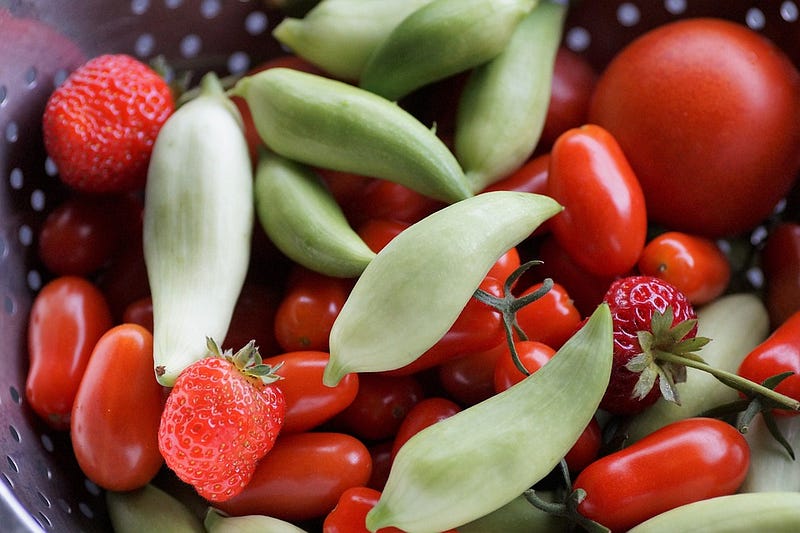
As the population continues to grow, increased pressure is put on crops to feed the many. We are just too busy to think about how a farmer harnesses science and technology.
The organic boom is still going. Organics are labor-intensive and expensive. The proper use of pesticides and herbicides lets farmers grow more and use less land.
What would it mean to farmers if they could increase crop productivity by up to 50%? Think of the potential to produce bigger crops on less land. It would be a tremendous benefit to the population.
How to accomplish such important and impactful goals?
Farmers will tell you they need:
* Top-quality seeds
* Fertilizers
* Water resources
The key to high-quality food and fiber production lives where science and technology meet. The smart use of pesticides is central.
Stop the man on the street for a quick survey. Ask plainly. What is your opinion of pesticides? I am willing to bet not one response one person will say it is a beneficial agricultural tool.
The fact is pesticides allow farmers to produce more crops on less land. Pesticides turn hard work and effort into bountiful harvests.
Pesticides may have a negative image to some, but most people don’t realize their importance. Used properly, we can better meet the demands of a growing population.
We know fruit and vegetables are part of a healthy diet and are the enemies of chronic disease. Eating them as part of a healthy diet reduces the risk of heart disease and many cancers.
The world of business is competitive. Every company is looking for a competitive advantage. A maker of semiconductors discovers a combination of microscopic and laser technologies. Together with sophisticated silicon manufacturing methods, distinct advantages emerge.
Rival companies are forced to overcome their competitor’s advantages. The pressure to produce top products that sell is increasing. It is much more difficult to gain market share.
Now think of the farmer who benefits from the investment of time and money by the pesticide maker. They create products that help grow more food on less land. Pesticides protect crops. Farmers can grow more crops with less risk and keep prices low. Crops turn up on the dinner table more often.
Compare organically grown crops grown with herbicides. The organic farmer spends significant time on hand weeding. Growers who protect their crops with herbicides may be less. Extra labor related to hand weeding drives costs back into the final price of the crops. Organic crops are more expensive by the time they get to market.
Take a moment to consider this. Science and technology combine to create pesticides. In turn, when used properly, they cut down on diseases such as Malaria, Lyme Disease, and the West Nile virus. Pesticides play an important role in preventing disease. The impact of outbreaks is less when we control rodent and insect populations.
In short, farmers can produce more with less. Low-cost production is a competitive advantage.
Farmers use organic or natural fertilizers to improve their products and better cater to the needs of the organic product buyer.
Here are some ideas to promote natural and healthy plant growth, development, and propagation.
- Coffee Grounds — Tomatoes and roses love acid. Coffee grounds add nitrogen, minerals, and vitamins to the soil. Toss those grounds into your compost heap. It is as easy as that.
- Worm Castings — Worms in your compost are a healthy sign. That rich black soil (worm poop) at the bottom of your flower pots is rich in nutrients.
- Grass Clippings — Grass goes green with nitrogen. Rain is a huge supplier of nitrogen. Set aside your grass clippings and dilute them in water. Strain the grass and use the tea to water your plants. You will be adding nitrogen, oxygen, and phosphorus to your soil.
- Manure — Livestock manure will work potassium, nitrogen, and phosphorus into your soil. You may also want to pick up a bag to start or enrich your compost soil. Don’t overlook inexpensive chicken manure as an option or supplement.
- Banana Peels — Peels in your compost or buried under your plants decompose and add potassium,
- Bone Meal — For stronger development of roots and growth of flowers, supplement your soil with bone meal. It is a dependable source of nutrients your plants need to grow strong.
- Egg Shells — Place eggshells in a mayo jar, fill it with water, and close the lid. In a couple of days, you will have a tea your plants will love.
It is imperative to learn more about the positive impact of pesticides. We experience the good they have on our food supply.
Think of that the next time that wedge of lettuce hits the table.
*** *** ***
Douglas Pilarski is a writer/journalist living in Portland. He covers luxury goods, lifestyle, exotic cars, CJ-CX, workplace issues, food, horology, and tech. He is a regular contributor to medium.com
sawyertms.com \\ [email protected] \\ medium.com/@dpilarski
@realsawyertms
Copyright © 2020 AstonBell Media
All rights reserved.
*** *** ***


