
Why Money-Coaches Like Kiyosaki Were Wrong
As I write these lines, the world goes into one of the worst crises in history. The consequences are not yet entirely foreseeable. Nevertheless, for myself, it is time to reflect on my behavior and thoughts.
After reading books like “Rich Dad, Poor Dad” & alike, I woke up for the first time. My view on earning money and the will to make a lot of money completely changed.
I have to admit, I studied economics and entrepreneurship for over five years. The content of these studies, I realize now, was mostly far away from suitable for everyday life.
Kiyosaki developed something straightforward yet beautiful for a lot of people: an understanding of how money and making money works. And this by merely reading his books. I was on fire. From then on, I became a massive supporter of daily routines, especially of daily reading habits.
These reading routines saved me literally dozens of years. I gained and still gain so many new views on topics which gives me the ability to adapt or change my behavior accordingly.
A good friend of mine reminded me to always analyze what you consume:
“You should always take a close look at the underlying messages and beliefs. During your daily reading routine, you will think with the brain of the author. That is the magic of writing. And here is where it gets interesting. The author does not only transport his story, he also shares all his thoughts, belief systems, and things he takes for his reality, and you absorb it.”
Having said this, you and I should always be very attentive while reading. Not in an overcritical way, but in a healthy way.
A very good friend of mine, Marc A. Pletzer, once said:
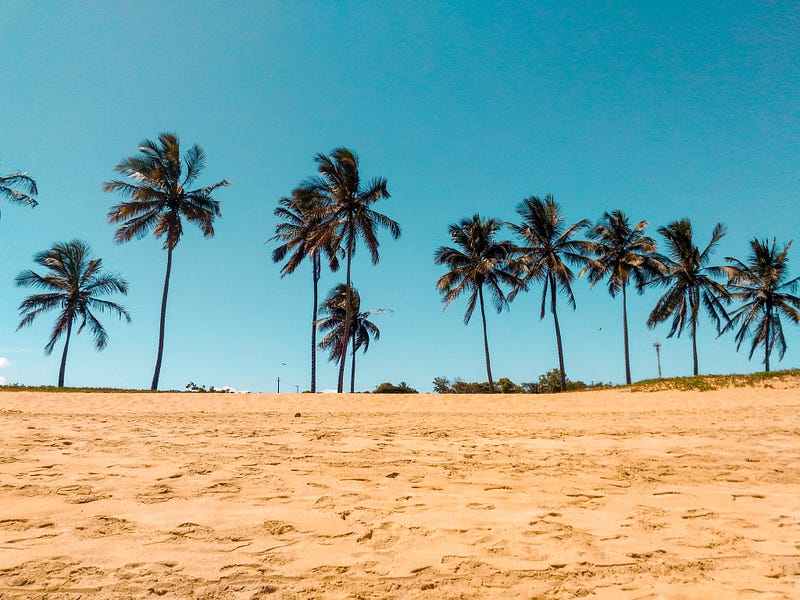
“Some of the fortune kids had the privilege to play on a beach (sad times for someone from Switzerland — I can feel this…). While enjoying the time at the beach, some may have started to build a sandcastle. And you were also constructing your castle. The sun was shining, and you could hear the waves break nearby. Not to close, hence you would like to build your palace in a secure and protective area, but also not too far away, as you would need some water from time to time. During your short breaks, you could walk to nearby castles and get inspired by their architecture. It was up to you if you would take some parts from the other “chateau” and integrate them into your project or stick to your plan.”
What I learned from Kiyosaki is a great new perspective on business and making money, but I did not analyze it in depth. One statement he often makes is that you should use other peoples’ money or time.
What does this mean? You could, for instance, buy a house and let other people rent it. They would then pay for your dept. You can create wealth by simply gathering a lot of houses and making other people live in these.
Isn’t it a funny concept?
It leads to another question. When will this end?
I met people in coaching sessions and in other meetings who had up to 900 different apartments, and they still were not feeling secure or wealthy. Can you believe this?
Marc A. Pletzer, at some point, asked me:
“Daniel, what will you do with 50 million Euros?”
I answered: “Probably enjoying a great view from a pool together with excellent friends. We would talk about great plans, our development, philosophy, and would laugh a lot. Nearby would be a fireplace for the barbecue and lodging for my Large Swiss mountain dog.”
“Ok, here are 5.000 Euros — fly to Majorca (this was in 2019) and enjoy your dream. If you don’t have any idea what to do with 50 million Euros, why would you do a detour in struggling to get them.”
I sat in the seminar and was flabbergasted. Marc was right. Maybe my dreams were either not big enough or I enjoyed other things more than earning a lot of money.
The best memories that come to my mind seldomly had something to do with making a lot of money.
Do you remember the times when you were laughing with your friends in a way everyone was shocked? It did cost me hours of school lessons. They expelled me from classes on several occasions. And I still have to smile about these situations.
Or can you think of the miracles like holding a very small terrestrial in your hands for the first time?
It might be your baby or, in my case, my nephew. I am still amazed that I didn’t break anything while holding him.
Or the movie you had in your mind when you were at the beach? Or in the mountains? Or the chats with friends after a great day?
These memories are the ones that are striking out the most for me. Three weeks ago, I was sitting with my wonderful friend Andy in a Thai restaurant. We were discussing what we want to achieve in our lives. And the funny thing was that we both came up with a great image:
In Italian or Greek movies, you often see older men sitting on small white chairs around a white table. Sometimes a bottle of wine, more often a bottle of olive oil (not sure if virgin though) and bread were on the table.

They were overlooking the sea and talking about good things like kids playing in the street.
How happy do you think they are? Can you see them smile?
Why do I have to struggle to earn money when I find happiness in things that do not cost anything?
Kiyosaki was entirely right — if you want to achieve financial freedom, you have to do something different than they tell you in school or universities.
My point of view starts before.
You and I also were not taught how to live a happy life.
Randomly, you found great moments of bliss that accompany you through the rest of your life.
My questions to you are:
- Do you seek more happiness now?
- Do you want to laugh harder than ever before?
- What is the additional benefit of the next apartment you buy, the next wristwatch you wear (okay, some of them are really nice), the next company you own, or the next car you drive?
- Do you have goals for the time after you achieved financial freedom?
- Or do you just snorkel through your pool and drink another Pina Colada?
- What do you do for other people?
- Do you still consider yourself the most crucial individual in the world? Or do you rethink this approach?
From my perspective, there must be a reason why other people live with you on this planet, and I think it is not for them paying to be your debt.
I hope you find your happiness on your way to freedom and not after you got there.


