
Why Compassion is the Only Skill that Truly Matters in Medicine
Insight from 24 years as a pre-hospital emergency medical professional
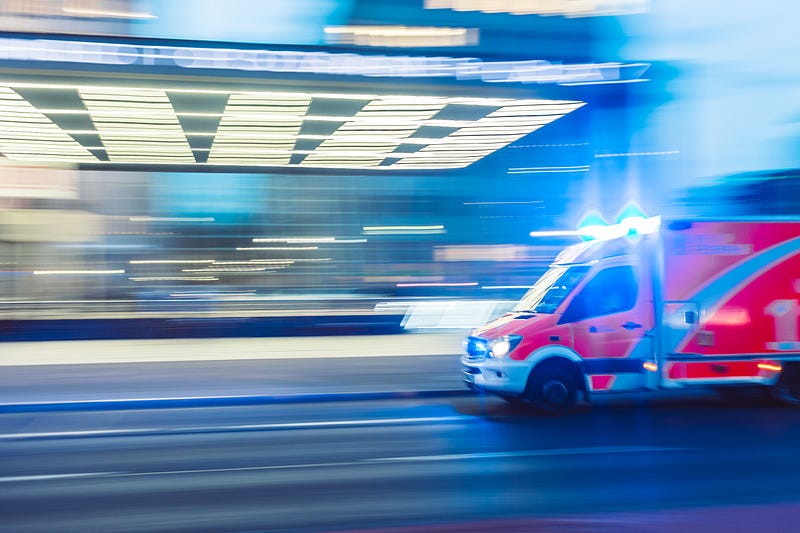
It wasn’t until she reached for my hand and looked me in the eyes that I knew that she was probably going to die.
I had four years on the job; three as an EMT and now about a year as a paramedic. My partner and I had responded to a call of a ‘worst headache ever’ at a private residence in our city. The patient was a woman in her mid 30’s, nice home, with a very concerned husband by her side.
“Darlin’, we are going to need to get you to the hospital.” That was my partner, a seasoned paramedic and self-stylized cowboy. In fact, I can’t be sure, but I imagined that at some point he had come to terms with the fact that professional firefighter/paramedic paid a lot more than cowboy and begrudgingly had become very good at the former while imagining he was the latter.
We hadn’t stayed in the house long. The symptoms of bad headache with some hinted-at neurological deficits suggested urgency. We had loaded her on our gurney and placed her in the ambulance. I had just finished placing the IV when she reached for my hand.
I realized later that my partner knew the gravity of the situation from the very moment he saw the young woman. I also later marveled at how his patter, his bedside manner, flowed seamlessly as we worked quicker than normal. His calm demeanor, warmth and compassion was present just as with any patient; maybe even more so today. For me in the moment, however, I was caught up in the logistics of the situation.
After 19 years working in the field as a pre-hospital emergency medicine provider, I have born witness to more people than I care to remember having that particular look in their eyes. Sometimes people just know when they are about to die.
In spite of the remarkable achievements of modern medicine, people still get sick, suffer calamity, and die. Medicine and medical care make a positive difference every day. There are interventions that literally save lives and medicine that dramatically improves quality of life, yet that isn’t always enough.
That was the case for this young woman. The vessel that ruptured inside her brain was large, the bleeding profuse. Even if it had happened on the operating table in the neurosurgical suite at the hospital the outcome would likely have been the same.
There was very little we could do for her in terms of medical procedure, all we could offer her, and her husband was kindness and compassion. Thankfully, my partner was there that day to do exactly that.
I thought about that call a lot. I still acutely remember the helplessness I felt knowing there was little I could do to impact the outcome of the event. At darker times I even questioned my self-worth. My job is to save lives, right? What does it mean if I can’t even do that?
I won’t say this particular call was a catalyst for me. The workings of my rationale may have been percolating much earlier than this day. But I slowly began to recognize a common denominator that all medical professionals can offer — compassion. No matter what the symptoms, disease, situation or outcome, the interaction between provider and patient, between humans, is common to all medical events.
Many years and many thousands of calls later I went on what I consider to be the best call of my career.
This time the patient was a bit older, a woman in her mid 70’s, otherwise relatively healthy except for today when she had lost consciousness for a few moments. Since an unexplained syncope (passing out) could indicate a possible arrhythmia, our protocol was to transport the patient to the Emergency Department for observation and further testing, even though the patient was awake and feeling fine by the time we arrived.
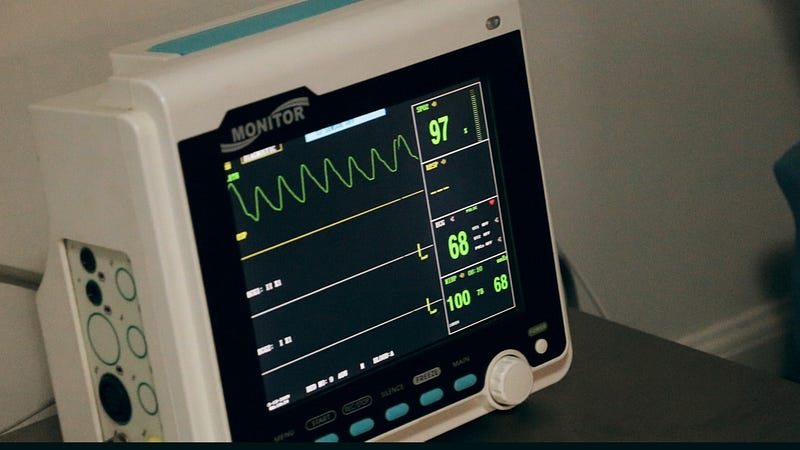
We loaded her in the ambulance, and I called the hospital to let them know we were coming to visit. I rode in the back with the woman, and normally I would be multi-tasking on the way to the hospital. I would take another set of vitals, get a serial 12-lead EKG, ask the patient numerous follow up questions about the event and past medical history, and if I was really on my game I would have most of my electronic report done and the equipment we used cleaned and ready to go for the next call by the time we arrived.
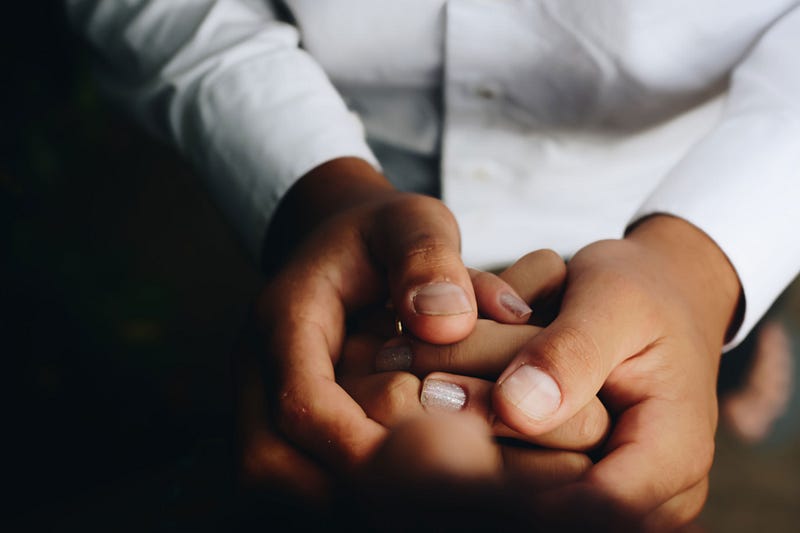
Today was different. Again, she reached for my hand, although the look in her eyes was different from the woman so many years ago. This day it wasn’t a sense of mortality, but rather apprehension and fear of the unknown. I knew inherently that trite reassurances would have been meaningless; I sat and silently held her hand. I ignored everything else and concentrated on being there in the moment.
I don’t recall either of us speaking. I do distinctly remember her demeanor changing though during our ride. I watched the apprehension melt into resolve and the fear transition to peace.
To be clear, I didn’t DO anything. I was simply present. I was compassionate, caring and kind. And that day, to that person, it made all the difference.
As medical professionals we cannot control the outcome of our interactions with patients. What we can control, however, is our inputs. No matter the situation we can always insert kindness. We can offer calm. We can demonstrate compassion, and we can be present in the moment.
At the beginning of my career I took great pride in how well I could start difficult IV’s or intubate patients. As I matured in my profession, I came to realize that it wasn’t the technical skills or techniques that mattered as much as it was the way I treated my patients and their loved ones. The only skill that truly mattered was my compassion.