
Why Clickbait Is Fine on YouTube (if You Get It Right)
And three examples of where I’ve used clickbait personally
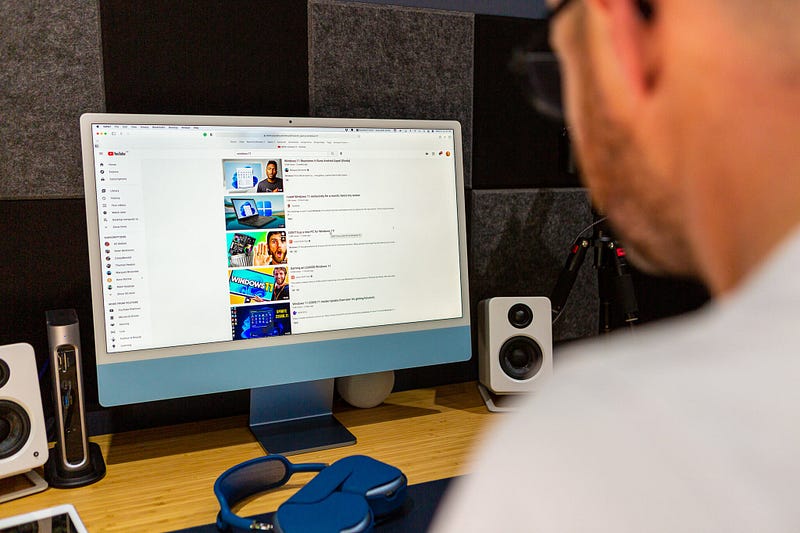
If there’s one type of comment that annoys me more than any other on my YouTube channel, it’s someone accusing me of creating clickbait.
Each week, there’ll be at least one armchair YouTube expert who’ll point out that I’m attempting to trick people into clicking on my videos.
This is as irritatingly lazy as the comments I receive from viewers who label me an ‘Apple sheep’. They’ll have given zero thought to why I’ve chosen a particular title for my video, and the presence of what they believe to be clickbait will have clouded their entire view of the content that followed.
Today, I’m on a mission to reassure fellow creators (whether you’re just starting out or have been doing this for years) that clickbait is absolutely nothing to be ashamed of.
Dispelling the myth about clickbait
If you number among the people who think that clickbait is a terrible thing and to be avoided at all costs, I’d like to reveal two facts:
- it’s a vital element of content marketing; and
- if you want to build an audience online, you’ll need to use it.
Now, at this juncture, it’s important to highlight that I’m referring to genuine, passionate creators; people who take pride in what they do and who genuinely want to build relevant, engaged audiences. There are, of course, people and organisations who use clickbait for less palatable reasons but they’re easily distinguishable from the good guys (I’ll get onto that next).
Clickbait isn’t a dirty phrase. It’s not a trick. It isn’t in the same ballpark as purchasing an audience or email list. It doesn’t lessen your competency as a content creator.
Clickbait is an incredibly useful, essential tool if you want to be successful on YouTube. If you want to get into this game, you’ll need to come to terms with the fact that you’ll have to create clickbait.
But why is it so universally despised?
How clickbait got a bad name
When you think ‘clickbait’, you probably think of the numerous times you’ve seen a ludicrous headline on a social media post which you can’t help but click — even if it makes you feel slightly queasy when doing so.
You Won’t Believe What Happened After This Photo Was Taken!
Prince Harry’s New Look Will Absolutely Shock You…
Alas, when you click through, you’re taken to an ad-infested web page that offers no pay-off. What happened after the photo was taken, exactly? New look? Prince Harry has clearly done nothing more than have a shave!
You’ll find articles like this strewn across your Facebook feed and within the footer area of genuine news articles. What’s worse is the fact that some of the biggest media conglomerates on the planet invest most of their editorial time in creating this kind of shit.
Why? Because people click on it and subsequently interact with their ads. It’s depressing but true.
But this isn’t the only form of clickbait. What irks me the most is that it has given an incredibly important element of content marketing (which is, after all, exactly what you’re getting yourself into if you start a YouTube channel) a very bad name.
To me, the term ‘clickbait’ simply means ‘awesome title’.
Let me explain.
What makes good clickbait?
Here are three examples of where I’ve personally used clickbait on YouTube:
If you hunt through the comments for the videos above, I can guarantee you’ll find one or two people ‘accusing’ me of using clickbait. Curiously, though, the most recent “this feels like clickbait” comment I received was on a video titled ‘M1 Mac mini long-term review’.
Yeah. Go figure. Although, this does reveal how the term has lost all meaning.
In order for clickbait to not be of the ‘ What Oprah Said Next Will Give You Nightmares’ variety, it needs to do one very simple thing. Your video title needs to tempt people to click through to content that delivers on the promise. Remember — clickbait gets a bad rap because media companies use it to trick people into accessing content that doesn’t follow up on the promise of the title.
If we take my ‘Windows 11 disaster’ video as an example, the content delivers. I explain why I think the launch of the Windows 11 preview was an unmitigated disaster and reveal that, actually, I’m on the side of Windows users; I want Microsoft to do their operating system the justice it deserves. It’s a light-hearted tongue-in-cheek commentary piece that won’t be for everyone, but — and as proven by the ratio of likes to dislikes — it will resonate with the right audience. For them, my clickbait worked.
Alas, the trolls arrived in their droves. As expected.
My advice to anyone who wants to build a successful YouTube brand is therefore satisfyingly simple: embrace clickbait, but don’t misuse it. The fight for attention on YouTube is a big, scrappy one, and that means you need a catchy title and equally click-worthy thumbnail to get noticed.
Check out the list of videos you’ve watched in your viewing history on YouTube. I can guarantee that most of them will have used clickbait to tempt you in. The videos you watched in their entirety absolutely nailed it — those are the videos to learn from. They baited you, but they delivered on the content and you benefitted.
Clickbait should always result in a win-win situation for both parties. I repeat: it is nothing to be ashamed of.
How to deal with people accusing you of clickbait
I’ve always suggested that you should deal with trolls on YouTube by ignoring them, but I appreciate this isn’t as easy as it sounds.
I personally find it very difficult not to react when someone suggests that I am in some way using clickbait for nefarious purposes. When I receive comments of that nature, I reply honestly. I tell them that, yes, I use clickbait to tempt people to watch my videos, but that I work incredibly hard to ensure the content delivers value for the right audience.
They never reply. But my responses will be seen by onlookers who, I hope, are a little more open-minded about this stuff.
So, if someone ‘picks you up’ on clickbait, respond with confidence. Remember — you’ve done nothing wrong; clearly your content simply wasn’t for them (that’s fine, too!).
Get a behind-the-scenes look at my channel
Every week, I send a behind-the-scenes video exclusively to my newsletter subscribers. It’s free to join, and provides a weekly glimpse of what goes into my channel — blood, sweat, tears and all!
Join my behind-the-scenes mailing list
Originally published at https://markellisreviews.com on July 21, 2021.