
Why China is not attacking Taiwan?
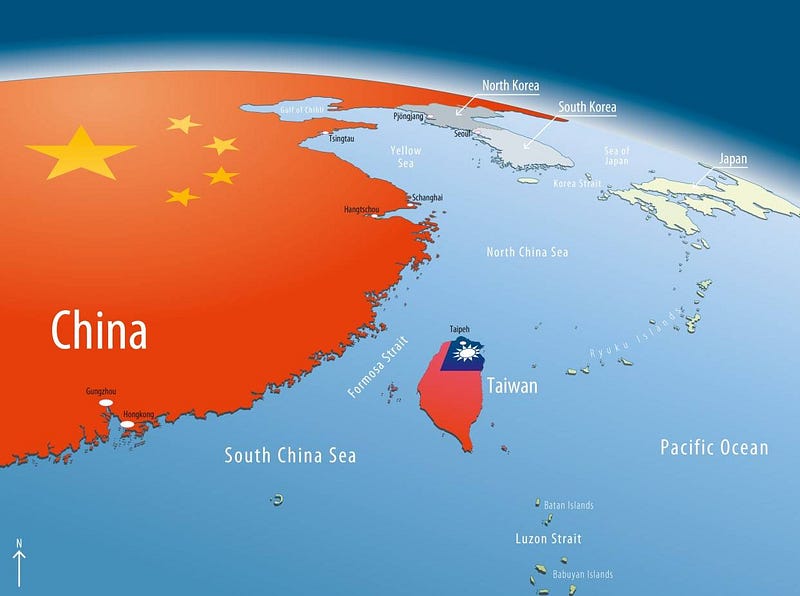
There are several reasons why China has not launched a military attack on Taiwan:
- Diplomatic and economic considerations: Taiwan is an economically significant entity in the region, with strong trade relations and investments from various countries. An armed conflict with Taiwan could lead to severe economic repercussions for China, including trade disruptions, sanctions, and international isolation.
- International opposition: A military attack on Taiwan would likely draw strong condemnation from the international community, including major powers such as the United States and its allies. It could result in military intervention or other forms of support for Taiwan, creating a potentially costly and protracted conflict for China.
- Taiwan’s military capabilities and defense linkage with the United States: Taiwan has invested in its defense capabilities and maintains a well-trained military force along with its defense linkage with the United States. There are several significant elements in their relationship that contribute to Taiwan’s defense and security:
(a) The Taiwan Relations Act (1979): The United States does not have formal diplomatic relations with Taiwan but maintains unofficial relations through the Taiwan Relations Act (TRA). The TRA serves as the foundation for the relationship between the U.S. and Taiwan, including provisions for maintaining peace, security, and stability in the region.
(b) Arms Sales: The United States is a major arms supplier to Taiwan. The U.S. government has authorized several arms sales to Taiwan over the years, providing military equipment and technologies to enhance Taiwan’s self-defense capabilities. These arms sales are conducted in accordance with the TRA.
(c) Unofficial Security Cooperation: The U.S. and Taiwan engage in various forms of unofficial security cooperation. This includes military exchanges, intelligence sharing, joint training exercises, and consultations on defense matters. These activities aim to enhance Taiwan’s defense readiness and deter potential aggression.
Hence Chinese invasion of Taiwan would not be a simple undertaking and could result in significant casualties and resistance.
4. Sentiments of the people of Taiwan: The people of Taiwan at the moment don’t want either to become part of mainland China or a separate sovereign country. They wish to maintain the status quo.
In view of the above-mentioned China will not attack Taiwan until it becomes strong enough to resist the United States’ response and pressure of its allies and as a matter of fact the willingness of the people of Taiwan to become part of mainland China.


