
Why Career Coaching Won’t Work For You
Because traditional approaches don’t work in our modern world

Even before COVID changed the world at warp speed, traditional career coaching was out of touch with the jobs of today. Similar to education, a lot of what is being taught or coached is just not in line with modern society. Some might not like it, but a social influencer is a job, as are many other roles that traditional coaching and education refuses to get on board with.
It used to be if you suggested being a sportsman or woman people told you to get a back-up plan, that your chances of achieving your dream job were slim. But at least that was acknowledged as being a career. So many modern roles are not even be seen as real careers and with that background, traditional career methods are not geared to work out a path of how you achieve these roles.
Most career development plans focus on reaching a goal, then work backwards to see how you achieve that. The problem is that this assumes that people know what their goal is and that it’s not an ever-evolving mindset. Yes, some people do know what their end goal is, the ultimate job that they want, but in this modern world, there are far less of those people. We live in a world where technology has given people the ability to evolve and change faster, meaning people constantly reassess what they want to do.
It’s a more agile and individual world, where new jobs and careers are getting created at a faster rate than any time in history, which means career development needs to evolve with the changing times. Think about the jobs that are now commonplace but didn’t even exist just 10 years ago.
- Social Media Manager
- App Developer
- Cloud Services Specialist
- Uber Driver
- Data Scientist
- YouTube Star / Social Influencer
And there are so many more. Go back 20 years and hugely important senior roles like Chief Information Officer or eCommerce Director, as well as popular roles like Web Analyst, SEO Specialist, Virtual Assistant or (whisper it quietly) Professional Blogger, were not even a consideration.
The working marketplace is constantly evolving and career coaching needs to reflect this. It needs to be bespoke to the individual and not rely on a static process.
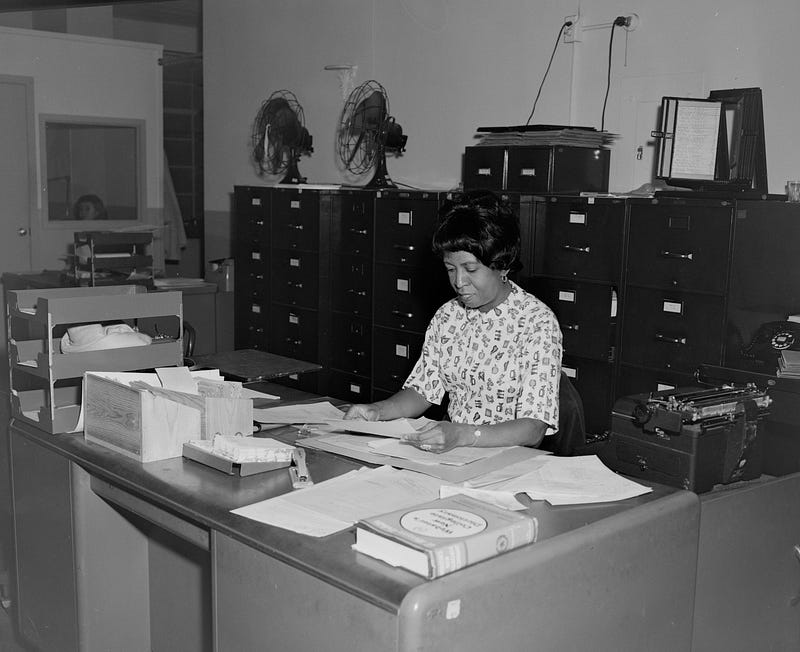
I always like the example of the virtual assistant. Yes, you can claim its just an evolution from secretary or PA roles, but it has become more complex than that and can you imagine someone in 2006 sitting in a career counselling session being asked what they want to do and suggesting they want to help owners or business, but to do it exclusively from home and that they were going to do it for multiple businesses at once — you would have been told that ‘wasn’t a thing’.
One of the initiatives we had at my previous company was career coaching buddies, where anyone could ask for a career coach and they would be matched with someone outside their usual influencing network. As CEO, I wanted to show everyone that this meant anyone could get involved, so I offered to coach one of the junior members.
He was someone highly rated within the company, but no one was quite sure on his future, because he didn’t fit into the traditional roles. So I took a totally different approach with him because I’ve had multiple jobs that were not traditional and wanted to give him the chance to evolve based on his talents, as I managed to do with my career.
I asked him to vision what made him happy, to look ahead, as you would in a traditional session, but rather than think about a role or a job, I just wanted to understand things he might be doing. It’s an approach I have always taken with my own career. What he listed were a series of tasks and emotions that didn’t fit any traditional job. But that didn’t matter, because we weren’t looking to pigeon hole him, I wanted to create a role that fitted him.
In the end, he started a new role that allowed him to effectively cover one traditional role in client services on a part-time basis and then develop special projects that helped make the business more efficient. By being flexible and agile, we were able to generate a new position that enabled him to have a job he loved and the business got immense value.
And this is how modern business works, it’s changing, it’s evolving and thus career coaching needs to evolve. As I said near the start, so many jobs that are now mainstream evolved because people and businesses were prepared to be brave and build roles that worked better for the person and the company.
Try remembering this the next time you suggest that the account manager should aim at account director or if you are that account manager, don’t feel that you have to go in a straight line. If you want to work with clients but you also love to develop code, then find something that allows you to do what you want.