Why Can’t Some People Cry?
Understanding of Tearless Eyes
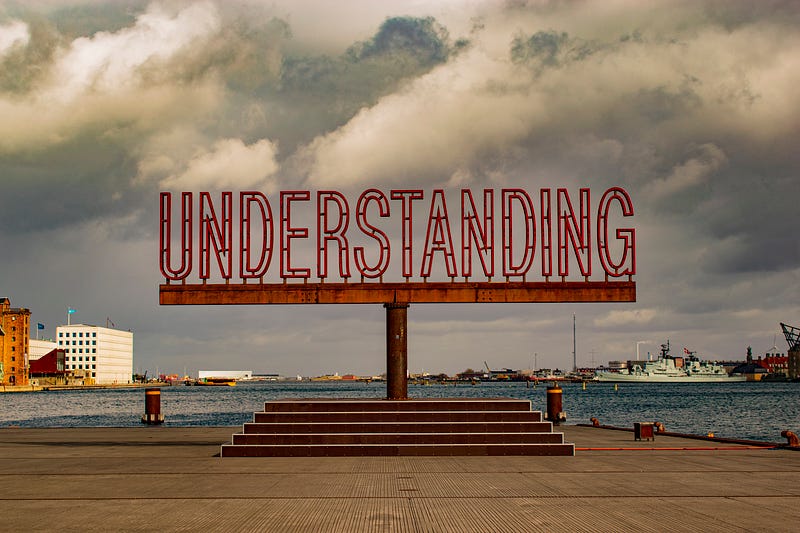
Just like laughing tears, there is a phenomenon of Dry eyes, where people cannot weep or cry with tears in their eyes. Sometimes, it becomes frustrating and disturbing for persons with dry eyes as generally; people think that a person with no tears has no kindness at heart.
There are many mental and physical situations that can make it impossible for some people to cry with tears. This strange phenomenon and the proof that supports it will be looked at in this blog.
Among the significant jobs that tears do include keeping the eyes healthy and making it easier to communicate and process emotions. And you know, in contrast to the basal and reflex tears (tears during laughter or after irritation with the cutting of an onion), tears that are shed because of feeling have a different chemical makeup.
If you have yet to read about basal or reflex tears, here is my already-published story link for understanding the mechanism of happy tears.
For instance, Antidiuretic Hormone and Leu-enkephalin are two primary hormones that are released in higher concentrations from the eyes along with the tears when you are emotionally disturbed or have some grief to express. But such hormones are not present in tears, which don’t have any emotional linkage; yes, you can say it crocodile tears.
Furthermore, physiological dysfunction of the lacrimal glands significantly contributes to some people’s inability to weep or make tears. Tiny, almond-shaped glands located just above each eye secrete tears. Reduced or no tear production may result from dysfunction of these glands. Causes include Sjögren’s syndrome, a chronic autoimmune sickness that attacks the glands, producing tears and saliva.
In addition, the nervous system has a substantial impact on tear production. The inability to cry due to intense emotion can be caused by damage or dysfunction to the cranial nerves that regulate the lacrimal glands. Nervous system disorders like diabetic neuropathy can also impair the signaling between the brain and the glands that produce tears.
You might not be able to cry for mental or emotional reasons as well. Some people might find it hard to cry when they’re upset because of the ways they’ve learned to deal with stress. This psychological aspect is brought to light when a person has been through trauma or has learned to repress their feelings, either on purpose or by accident.
Research indicates that the tendency to cry differs depending on the culture and gender. Men usually tend to hide their emotions and act strong, like they cannot weep in societies, because it is expected that men are strong; tears are symbols of weakness.
The reason why people don’t cry is challenging to understand. Several factors, including medical conditions affecting the lacrimal glands or the nervous system, a lack of emotions, or social norms that discourage showings of grief, are responsible for this abnormal condition. Therefore, psychologists have concluded that each situation requires a unique treatment strategy considering the patient’s emotional and physical health.
On the other hand, a sensitive person may cry at every tragic event. Research has hypothesized that such persons may have greater awareness of their own and other people’s feelings. Thus, kind people are more caring, sympathetic, and open-minded. Then what about the affected people? Does it mean they are not kind, or they are not sensitive, or maybe they have become resilient? What do you think about this distinguishing and rare phenomenon?
By sharing your thoughts, people can understand human nature better. Feel free to share your experiences and opinions in the comments.


