avatarS M Mamunur Rahman

Free AI web copilot to create summaries, insights and extended knowledge, download it at here

3215

Abstract

at Edwards Air Force Base in California though he had no test pilot experience.</p><p id="922b">This time, he developed back and neck pain and his two-year-long depression. When he confided that to his base flight surgeon, he referred him to another doctor at Brooks Medical Center in San Antonio, Texas.</p><p id="939c">Aldrin finally decided to speak up about his depression and aimlessness to the doctor. He also mentioned the history of mental issues in his family, including the suicides of his mother and grandfather.</p><p id="58e9">It was a life-changing decision for Aldrin. After speaking up, he was feeling better.</p><p id="0308">On February 27, 1972, a few days before formally retiring from the Air Force, Aldrin went public about his depression through an L. A. Times article titled <i>Troubled Odyssey — ‘Buzz’ Aldrin’s Saga: Tough Role for Hero. </i>Wayne Warga wrote it.</p><p id="0999">Wayne began the article with a quote from Carl Jung that read, —</p><p id="d7b2" type="7">“Space flights are merely an escape, a fleeing away from oneself, because it is easier to go to Mars or to the moon than it is to penetrate one’s own being.”</p><p id="eeb1">Recalling that article, Aldrin later wrote in his book <i>Magnificent Desolation</i>, “I could bear witness to that. Dealing with the pressure several times with the force of gravity pushing at my chest at liftoff, and keeping cool under the stress of landing on the Moon with only a few gasps of fuel remaining in the tanks was relatively easy compared to overcoming the enormous pressures and stresses that were unraveling my life.”</p><p id="dbe1">He further added, “To beat depression I had to look deep into myself, and much of what I saw there was laudable, the dark areas were equally as forbidding.”</p><p id="2eb7">Aldrin’s first autobiography, <i>Return to Earth, got </i>published in 1973 only to make his life more complex.</p><p id="6a30">The book included his recollection of marital infidelities that jeopardized his relationship with his wife, Joan. Finally, it ended in divorce in 1974, shortly after his father’s death. Not only that, Aldrin was forced to quit Mutual of Omaha.</p><p id="50f9">But he continued to speak about his personal experiences with depression in public and eventually became the national chairman of the National Association for Mental Health (NAMH).</p><p id="62af">There was another terrible problem eating Aldrin alive in secret; his alcohol addiction was going out of control. His way out of depression and alcoholism was never an easy one.</p><p id="24ef">In 1975, his new girlfriend, Beverly, forced him to get proper treatment. He was hospitalized for four weeks to take treatment and therapy for depression. Later, on December 31, 1975, Aldrin married Beverly.</p><p id="3031">But, Aldrin’s addiction to alcohol didn’t end there. Time and again, he got derailed and spiraled into alcoholism. At one point, he got involved with Alcoholics Anonymous (AA) for support.</p><p id="504c">By the end of 1978, Aldrin got his second divorce. His relationship with Beverly ended.</p><p id="c1f4">Life became hell for him. Relationships were falling apart. Drinking habits and depression were giving him nig

Options

htmares. But to make the situation worse, he did something very shameful for a man of his position.</p><p id="0d32" type="7">Buzz Aldrin — the Lunar Module Pilot of Apollo 11, the second human to walk on the Moon — was arrested for being drunk and smashing in the door of his girlfriend’s apartment.</p><p id="07d7">Can you believe it?</p><p id="c6fb">This is what addiction can do to a man! It takes away all the glory and leaves you with only shame and stupidity.</p><p id="4014">Anyway, disgusted with himself and hitting rock bottom, Aldrin finally gave up drinking alcohol for good in October 1978.</p><p id="b13f">Coming out of depression and alcoholism, Aldrin rediscovered his purpose in life. Since then, he has continued advocating space exploration, especially a human mission to Mars.</p><p id="13a0">In 2015, Aldrin, teaming up with the Florida Institute of Technology, <a href="https://www.irishexaminer.com/world/arid-30693239.html">presented a master plan to NASA about Mars Colonisation before 2040</a>.</p><p id="f298">But above everything — all the moon landing, publicity, and fame — what I find fascinating about Aldrin’s life is that no one is too big to seek help for mental health issues and addiction.</p><p id="d0aa">I think that’s a great lesson for us.</p><p id="e4de">We all should take care of ourselves and seek professional help when needed. Because nothing — not even landing on the Moon — is more important than having a healthy and happy life.</p><p id="2f08"><b><i>Sources:</i></b><i> <a href="https://www.nasa.gov/mission_pages/apollo/missions/apollo11.html">NASA</a>, <a href="https://www.nationalgeographic.com/science/article/160418-buzz-aldrin-ufo-apollo-crew-moon-mars-space-ngbooktalk">National Geographic</a>, <a href="https://www.theguardian.com/science/1999/jul/18/spaceexploration.theobserver">The Guardian</a>, <a href="https://abcnews.go.com/Technology/Apollo11MoonLanding/12-moonwalkers-now-apollo-11-anniversary/story?id=8094239">ABC News</a>, <a href="https://www.biography.com/news/buzz-aldrin-alcoholism-depression-moon-landing">Biography.com</a>, <a href="https://en.wikipedia.org/wiki/Buzz_Aldrin">Wikipedia</a>.</i></p><h2 id="787a">New to Medium?? Unlock thousands of AWESOME stories only for 5/mo. and OUTSHINE others — Click Me.</h2><p id="6ce7"><i>If you want to read more of my writings, do check out the following articles.</i></p><ol><li><a href="https://readmedium.com/why-elon-musk-fired-his-long-term-assistant-who-asked-for-a-raise-97e87ebb5cab"><i>Why Elon Musk Fired His Long-Term Assistant Who Asked for A Raise</i></a></li><li><a href="https://readmedium.com/five-subtle-signs-that-you-are-destroying-your-life-808df705ecca"><i>Five Subtle Signs That You Are Destroying Your Life</i></a></li><li><a href="https://readmedium.com/this-man-won-31-million-by-luck-but-after-20-months-he-committed-suicide-4d72e869021f"><i>Why This Man Killed Himself Within Just 2 Years of Winning 31 Million</i></a></li><li><a href="https://readmedium.com/my-gay-friend-wanted-my-used-underwears-here-is-what-happened-next-701cac97dc37"><i>The Sky Fell Down on My Shoulder When My Friend Begged Me to Send Him My Used Underwear</i></a></li></ol></article></body>

Why Buzz Aldrin Got Depressed Within a Year of Moon Landing

He spiraled into alcoholism as well.
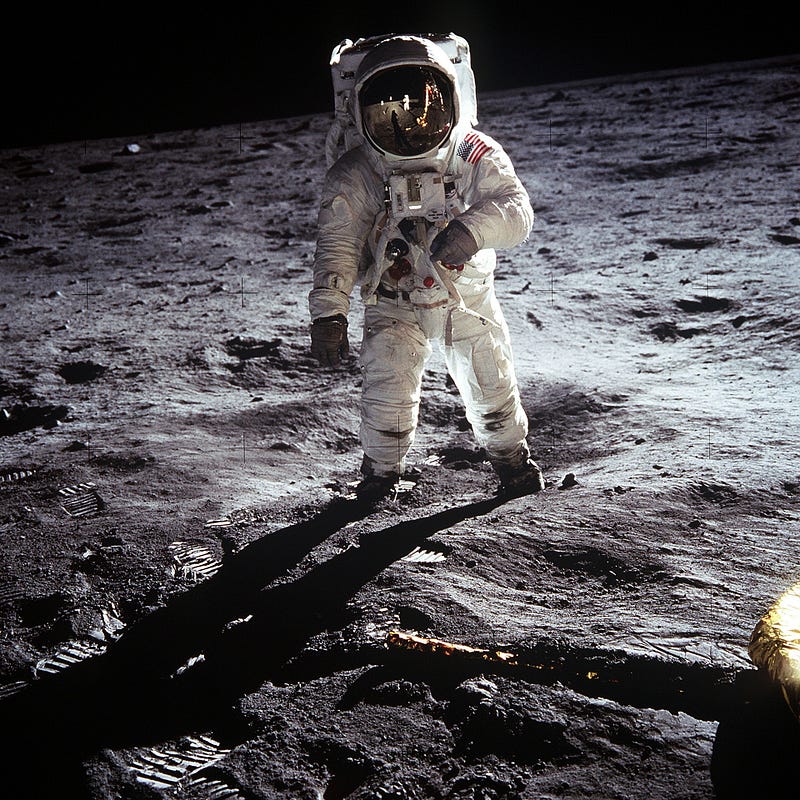
Image by WikiImages from Pixabay

On July 20, 1969 — only 19 minutes after the Apollo 11 Commander Neil Armstrong — Buzz Aldrin put his feet on the Moon’s surface to become the second human to walk on the Moon.

Being overwhelmed by the experience, he described it as ‘magnificent desolation.’ (Later, in May 2009, he published his autobiography of the same name.)

After returning to Earth on July 24, 1969, Aldrin became a bona fide American hero. He had a rockstar-style world tour with two other astronauts, Neil Armstrong and Michael Collins. He traveled the world and had dinners with the world’s most influential leaders.

He became a Nasa PR spokesman. Lots of appreciation, invitations, interviews, and talks made Aldrin overwhelmed. However, it was not what he wanted.

In his own words, — “When we got back from the Moon, none of us was prepared for the adulation that followed. We were engineers, scientists, fighter pilots being feted like movie stars, and it was all too much for most of us — certainly for me.”
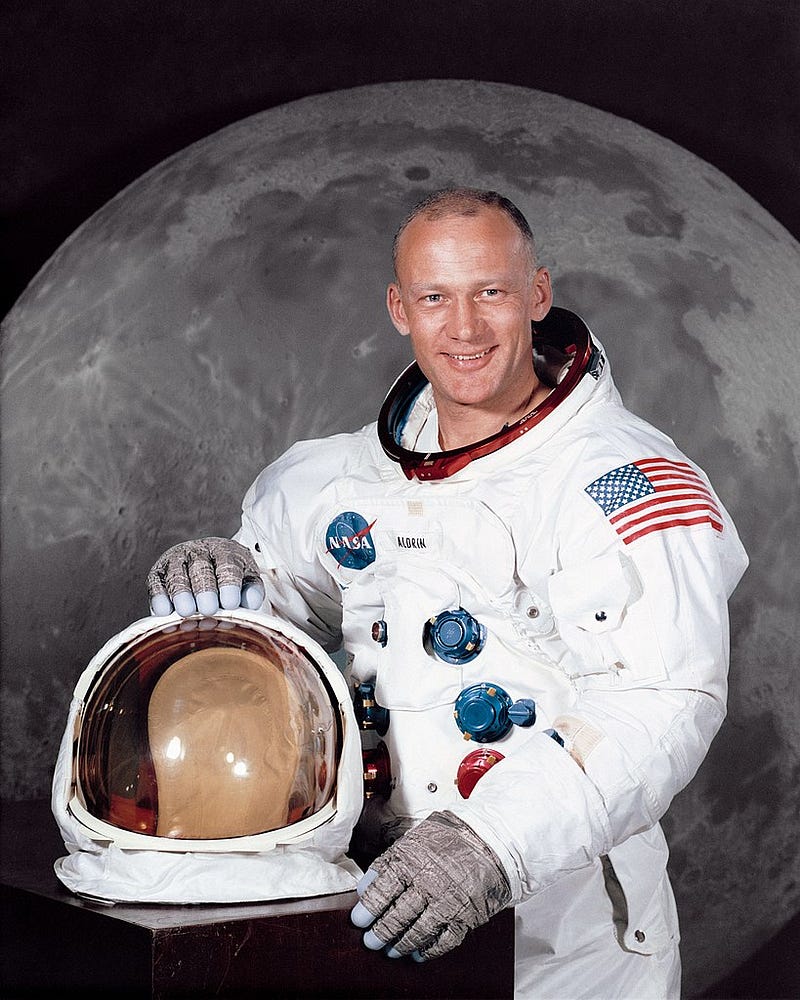
Buzz Aldrin. Image Source: Wikimedia Commons

Aldrin became exhausted with all the publicity and fame within a few months. He realized that there were no greater goals to achieve than what he already did.

Soon he started to struggle with the symptoms of depression. He became aimless with no purpose in life.

In 1970, Aldrin joined the insurance company Mutual of Omaha as one of the board of directors. But after years of serving the Air Force and NASA, this work seemed meaningless and unfulfilling to him.

He had no enthusiasm for work or anything. He would drink and lie down in the bed for hours. Depression was killing his life.

“I wanted to resume my duties, but there were no duties to resume,” Aldrin wrote in his autobiography, Magnificent Desolation. “There was no goal, no sense of calling, no project worth pouring myself into.”

Being aimless and depressed, Aldrin started finding comfort in another woman than his wife. His married life with Joan started losing its charm, and he was standing on the brink of self-destruction.

In 1971, Aldrin took a new job as commandant of the test pilot school at Edwards Air Force Base in California though he had no test pilot experience.

This time, he developed back and neck pain and his two-year-long depression. When he confided that to his base flight surgeon, he referred him to another doctor at Brooks Medical Center in San Antonio, Texas.

Aldrin finally decided to speak up about his depression and aimlessness to the doctor. He also mentioned the history of mental issues in his family, including the suicides of his mother and grandfather.

It was a life-changing decision for Aldrin. After speaking up, he was feeling better.

On February 27, 1972, a few days before formally retiring from the Air Force, Aldrin went public about his depression through an L. A. Times article titled Troubled Odyssey — ‘Buzz’ Aldrin’s Saga: Tough Role for Hero. Wayne Warga wrote it.

Wayne began the article with a quote from Carl Jung that read, —

“Space flights are merely an escape, a fleeing away from oneself, because it is easier to go to Mars or to the moon than it is to penetrate one’s own being.”

Recalling that article, Aldrin later wrote in his book Magnificent Desolation, “I could bear witness to that. Dealing with the pressure several times with the force of gravity pushing at my chest at liftoff, and keeping cool under the stress of landing on the Moon with only a few gasps of fuel remaining in the tanks was relatively easy compared to overcoming the enormous pressures and stresses that were unraveling my life.”

He further added, “To beat depression I had to look deep into myself, and much of what I saw there was laudable, the dark areas were equally as forbidding.”

Aldrin’s first autobiography, Return to Earth, got published in 1973 only to make his life more complex.

The book included his recollection of marital infidelities that jeopardized his relationship with his wife, Joan. Finally, it ended in divorce in 1974, shortly after his father’s death. Not only that, Aldrin was forced to quit Mutual of Omaha.

But he continued to speak about his personal experiences with depression in public and eventually became the national chairman of the National Association for Mental Health (NAMH).

There was another terrible problem eating Aldrin alive in secret; his alcohol addiction was going out of control. His way out of depression and alcoholism was never an easy one.

In 1975, his new girlfriend, Beverly, forced him to get proper treatment. He was hospitalized for four weeks to take treatment and therapy for depression. Later, on December 31, 1975, Aldrin married Beverly.

But, Aldrin’s addiction to alcohol didn’t end there. Time and again, he got derailed and spiraled into alcoholism. At one point, he got involved with Alcoholics Anonymous (AA) for support.

By the end of 1978, Aldrin got his second divorce. His relationship with Beverly ended.

Life became hell for him. Relationships were falling apart. Drinking habits and depression were giving him nightmares. But to make the situation worse, he did something very shameful for a man of his position.

Buzz Aldrin — the Lunar Module Pilot of Apollo 11, the second human to walk on the Moon — was arrested for being drunk and smashing in the door of his girlfriend’s apartment.

Can you believe it?

This is what addiction can do to a man! It takes away all the glory and leaves you with only shame and stupidity.

Anyway, disgusted with himself and hitting rock bottom, Aldrin finally gave up drinking alcohol for good in October 1978.

Coming out of depression and alcoholism, Aldrin rediscovered his purpose in life. Since then, he has continued advocating space exploration, especially a human mission to Mars.

In 2015, Aldrin, teaming up with the Florida Institute of Technology, presented a master plan to NASA about Mars Colonisation before 2040.

But above everything — all the moon landing, publicity, and fame — what I find fascinating about Aldrin’s life is that no one is too big to seek help for mental health issues and addiction.

I think that’s a great lesson for us.

We all should take care of ourselves and seek professional help when needed. Because nothing — not even landing on the Moon — is more important than having a healthy and happy life.

Sources: NASA, National Geographic, The Guardian, ABC News, Biography.com, Wikipedia.

New to Medium?? Unlock thousands of AWESOME stories only for $5/mo. and OUTSHINE others — Click Me.

If you want to read more of my writings, do check out the following articles.

  1. Why Elon Musk Fired His Long-Term Assistant Who Asked for A Raise
  2. Five Subtle Signs That You Are Destroying Your Life
  3. Why This Man Killed Himself Within Just 2 Years of Winning $31 Million
  4. The Sky Fell Down on My Shoulder When My Friend Begged Me to Send Him My Used Underwear
Buzz Aldrin
Addiction
Alcoholism
Mental Health
Moon Landing
Recommended from ReadMedium